

Discover Yecla Wine Route and Murcias Hidden Wine Heritage

The Yecla Wine Route turns that geography into an experience. It is not only a trail of wineries and vineyards. It is a way to understand the town through its cellars, old wine presses, local festivals, natural spaces, monuments, and food. The best part is its flexibility. Visitors can join a guided itinerary or build an à la carte route around their own pace, interests, and appetite.
Yecla sits in a place that feels made for wine: high, dry, open, and shaped by two worlds. To one side are the Levantine mountain ranges. To the other, the broad sweep of the La Mancha plateau. This municipality in the far north-east of the Region of Murcia, close to the Valencian Community, has long been a crossroads of climate, culture, trade, and taste.
For travellers who know Murcia mostly for its coast, Yecla offers a different story. This is inland Murcia, quieter and earthier, where wine culture links the landscape to daily life.

Where Yecla is and why its setting matters
Yecla belongs to the Altiplano, a raised inland area in the Region of Murcia. Its position helps explain much of its character. It lies between the Mediterranean influence of the Levant and the more continental feel of La Mancha. Summers are hot and dry. Winters can be cold. Rain is limited. The land asks vines to work hard.
That makes Yecla a natural place for concentrated, expressive wines. The area is closely associated with Monastrell, a grape that thrives in warm, dry conditions and produces wines with depth, fruit, spice, and structure. Wine lovers may already know Yecla as a Denominación de Origen, one of Spain’s recognised wine appellations. Yet the place behind the label is still less crowded than many better-known Spanish wine regions.
This gives Yecla a particular charm. It feels accessible and authentic without being staged. The vineyards are part of the working landscape, not just a backdrop for photographs. Wineries range from traditional spaces with a strong link to local history to modern facilities designed for careful production and welcoming tastings.
A visit here also offers contrast. In a single day, it is possible to move from rows of vines to historic streets, from a winery tasting room to a natural area of striking rock formations, from quiet rural roads to a lively local festival if the timing is right.
The Yecla Wine Route is more than a winery trail
A good wine route should do more than pour a glass. It should explain the place that made the wine possible. Yecla does this well because its wine culture sits alongside heritage, food, nature, and local ways of life.

The route brings together experiences such as:
Visits to vineyards and wineries
Tastings led by producers or guides
Walks through historic quarters and monuments
Stops at old wine presses and traditional production spaces
Meals built around local products
Excursions to nearby natural areas
Cultural visits linked to festivals and traditions
This mix makes the route suitable for different kinds of travellers. Some may want a focused wine weekend with several tastings and cellar visits. Others may prefer a slower stay, with one winery, a lunch, a walk, and time in the town. Families, couples, small groups, and independent travellers can all shape the trip in a different way.
The à la carte element matters. Not everyone wants a full-day guided tour. Not everyone wants to drive between rural wineries. Yecla allows both options. A pre-set guided visit can remove the planning and give useful context. A self-designed itinerary allows more freedom, especially for those who want to combine wine with cultural stops or time outdoors.
What to expect from the wineries
The wineries are the heart of the route. Some have deep local roots, while others show the more modern face of Yecla’s wine scene. Across them, the common thread is the relationship between vine, climate, and soil.
A typical visit may include a walk through the vineyard, an explanation of the grape varieties, a look inside the cellar, and a tasting. Some wineries may also show barrel rooms, bottling areas, or older tools used in the region’s wine production. The best visits do not rush. They let the wine make sense through the land around it.
Expect Monastrell to appear often, but not always in the same form. In Yecla, it can be used for young, fruit-forward reds, more structured wines aged in oak, and blends with other varieties. Tastings may also include whites or rosés depending on the producer.
For visitors who are newer to wine, the route is a gentle way to learn. You do not need technical language to enjoy it. A few simple questions will take you far:
What grape is this wine made from?
What does the climate contribute to the flavour?
Is this wine made to drink young or to age?
What local food would pair well with it?
How does this vintage differ from others?
Wine tourism works best when it stays curious rather than formal. Yecla’s appeal is that many experiences feel grounded and human. You are not only tasting a product. You are meeting the place behind it.
Old wine presses and the memory of rural work
One of the most rewarding parts of the route is the chance to see older wine-making spaces and tools. Old wine presses connect present-day tastings with the labour of previous generations. They remind visitors that wine was not always polished tasting rooms and labelled bottles. It was harvest, pressing, storing, sharing, and selling.

These traditional spaces help explain how wine became part of the area’s identity. Families, cooperatives, small growers, and local workers all played a part in building the culture that visitors encounter today. Even when modern wineries use advanced equipment, that older memory remains close.
For travellers, this adds texture. A modern cellar shows precision. An old press shows continuity. Seeing both in one trip makes the route richer.
Monuments, streets, and cultural stops in Yecla
Yecla’s wine route also points back into the town itself. The municipality has a cultural side worth giving time to, especially if the visit lasts more than a few hours.

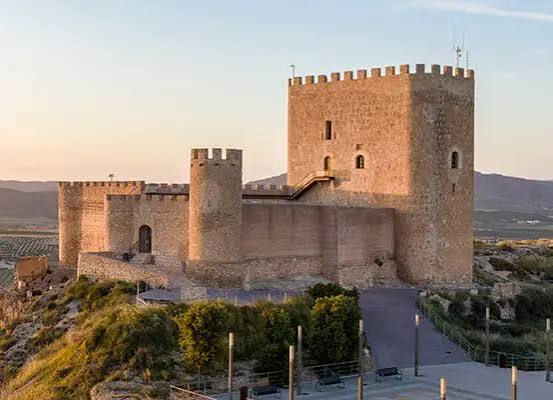
The old streets reveal a town shaped by different periods and influences. Churches, squares, viewpoints, and civic buildings give Yecla a sense of lived history. The Basilica of La Purísima is one of its most recognisable religious landmarks, while the hilltop sanctuary area linked to the castle offers broad views and a strong sense of place.
Museums and heritage spaces can also help visitors understand Yecla beyond wine. The town has archaeological interest, traditional crafts, and a long-standing connection with furniture making. These details matter because they prevent the visit from becoming one-dimensional. Yecla is not only a wine stop. It is a municipality with its own rhythm and identity.
A simple town-based itinerary might include a morning walk, a visit to a monument, lunch in a local restaurant, and an afternoon winery tasting. That balance keeps the day varied and avoids the common mistake of booking too many tastings too close together.
Nature adds another reason to stay longer
Yecla’s setting is not just useful for vines. It also gives visitors access to distinctive natural spaces. The surrounding area has open countryside, dryland scenery, hills, and walking routes that suit a slower style of travel.
Monte Arabí is one of the best-known natural landmarks near Yecla. It is valued for its unusual rock formations, open views, and archaeological interest, including rock art in the wider area. For anyone who enjoys landscapes with a sense of age and silence, it makes a memorable contrast to the cellar and tasting room.

Nature stops work especially well in the cooler parts of the day. A morning walk followed by a winery visit can make an ideal pairing. So can a late afternoon viewpoint before dinner in town. In summer, the inland heat can be strong, so planning around shade, water, and timing is sensible.
The countryside also changes the way the wine tastes. After seeing the dryness, the stony soils, and the wide skies, the structure of the local reds feels less abstract. The glass begins to reflect the terrain.
Festivals and traditions bring the route to life
Wine routes are often best when they connect with local celebrations. Yecla has festivals and traditions throughout the year, and they can add colour and context to a visit.
The town is known for religious, agricultural, and popular festivities. These events may involve music, processions, traditional dress, decorated floats, local food, and community gatherings. For visitors, they offer a chance to see Yecla as a living place rather than a curated travel product.
Timing a trip around a festival can be rewarding, but it also calls for planning. Accommodation may be busier, restaurant hours may change, and some visits may need booking further ahead. If the aim is a quiet wine weekend, a non-festival date may suit better. If the aim is culture, energy, and tradition, festival periods can be a highlight.
The key is to decide what kind of experience you want before choosing dates.
How to design your own à la carte route
The flexibility of the Yecla Wine Route is one of its strengths. A guided tour can be a good choice, especially for first-time visitors or groups. It provides structure, local knowledge, and less stress around timing. A self-guided plan works well for independent travellers who like to linger.
A balanced one-day visit could look like this:
Start in Yecla town
Walk through the historic centre and visit one or two key monuments.
Book one winery visit
Choose a producer that offers a tasting and, if possible, a vineyard or cellar tour.
Plan a local lunch
Pair regional dishes with Yecla wines, but keep the afternoon pace realistic.
Add a nature stop
Visit a viewpoint or nearby natural area if the weather and timing allow.
Leave space
Wine travel is better with pauses. Rushing between visits weakens the experience.
For a weekend, add a second winery, more time in the countryside, and a deeper cultural visit. The extra night makes the route feel less like a checklist and more like a proper escape.
If driving, agree on a designated driver or arrange transport where possible. Tastings are part of the experience, but safety should shape the plan. Booking ahead is also wise, especially outside peak tourist areas where visits may depend on staff availability.
What to eat with Yecla wines
The food side of the route depends on the season and the restaurant, but inland Murcia tends to reward people who enjoy hearty, honest cooking. Think rice dishes, grilled meats, stews, cured products, cheeses, vegetables, and olive oil. These flavours sit well with Monastrell-based reds, especially wines with ripe fruit and savoury notes.
A useful approach is to ask locally. Producers and restaurant staff often know the pairings that work best. A young red may suit casual tapas or grilled vegetables. A fuller wine may call for richer meat dishes or mature cheese. Rosé or white wines can be refreshing with lighter plates, depending on what the winery makes.
Food also slows the trip down in the right way. A wine route should not be a sequence of tastings on an empty stomach. It should be a full encounter with the region.
Practical tips before you go
Yecla is inland, so travel planning matters more than it might on the coast. Public transport options may be limited compared with larger cities, and wineries can sit outside the town centre. A car gives flexibility, though guided tours or arranged transport can make the visit easier and safer.
Keep these points in mind:
Book winery visits in advance
Many wineries welcome visitors by appointment rather than casual drop-in.
Check opening times for monuments and museums
Smaller destinations may have seasonal or limited hours.
Plan around the weather
Summers can be hot, while winter mornings and evenings may feel cold.
Wear comfortable shoes
Historic streets, vineyard ground, and natural areas all call for practical footwear.
Leave room in your luggage
If you enjoy the wines, buying directly from a winery is part of the pleasure.
Yecla suits travellers who like places with substance. It does not need to shout. Its appeal builds through the day: a dry hillside, a cool cellar, a glass of Monastrell, a historic street, a local dish, a wide view over the Altiplano.
Why Yecla deserves more attention
Spain has many famous wine regions, and some come with global reputations. Yecla offers something different. It is compact, distinctive, and still closely tied to its local identity. The wine is the guide, but the destination is broader than the bottle.
The route works because it brings together what travellers often seek but do not always find in one place: authenticity, flexibility, culture, nature, and a clear sense of where the wine comes from. It can be a short inland detour, a weekend plan, or part of a wider journey through Murcia and south-eastern Spain.
Discover Yecla Wine Route and Murcias Hidden Wine Heritage by giving the municipality enough time to speak for itself. Start with the vineyards, but do not stop there. Walk the town, taste slowly, look towards the mountains, and let this quiet corner of inland Murcia reveal why its wine culture has lasted.


Comments