
_edited.png)
What Is Slow Beauty and Why It Matters

Beauty has become very good at creating urgency. A new serum trends overnight, a “must-have” tool sells out, and a skin routine can start to feel like a race you did not mean to enter. Slow beauty offers a calmer way to think about care, one built on attention, consistency, and respect for the world beyond the bathroom shelf.
Slow beauty is a holistic beauty and lifestyle philosophy that favours sustainable, mindful, long-term self-care over quick fixes and constant consumption. The idea was founded by wellness advocate Shel Pink in 2009, and it shares roots with the slow food and slow fashion movements. All three ask the same question in different ways: what happens when we stop treating speed as the main measure of value?
In beauty, the answer can be surprisingly practical. A slower approach can mean buying fewer products, using them properly, learning what your skin actually needs, and turning daily care into a moment of steadiness rather than another task to tick off.
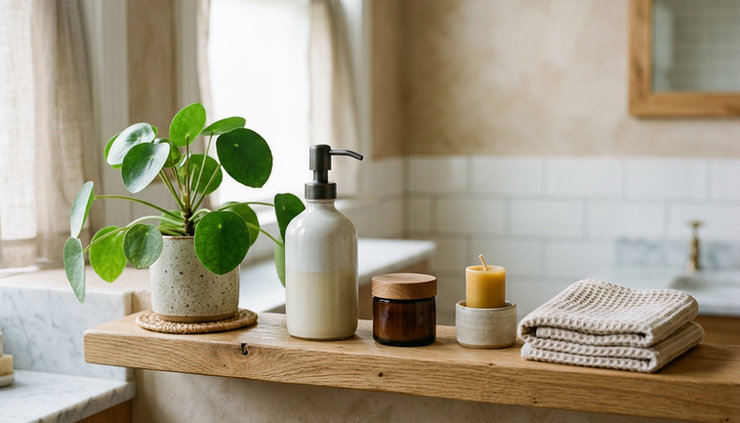
Slow beauty is a philosophy, not a product category
Slow beauty is often mistaken for “natural beauty” or “clean beauty”, but it is broader than either label. It can include plant-based formulas, low-waste packaging, facial massage, baths, breathwork, or simple routines. Yet none of those things define it on their own.
At its heart, slow beauty asks for a different relationship with beauty. Instead of chasing instant transformation, it looks at skin, body, mood, sleep, stress, habits, and the environment as connected parts of the same picture.
That does not mean rejecting modern skincare or science-led formulas. A slow routine can include a dermatologist-recommended cleanser, a well-formulated retinoid, or a high-protection sunscreen. The difference lies in how products are chosen and used. Slow beauty favours:
Consistency over novelty
Prevention over panic
Enough over excess
Ritual over rush
Care over correction
It also moves beauty away from the idea that every visible sign of life needs to be fixed. Texture, lines, pores, pigmentation, dryness, oiliness, and sensitivity are not moral failures. Some may need support, especially if they cause discomfort, but the aim is not to treat skin as an endless project.
A slow beauty mindset makes space for maintenance, pleasure, and patience. That patience matters because skin changes gradually. Barrier repair, hydration, reduced irritation, and improved resilience tend to come from repeated, gentle care rather than a crowded routine filled with aggressive products.
The three pillars of slow beauty
Slow beauty rests on three broad pillars. They are simple, but they can change the way a routine feels and the way a beauty cabinet looks.
Mindfulness turns beauty chores into rituals
Many beauty routines happen on autopilot. Cleanse while thinking about tomorrow. Apply moisturiser while half-looking at a phone. Rush through a shower because the day is already waiting.
Slow beauty does not require a spa-like bathroom or an hour to spare. It asks for attention. That might mean warming cleanser between the hands before applying it. It might mean taking 30 extra seconds to massage the jaw after a long day. It might mean noticing how a product feels, smells, absorbs, and affects the skin over time.
A ritual is different from a chore because it has presence. The action may be the same, but the experience changes.
Small examples include:
Cleansing slowly at night to mark the end of the day
Applying body oil after a warm shower while skin is still damp
Using facial massage as a way to release tension, not to sculpt or “fix”
Taking a quiet bath without turning it into content
Choosing one weekly care moment, such as a hair mask or foot soak
These rituals do not have to be elaborate. In fact, the best ones are often repeatable. A five-minute routine done with attention can support wellbeing more than a complicated ritual that only happens once.

Quality over quantity leads to skin minimalism
Slow beauty pairs naturally with skin minimalism. This does not mean owning only one product or ignoring real skin needs. It means choosing fewer, better-suited products and giving them enough time to work.
A crowded routine can cause problems. Too many active ingredients can irritate the skin barrier. Too many new products at once make it hard to know what helps and what harms. Too many trends can lead to waste, both financial and environmental.
A slow routine usually starts with the basics:
A gentle cleanser, if cleansing is needed
A moisturiser that supports the skin barrier
Sunscreen during the day
One or two targeted products, used for a clear reason
The targeted step might be a retinoid, vitamin C, azelaic acid, an exfoliant, or a calming serum. The key is intention. Each product should have a purpose. If it does not, it may simply be taking up space.
Quality also includes texture, tolerance, packaging, values, and how well a product fits real life. The most impressive formula will not help much if it is unpleasant to use. The most beautiful face oil may not suit skin that breaks out easily. The best routine is one that can be repeated without stress.
Slow beauty also encourages finishing products before replacing them, using the correct amount, and resisting the urge to buy duplicates because something new appears more exciting. There is quiet satisfaction in knowing what works and staying with it.
Deep eco-consciousness connects beauty to the planet
Beauty does not stop at the mirror. Every product has a life before and after use. Ingredients are grown, mined, synthesised, processed, shipped, packaged, sold, washed away, and discarded. Slow beauty brings that full cycle into view.
Eco-conscious beauty is not about perfection. It is about making better choices where possible and understanding trade-offs. Glass packaging may be recyclable, but heavier to transport. Refill systems can reduce waste, but only if they are actually used. Natural ingredients can still have environmental impacts if they are overharvested or farmed poorly.
A slow beauty approach looks for signs of responsibility, such as:
Refillable or recyclable packaging that suits local systems
Concentrated formulas that last longer
Products made by brands that share sourcing information
Fewer single-use items
Multipurpose products that reduce overall consumption
Buying only what will be used
For people in the UK, it also helps to think about local recycling rules, since kerbside systems vary by council. A pump, cap, mirror, or mixed-material component may not be accepted even when the outer bottle is. Slow beauty makes room for this kind of practical awareness without turning every purchase into a guilt spiral.
The point is to consume less casually. A shelf of “eco” products bought in excess still creates waste. The greenest product is often the one already owned and used fully.

Why slow beauty matters now
The beauty industry moves quickly because novelty sells. Newness can be fun, and there is nothing wrong with enjoying beauty. The problem begins when consumption replaces care.
Slow beauty matters because it pushes back against three pressures that have become normal.
The first is the pressure to fix. Many products are marketed around insecurity, even when the language sounds positive. Pores must be blurred. Age must be hidden. Skin must glow at all times. Slow beauty does not deny that people may want change, but it encourages a healthier starting point. Care can come from respect rather than self-criticism.
The second is the pressure to buy. Beauty hauls, limited editions, seasonal launches, and algorithm-led trends can make restraint feel almost old-fashioned. Yet buying more rarely creates a more effective routine. It often creates clutter and confusion. Slow beauty brings attention back to use, not acquisition.
The third is the pressure to hurry. Many cosmetic promises are built around speed: overnight results, instant lift, fast glow, quick repair. Some products do offer immediate effects, such as hydration or a smoother finish. Deeper changes usually take time. Slow beauty aligns expectations with how skin and habits actually work.
It also supports emotional wellbeing. A calm routine can become a daily pause. Touch, scent, warm water, and rhythm can help signal safety and rest. This is not a medical treatment, and anyone with persistent skin issues, pain, or distress should seek advice from a qualified professional. Still, daily care can be a meaningful part of a steadier life.
How to practise slow beauty without overhauling everything
Slow beauty works best when it feels doable. There is no need to throw everything away or replace a whole routine with handmade products. That would be wasteful and expensive.
Start by taking stock. Put current skincare, haircare, body care, and make-up in one place. Check what is used often, what is nearly empty, what has expired, and what never suited you. This simple step can reveal buying patterns.
Next, choose a slower rhythm. Finish open products before buying replacements. Introduce only one new product at a time. Give skincare several weeks, when safe and sensible, before judging results. Patch test products that may irritate, especially actives or fragranced items.
A basic slow beauty reset could look like this:
Keep the morning routine short
Cleanse only if needed
Use moisturiser when skin feels dry or tight
Wear sunscreen during daylight exposure
Save active treatments for specific concerns
Build one evening ritual that feels calming
Keep a small “use first” basket for products already open
Hair and body care can follow the same logic. Choose a shampoo that suits the scalp, not the trend. Use body lotion regularly instead of buying several that sit untouched. Care for nails with oil and gentle filing rather than constant removal and reapplication of harsh products.
Make-up can be slow too. A smaller collection of colours and textures that are genuinely loved often serves better than a drawer of impulse buys. Slow beauty does not demand bare skin. It invites more intention into whatever form beauty takes.
What slow beauty is not
Slow beauty can sound expensive, precious, or strict when misunderstood. It should be none of those things.
It is not a demand to buy luxury products. A simple, affordable moisturiser that works well can be more aligned with slow beauty than a costly cream bought for status. Price does not guarantee quality or ethics.
It is not a rejection of make-up, treatments, or personal style. Someone can enjoy lipstick, hair colour, fragrance, facials, or cosmetic procedures and still think carefully about consumption, care, and motivation.
It is not a purity contest. Nobody can shop or live with zero impact. Slow beauty is a direction, not a badge.
It is also not anti-ageing in disguise. The healthiest version of this philosophy respects ageing as part of life while still allowing people to care for their skin. Sunscreen, hydration, sleep, and gentle routines can all support skin without framing age as a flaw.
A slower routine can still feel beautiful
Slow beauty has a quiet kind of confidence. It does not shout for attention or promise a new face by Friday. It asks better questions.
What does this product do? Will it be used? Does it suit the skin? Was it made with care? Can the routine feel peaceful rather than pressured? Is this purchase meeting a need, or just answering a moment of boredom?
Those questions can lead to fewer products, less waste, and a stronger sense of ease. They can also make beauty more enjoyable. When the shelf is simpler, the ritual becomes clearer. When expectations are kinder, the mirror becomes less hostile. When care extends to the planet, daily choices carry more meaning.

Slow beauty matters because it brings beauty back to scale. It turns self-care into something steady, sustainable, and personal. The next step is simple: choose one part of the routine to slow down this week, and notice what changes when care is given time.


Comments