
_edited.png)

Eastern Africa Travel Guide
Captivates with its untamed beauty, iconic national parks, and a deep connection between nature and tradition.
Experience adventure with elegance in Eastern Africa. Enjoy private safaris, dawn balloon rides over the Masai, and serene retreats by the turquoise Indian Ocean, where every moment blends wildness and refinement.

Browse by Eastern African Country


Best time to visit Eastern Africa
The best times for wildlife viewing in East Africa are during the dry seasons (June to October and December to March when animals gather near water, especially for the Great Migration (July to October).
The "green season" (April-May) features lush scenery and fewer crowds at lower prices, while shoulder months (November, early/December) offer good weather with fewer tourists.
**Dry Season (June - October):** Ideal for wildlife viewing and the Great Migration, but comes with higher prices and more visitors.
** Dry Season (January - February):** Great for game viewing and predator action, but still a high season. **Green/Rainy Season (April - May):** Offers vibrant landscapes and fewer tourists at lower costs, although heavy rains can disrupt travel. **Shoulder Seasons ( & Early December):** Balanced weather with fewer crowds and often lower costs, but transitional weather may occur.
**Specific Activities:** The Great Migration is from mid-June to October. For Gorilla Trekking in Uganda/Rwanda, dry seasons (June-Sept, Dec-Feb) are best, while rain offers discounted permits
In Summary:
For the quintessential safari with the migration, aim for June-October. For budget-friendly, green scenery, try April-May. For a balance, consider the shoulder months or early year.
Getting There
To get to East Africa, most travellers arrive by air into major hubs like Nairobi, Kenya, or Addis Ababa, Ethiopia, with extensive connections from Europe, the Middle East, and other parts of Africa. Alternative entry methods include road and water travel, but these are less common for international visitors.
By Air
Flying is the primary and most efficient way to reach East Africa.
Major Airports & Hubs:
-
Kenya: Jomo Kenyatta International Airport (NBO) in Nairobi is the region's busiest hub.
-
Tanzania: Julius Nyerere International Airport (DAR) in Dar es Salaam, Kilimanjaro International Airport (JRO), and Zanzibar Abeid Amani Karume International Airport (ZNZ) are key entry points.
-
Uganda: Entebbe International Airport (EBB) serves the capital Kampala area.
-
Rwanda: Kigali International Airport (KGL) is a growing regional hub.
-
Ethiopia: Addis Ababa Bole International Airport (ADD) is a major continental gateway and the primary hub for Ethiopian Airlines.
Airlines & Routes:
Major international airlines like British Airways, KLM, Air France, Lufthansa, Emirates, Qatar Airways, and Turkish Airlines offer frequent flights to these hubs.
-
From North America: Direct flights are limited, but Kenya Airways offers a direct flight from New York (JFK) to Nairobi a few times a week. Connections typically go through Europe or the Middle East.
-
From Europe: Direct daily flights are available from cities like London (British Airways), Amsterdam (KLM), Paris (Air France), and Frankfurt (Lufthansa) to Nairobi.
-
From the Middle East/Asia: Airlines like Emirates (via Dubai), Qatar Airways (via Doha), and Ethiopian Airlines (via Addis Ababa) offer extensive connections from the Middle East and Asia.
By Road and Sea
-
Road: A network of bus services connects East African capitals and major cities. It is also possible to drive private cars across borders for short periods if you have the necessary permits. However, this can involve a lot of hassle and is often part of an organised overland tour.
-
Water: Entry by water is possible, but generally limited to cargo ships or private vessels arriving at ports like Mombasa or Dar es Salaam.
Search Here for Flights toEastern Africa
Getting Around in Eastern Africa
Getting around East Africa involves a mix of domestic flights for speed, buses/matatus for budget travel, and ride-hailing apps (Uber/Bolt) or private taxis for city convenience, while safari tours often use dedicated 4x4s; roads are key but can be rough, and motorbike taxis (boda-bodas) are great for short hops but demand caution.
By Air (Most Efficient for Long Distances)
-
Hubs: Major airports in Nairobi (Kenya), Kilimanjaro (Tanzania), and Entebbe (Uganda) connect globally and regionally.
-
Domestic Flights: Essential for saving time between destinations like cities or national parks.
By Road (The Backbone of Transport)
-
Buses & Matatus: Minibuses (matatus/dala-dalas) are common for short hops, while larger coaches handle longer routes; budget-friendly but can be chaotic.
-
Taxis & Ride-Sharing: Apps like Uber, Bolt, and local alternatives (InDrive) offer convenience in cities; negotiate fares with traditional taxis beforehand.
-
Motorbike Taxis (Boda-Bodas) & Tuk-Tuks: Popular for quick city travel; be cautious as drivers can be fast.
-
Self-Drive: Offers freedom but requires caution with road conditions, local driving styles, and potential police stops (carry license/passport).
Other Options
-
Trains: Limited routes, but scenic options exist (e.g., Nairobi to Mombasa).
-
Organized Tours: Safari operators provide vehicles (often 4x4s) for park exploration, combining transport with guiding.
Things to see and do in Eastern Africa
Eastern Africa offers a diverse range of experiences, from world-renowned wildlife safaris to stunning beaches and rich cultural heritage sites.
Wildlife Safaris & Primate Trekking
-
Witness the Great Migration in the Serengeti National Park (Tanzania) and Maasai Mara National Reserve (Kenya). This annual spectacle involves millions of wildebeest and zebra crossing the plains and the crocodile-infested Mara River in search of greener pastures.
-
Track Mountain Gorillas in the misty forests of the Bwindi Impenetrable National Park (Uganda) or Volcanoes National Park (Rwanda). This is a once-in-a-lifetime opportunity to see these endangered creatures in their natural habitat.
-
Go Chimpanzee Trekking in Uganda's Kibale Forest National Park or Rwanda's Nyungwe Forest National Park. Kibale Forest is known for its high concentration of chimpanzees and offers both short treks and full-day habituation experiences.
-
See the "Big Five" (lion, elephant, buffalo, leopard, and rhinoceros) in parks like Amboseli National Park in Kenya, famous for large elephant herds with Mount Kilimanjaro as a backdrop, or the unique ecosystem of the Ngorongoro Crater in Tanzania.
Hiking & Mountain Adventures
-
Climb Mount Kilimanjaro, Africa's highest peak (5,895 meters), in Tanzania. Various routes like Marangu, Machame, or the quieter Rongai offer different levels of difficulty and scenery, from rainforests to alpine deserts.
-
Trek the Rwenzori Mountains (Mountains of the Moon), on the Uganda-Congo border, known for their unique flora and fauna and challenging trails.
-
Hike Mount Kenya, Africa's second-highest peak, offering excellent trekking and technical climbing opportunities.
Beaches & Coastal Experiences
-
Unwind on the Beaches of Zanzibar, a semi-autonomous Tanzanian archipelago. Explore the historic Stone Town with its rich Swahili, Arab, and European architectural influences, or enjoy water sports like snorkeling, diving, and kite surfing in the crystal-clear waters.
-
Relax on Kenya's Coast, visiting vibrant cities like Mombasa to see the historic Fort Jesus or the tranquil Lamu Island, a UNESCO World Heritage site known for its unique Swahili architecture.
Cultural & Historical Immersion
-
Experience Maasai Culture through community visits in the Maasai Mara or Serengeti regions to learn about their rich traditions and nomadic lifestyle.
-
Visit the Kigali Genocide Memorial in Rwanda's capital, Kigali, for a poignant and important look into the country's history and path to reconciliation.
-
Explore Ancient Ruins like the Gedi Ruins near Malindi, Kenya, or the Ruins of Kilwa Kisiwani, a former trading hub on the Tanzanian coast, for insight into the region's historical trade networks.
-
Discover the Source of the Nile in Jinja, Uganda, an excellent spot for adventure activities such as white-water rafting.
What To Pack For An African Safari.
These guides are informative and helpful for anyone who is planning on going on safari through any of the wonderful Tanzania destinations this country has to offer.
In short, I would advise bringing the following items:
-
A selection of casual but comfortable clothing for game drives and relaxing back at camp.
-
Remember to bring personal toiletries and hygiene items as there is nowhere to buy them throughout the remote regions on safari.
-
A camera to capture those all-encompassing moments.
-
Insect repellent.
-
medication for sickness (check with your doctor which to take)
-
A portable phone charger, as well as an electricity outlets are seldom on safari.
-
Lastly - A first aid kit, blanket if you get cold, sunscreen and hat, sanitizer and plug adaptors are all ideal things to pack for a Tanzania safari.
Key Tips
-
Cash: Always carry local currency (shillings) for small fares.
-
Safety: Be vigilant in crowds, secure belongings, and be cautious at night.
-
Local Culture: Learn basic Swahili phrases; dress respectfully on public transport.
Entry Requirements
-
Passport: A passport valid for at least six months beyond your departure date, with at least two blank pages, is universally required.
-
Visas: Most nationalities require a visa. Many countries offer e-visas or visa-on-arrival. The East African Tourist Visa ($100 USD) is a single-entry visa valid for 90 days that allows travel between Kenya, Uganda, and Rwanda. For specific requirements and application processes, check the respective immigration websites (e.g., Kenya has an electronic travel authorisation (ETA) system).
-
Health: A Yellow Fever vaccination certificate is often required if you are travelling from a country deemed high-risk for yellow fever transmission. It is also recommended to consult a health professional regarding other vaccinations (e.g., malaria tablets) and to arrange comprehensive travel insurance that includes emergency evacuation.
-
Ensure you verify all information with the relevant embassies or official immigration websites before your trip, as requirements can change.

Kenya Travel Guide
Kenya is the original safari destination. Home of the famous Masai Mara, the country has a decades-long history as the place to see the epic annual wildebeest migration Kenya is renowned as the original safari destination, with the famous Masai Mara being a major attraction. The country has a long history as the go-to place for witnessing the annual wildebeest migration.

Capital
Nairobi
Time Zone
GMT+3
Visa
Population
40 million
Currency
Kenyan shilling KSH.Dollars are useful for tipping and payments at lodges.
Int.Dial Code
+254
Languages
English, Swahili, indigenous languages
Plug Type
240V 50HZ
Site and Scenery
When people think of Africa, Kenya often stands out as a top destination. It's no surprise that this captivating country features prominently on many travelers' bucket lists due to its diverse and enchanting landscapes. While the Masai Mara is renowned for the breathtaking wildebeest migration, Kenya has much more to offer beyond this remarkable event. To help navigate the country's major vacation spots, we can categorise them as follows:
-
- Central Kenya – Most safari itineraries in Kenya begin in Nairobi, which serves as the country's logistical hub. The areas surrounding Nairobi are home to several conservation sites, with Nairobi National Park, Lakes Nakuru and Naivasha, as well as the Aberdare Mountains, being the most popular. During the rainy season, the landscape is lush and green, while the lakes draw a diverse array of birds and wildlife.
-
- Western Kenya – The Masai Mara National Reserve is a renowned top safari destination located in western Kenya. It is famous for some of Africa's best year-round game viewing, especially during the annual Wildebeest Migration. From approximately August to November, hundreds of thousands of wildebeest and zebra gather in the region, attracting the attention of Africa's top predators. As a result, visitor numbers soar during the peak season, which runs from June to October.
-
The primary reason the Masai Mara draws the Migration is its open, flat savannah, which provides excellent grazing opportunities. The landscape is largely free of thickets, forests, or high peaks, creating a classic safari scene with vibrant green grass that turns golden as the seasons change. The plains are home to various wildlife, including reticulated and Masai giraffes, topi, and Thomson's gazelle, as well as occasional flat-topped acacia trees.
-
- Northern Kenya Experience exceptional safari adventures in locations such as Samburu National Park, Lewa Wildlife Conservancy, and Laikipia. As you travel further north, the landscape becomes drier and hillier, largely due to the reduced rainfall compared to the southwestern regions of Kenya. Despite the arid conditions, there are still fantastic safari opportunities in this area.
-
These drier environments are home to unique wildlife such as gerenuk, the Somali ostrich, and Grevy's zebra. Additionally, Lewa Wildlife Conservancy is renowned as the best place in Kenya to consistently spot rhinos. On clear days, you might even catch a glimpse of Mount Kenya and Mount Meru in the distance.
-
- Southern Kenya Kenya is home to stunning landscapes, including Africa's tallest peak, Mount Kilimanjaro, as well as beautiful beaches along the southeastern coast. Although Mount Kilimanjaro lies in Tanzania, Kenya's Amboseli National Park offers incredible views of this majestic mountain, which is the highest peak in Africa and the tallest free-standing mountain in the world. The park is located close to the border, providing excellent vantage points to witness the snow-capped summit.
-
This region of Kenya experiences more rainfall, resulting in a varied terrain that includes open savannah, wetlands, woodlands, and hills. This diverse environment supports a wide range of wildlife, from bat-eared foxes to elephants. Nearby attractions include the Chyulu Hills and both Tsavo East and West National Parks.
-
Further south, you'll find some of Kenya's best beaches. Diani and the nearby Galu Beach are perfect for top beach lodges and exciting water sports such as kitesurfing. For those looking to explore underwater, Funzi Island offers fantastic snorkelling and diving opportunities.

Getting around
Kenya boasts a robust network of internal flights, ideal for travellers with limited time and those looking to reach remote lodges in the bush via small, sometimes wildlife-populated airstrips.
-
Jomo Kenyatta International Airport, located 13 km (8 miles) from Nairobi, serves as the primary flight hub for East Africa. It provides access to popular destinations such as the Maasai Mara, Amboseli, Mombasa, Kenya's beaches, Zanzibar, and Tanzania. The airport also offers excellent connections to Rwanda and the Seychelles.
-
Wilson Airport, approximately 90 minutes by road from Jomo Kenyatta, is the central point for most of Kenya's domestic flights and serves various fly-in safari locations. Make sure to allocate enough time for transfers between the international and domestic terminals at both airports.
-
Moi Mombasa International Airport, situated about 10 km (6.2 miles) northwest of Mombasa, acts as the entry point to the Kenyan coast.
-
Chartered flights are an efficient way to travel around Kenya while avoiding the often rough roads; transfers from airstrips to lodges are typically conducted in 4x4 vehicles. lodges are typically conducted in 4x4 vehicles.
-
Road transfers between airports and major destinations typically use minibuses, which are also employed for scheduled safaris to popular locations as the Masai Mara. These minibuses have sliding windows and pop-up roofs, providing excellent opportunities for game viewing. For safaris to more remote areas and private conservancies, open-sided 4x4 vehicles are used.
-
Renting a car can be costly, and a 4WD is often necessary for many regions. Be cautious, as some rental companies include a hefty excess in their agreements, which can be concerning in a country where carjackings can occur. It's wise to hire someone to guard your rental vehicle whenever you park.
-
Matatus, which are shared taxi minivans, are a common and affordable mode of transportation. However, they only leave when full and may frequently break down. Buses connect major cities, but their quality can vary, so it's a good idea to inspect the vehicle before boarding. It's advisable to avoid travelling at night due to unlit cattle, vehicles, and the occasional bandit. Along the coast, sailing by dhow, a traditional boat, offers a charming way to reach offshore islands.
Best Time To visit Kenya
The ideal time to explore Kenya is from June to October when rainfall is minimal and daytime temperatures are pleasant. However Kenya's varied landscape and moderate climate make it an excellent destination for safaris and beach holidays throughout the year.
Many locations in Kenya are particularly appealing from January to the end of March with mild weather, mostly dry conditions, and exceptional wildlife viewing.
Consider visiting during the rainy seasons, from mid-March to June and again from November to December, as you'll encounter fewer crowds and benefit from lower off-season rates at safari lodges.
When it comes to Kenya's famous beach areas, the best time to visit is subjective; the Indian Ocean coastline experiences hot and humid weather year-round, with the possibility of rain at any time.

Visiting Kenya in January & February
-
January is an excellent time to visit Kenya for game, marking the peak of the summer season. This month outside the two main periods, making it ideal for beach vacations along the Kenyan coast, although temperatures can be quite high.
-
February is also a fantastic month for a in Kenya. The central highlands enjoy warm days and cool evenings, while the coast intense heat during the day and warm temperatures at night. February sees the lowest in the Masai Mara, increasing the likelihood spotting wildlife at watering holes. It’s also the perfect time to tackle Africa's second highest peak, Mount Kenya.
Traveling to Kenya between March and May.
-
In March, the weather swiftly shifts from 'hot dry' to 'wet and rainy'. Rain becomes frequent in many regions, turning theannah into a muddy terrain, making some areas hard to access due to impassable roads. However, the upside to this less-than-pleasant weather is the absence of crowds and reduced costs.
-
April is among the wettest months in Kenya. and the central highlands experience hot days and comfortable nights while Mombasa hot both day and night. Although game drives can be tricky on muddy roads, this period is ideal for photographers on safari. With no dust, lush green landscapes, and dramatic skies, it offers perfect conditions for stunning wildlife photography—just remember to protect your gear from the rain!
-
By May, the long rains have fully arrived, nourishing the African plains and the coastal beaches are no longer the sun-drenched paradise they once were. It's not the best time for a beach getaway with soft sand and ocean views.

Traveling to Kenya between June and October.
-
From June to October, Kenya experiences its long dry season, considered the ideal time for an authentic 'Out of Africa' safari. The weather is pleasant during these months, wildlife gathers around water sources, and there's an exciting anticipation for the arrival of the Great Migration's massive herds in the Masai Mara.
-
By late July, the herds begin to arrive in the Masai Mara, offering a chance to witness dramatic river crossings. The weather remains temperate and dry, with occasional light showers.
-
In August, the Great Migration reaches its peak, as thousands of zebras and wildebeest bravely cross rivers, often pursued by hungry crocodiles.
-
September typically brings weather, continuing the thrilling game-viewing opportunities.
-
In October, while the migratory herds start to depart from the Mas Mara, Kenya's resident wildlife ensures that safari enthusiasts can still enjoy the wonders Big 5 country.
Traveling to Kenya from November to December.
-
November marks the beginning of the short rainy season, most parks and camps still open, though some on the Laikip Plateau may close. Despite the rainfall, it's an excellent opportunity to experience a less crowded Kenya safari at reduced prices.
-
December can be quite warm with possible rain, but wildlife viewing remains spectacular, as always. December is also a fantastic time for birdwatchers, as the number of birds significantly increases during this period.

Best Things To Do in Kenya
Magic in the Mara
-
Embark on a safari in the Maasai Mara National Reserve, renowned for its Big Five, the Great Migration (July–October). Witness the incredible spectacle of The Great Migration as millions of wildebeest traverse the Mara River. This is Kenya’s premier safari destination, and you’ll quickly understand its appeal! Each year, millions of wildebeest make their way through the Masai Mara National Reserve, marking the commencement of the Great Migration. Experiencing this migration is a truly enchanting event, especially for wildlife enthusiasts and nature lovers. The Masai Mara attracts hundreds of thousands of visitors annually, thanks to its exceptional game viewing, vast plains, and authentic safari adventures. Home to the Maasai people, the Mara also provides guests a unique chance to immerse themselves in local cultures and traditions. On Kenya's southwestern border with Tanzania, the Masai Mara is an ideal stop for travellers exploring both countries during their East African journey.
Experience a sunrise hot air balloon ride over the plains of Maasai Mara.
-
Choose your own adventure and observe wildlife from a safari vehicle, aboard a hot-air balloon with a champagne breakfast, on horseback or on a guided walking safari. On a clear day, you can see its snowcapped peak jutting out into the sky, making an incredible shot for photographers. Come evening, kick back and enjoy the views, or get an early night and head out at sunrise, when views are even better from the vantage point of a hot-air balloon.
-
Visit Amboseli National Park for iconic views of Mount Kilimanjaro and large elephant herds.
Amboseli National Park in southern Kenya, near the Tanzania border, is famous for its large elephant populations and offers stunning views of Mount Kilimanjaro. Visitors can also spot a variety of wildlife, including giraffes, zebras, cheetahs, and many bird species. Nearby, the lesser-known Chyulu Hills extends from the popular Tsavo West National Park.
-
Explore Nairobi with its highlights including the Giraffe Centre, David Sheldrick Wildlife Trust, Karen Blixen Museum, and Nairobi National Park.
Nairobi, the capital city of Kenya, is a vital stop on your journey through the country. Beyond its urban facade, it is home to Nairobi National Park, a renowned game reserve famous for its black rhinos, as well as giraffes, zebras, and lions.
A highlight of the city is Giraffe Manor, a family-owned sanctuary where giraffes greet guests at breakfast. If you dream of waking up alongside these graceful animals, this destination is a must-visit!
-
Witness flamingos at Lake Nakuru and spot endangered rhinos in one of the most picturesque parks.
Lake Nakuru National Park is considered one of the best sites in Kenya to view game. The soda lake is home to thousands of flamingoes but the park also has many Black Rhino, Lion, Zebra, Buffalo, and the odd Leopard.
Hike or climb Mount Kenya, the second-highest peak in Africa, for an adventurous and scenic experience.
-
Relax on the Indian Ocean beaches at Diani Beach, Watamu, and Lamu Island, perfect for diving and snorkeling.
The Coast Province of Kenya is a hidden gem along the Indian Ocean, known for its stunning beaches. It's a favourite destination for East African holidaymakers, offering a mix of inclusive resorts and private luxury villas. Visitors can enjoy beautiful tropical waters, snorkelling, and endless white sandy beaches.


Where are the must-visit destinations in Kenya?
-
Maasai Mara National Reserve (for the Great Migration)

The Maasai Mara National Reserve, commonly known as the Masai Mara, is a stunning game reserve located in Narok, Kenya, adjacent to Tanzania's Serengeti National Park. Named after the local Masai people, "Mara" means "spotted" in their language, referring to the short bushy trees that dot the landscape. Covering 1,510 square kilometres, the reserve features vast plains with abundant sweet grasses, providing ample food for the region's many herbivores.
What is the Masai Mara famous for?
The Masai Mara National Reserve is one of Africa's most renowned wildlife conservation areas, famous for its populations of lions, leopards, cheetahs, and elephants. It hosts all of the African Big Five and is the only area in the country with a significant population of indigenous black rhinoceros.
The Great Migration occurs year-round and is influenced by rainfall patterns, with grazing mammals typically gathering at the northern edge of Serengeti National Park. While exact dates for the migration vary, these groups often remain in this area for several days without crossing the Mara River.
When does the migration start?
The Masai Mara National Reserve is one of Africa's most renowned wildlife conservation areas, famous for its populations of lions, leopards, cheetahs, and elephants. It hosts all of the African Big Five and is the only area in the country with a significant population of indigenous black rhinoceros.
The Great Migration occurs year-round and is influenced by rainfall patterns, with grazing mammals typically gathering at the northern edge of Serengeti National Park. While exact dates for the migration vary, these groups often remain in this area for several days without crossing the Mara River. without crossing the Mara River.
Which is the best month to Visit Masai Mara?”
The best time to visit the Masai Mara and have a great opportunity to see the migration with animals in large numbers gathering and crossing the bloodthirsty river with fast-flowing water and infested with crocodiles, and many predators like lions, hyenas, and leopard in a long wait to catch their prey is mid-July to late August.
Amboseli National Park (elephants and Mount Kilimanjaro views)

Amboseli National Reserve, a UNESCO site since 1991, is one of Kenya's top tourist destinations, featuring Africa's highest peak, Mount Kilimanjaro. It provides excellent opportunities to photograph wildlife against the backdrop of the snow-capped mountain. The name "Amboseli" comes from a Maasai phrase meaning "salty dust," reflecting the park's dry environment.
Amboseli National Park covers 392 square kilometres and is part of an 8,000 km² ecosystem, including land used by the Maasai community in Kenya and Tanzania. While the local population is primarily Maasai, other groups have settled in the area due to its booming tourist-driven economy and agriculture. Despite low rainfall averaging 350 mm (14 in), the park offers outstanding wildlife viewing, with 400 bird species, including pelicans, kingfishers, and 47 raptor species. Amboseli is the second most popular national park in Kenya, renowned for its year-round wildlife sightings.
Mount Kilimanjaro, located in Amboseli National Park, Kenya, is a popular destination for wildlife enthusiasts. Its name means “salty dust” in Maasai, and the park is renowned for its large elephant herds. Visitors can explore five ecosystems, including a dried lake bed, wetlands, savannah, and forests, as well as engage with the Maasai people and experience their traditional lifestyle.
Best Time to Visit Amboseli National Park
High / Peak Season: June to October
-
Best time for game viewing – grass is shorter, which makes animals easier to spot, and they don’t stray far from water sources.
-
Mostly sunny with very little to no rain.
-
Rates are higher, and the park can get rather busy.
Low / Green Season: November to May
-
The short rains peak in November, and the long rains in April and May.
-
Scenically, Amboseli is at its best – a superb time for photography.
-
Best time to visit for bird watching.
-
Best views of Kilimanjaro – skies are clear of dust.
-
Lower rates and the park is quieter due to wet road conditions (around April and May).
Lake Nakuru (flamingos and rhinos)

Nakuru National Park is famous for its large flamingo populations along Lake Nakuru's shores. At an elevation of 1,754 meters (5,755 feet) in Kenya's Rift Valley, the park is known for spectacular bird gatherings. With lush forests and grasslands, it offers visitors opportunities for game drives, picnics, birdwatching, and trekking. The name "Nakuru" comes from a Maasai word meaning "dust."
What is Lake Nakuru famous for?
Lake Nakuru is famous for the thousands, and sometimes millions, of flamingos that gather along its shores, attracted by abundant algae. The lake often takes on a vibrant pink hue, with Baboon Cliff as the best viewing spot.
The park is home to over 400 bird species, including the African fish eagle and Goliath heron, as well as wildlife like warthogs, baboons, and the recently introduced southern white rhinos. By 2009, it had the highest number of black rhinoceroses in the country.
Rothschild’s giraffes and waterbucks also inhabit the area, while predators such as lions, cheetahs, and leopards are frequently seen. Large pythons can often be spotted crossing roads or hanging from trees in the park’s dense woodlands.
Lake Nakuru is a freshwater lake
Lake Nakuru, located in Kenya's stunning Rift Valley, is a captivating freshwater lake known for its diverse plant and animal life. Visitors are drawn to its dazzling blue waters and lush surroundings, making it a remarkable natural attraction with significant ecological importance.
Best Time to Visit Lake Nakuru National Park
Lake Nakuru National Park is open year-round, giving visitors flexibility in planning their trips. However, the flamingos' food source—algae—is affected by the lake’s alkalinity. After heavy rainfall, lower alkalinity leads to fewer algae blooms and may cause flamingos to migrate to other lakes, resulting in fewer birds at Lake Nakuru.
To see large numbers of flamingos, it's best to visit during the rainy seasons, from January to March or July to October. Even when flamingos are fewer, the park still offers a rich variety of wildlife, including many plains animals and birds.
Mount Kenya National Park (trekking and panoramic views)

Discover the thrill of Mount Kenya National Park, a UNESCO World Heritage Site established in 1949 to protect the mountain and its diverse wildlife. Located about 175 km (108 miles) from Nairobi, the park covers around 700 square kilometers and ranges in elevation from 11,000 feet to 17,058 feet.
The landscape features mountain rivers, forests, moorlands, and the impressive twin peaks of Batian and Nelion. It also holds cultural significance for the Kikuyu people. As you ascend, you'll observe distinct changes in vegetation due to varying temperatures, including alpine and sub-alpine flora, bamboo forests, and tundra.
Mount Kenya National Park features Mount Kenya, the second highest mountain in Africa, known for its changing ecosystems. Designated as a UNESCO World Heritage Site and Biosphere Reserve, the park also offers pristine wilderness, lakes, tarns, glaciers, stunning peaks, mineral springs, and diverse wildlife, including over 130 bird species.
Access to the park is available through several gates: Narumoru, Kihari, Mawingu, Sirimon, Kamweti, and Chogoria. The nearest airports are in Nanyuki and Laikipia, with smaller airports near private lodges.
Wildlife commonly seen includes elephants, elands, tree hyrax, bushbucks, and more, while rare species such as rhinos and leopards can also be found. The park is a haven for birdwatchers, with numerous species to observe.
When is the best time to visit
Mount Kenya National Park is open all year round and can be visited any time of the year, but the sunniest months from December to March are perhaps the best time to visit. There are some cloudy periods and rain from March to May, and drizzle from October to early December which may restrict clear views.Discover the thrill of Mount Kenya National Park, a UNESCO World Heritage Site established in 1949 to protect the mountain and its diverse wildlife. Located approximately 175 kilometers (108 miles) from Nairobi, the park covers around 700 square kilometers and has elevations ranging from 11,000 feet to 17,058 feet.
The landscape includes mountain rivers, forests, moorlands, and the impressive twin peaks of Batian and Nelion. Additionally, the park holds cultural significance for the Kikuyu people. As you ascend, you'll notice distinct changes in vegetation due to varying temperatures, including alpine and sub-alpine flora, bamboo forests, and tundra.
Mount Kenya National Park features Mount Kenya, the second highest mountain in Africa, known for its changing ecosystems. Designated as a UNESCO World Heritage Site and Biosphere Reserve, the park also offers pristine wilderness, lakes, tarns, glaciers, stunning peaks, mineral springs, and diverse wildlife, including over 130 bird species.
Visitors can access the park through several gates, including Narumoru, Kihari, Mawingu, Sirimon, Kamweti, and Chogoria. The nearest airports are located in Nanyuki and Laikipia, with smaller airports serving nearby private lodges.
Commonly seen wildlife includes elephants, elands, tree hyrax, and bushbucks, as well as rarer species like rhinos and leopards. The park is a haven for birdwatchers, with numerous species to observe.
Mount Kenya National Park is open year-round, allowing for visits at any time. However, the sunniest months from December to March are generally considered the best time to visit. There can be cloudy periods and rain from March to May, as well as drizzle from October to early December, which may limit clear views.
Nairobi (urban culture, wildlife sanctuaries)

If you're seeking activities in Kenya beyond safaris, Nairobi, the capital and largest city, has much to offer. With a rich colonial history, it was once the capital of British East Africa and is known for its historic architecture and wildlife attractions. As East Africa's largest city, housing over 3.5 million people, it began as a railway depot in 1899 and now features modern skyscrapers and a vibrant cultural scene, including museums, a national park, golf courses, resorts, and nightclubs.
If you have a day or just over a four-hour layover, here are some must-visit spots in Nairobi. The following list includes top tourist attractions that can be combined or visited separately to suit your schedule.
The Elephant Orphanage
The David Sheldrick Wildlife Trust Elephant Nursery, located beside Nairobi National Park, is a remarkable place to visit. It provides a safe haven for orphaned baby elephants rescued from various locations in Kenya. The caring staff hand-rears these young elephants until they are ready to be gradually reintroduced into the wild, especially in Tsavo East National Park.
Giraffe Center
The Giraffe Centre, located in Lang'ata, about 20 kilometres from Nairobi, was created to protect the endangered Rothschild’s giraffe, which has dwindled to around 1,600 in the wild due to habitat loss. The centre also houses several warthogs that roam freely. Visitors can see the giraffes up close, hand-feed them, or even kiss them from a raised platform, creating a memorable experience.
Karen Blixen Museum
The Karen Blixen Museum is a colonial-era house where Baroness Karen Blixen lived with her husband. The Oscar-winning film "Out of Africa" is based on her life and autobiographical book. Built in 1912 and purchased in 1917, the house served as the farmhouse for their 4,500-acre estate, 600 acres of which were used for coffee farming. The museum offers a glimpse into Blixen's remarkable life, with beautiful gardens showcasing views of the Ngong Hills.
Maasai Shopping Market, Nairobi
The open-air Maasai shopping market is an ideal spot for first-time travellers looking for affordable and colourful Kenyan souvenirs. It moves to different locations in Nairobi on various days of the week, offering a range of items such as arts and crafts, wooden carvings, African paintings, jewelry, clothing, shoes, and bags.
Hell’s Gate National Park (cycling and dramatic landscapes)

Hell's Gate National Park is a small park located northwest of Nairobi and southwest of Lake Naivasha, nestled between the Longonot and Suswa volcanoes on the Great Rift Valley's floor. Established in 1948, it is named after a narrow cliff break that once fed a prehistoric lake for early humans.
Covering 68.25 square kilometres, the park features diverse landscapes, including grasslands with shrubs and acacia trees, as well as striking volcanic formations like towering cliffs and extinct volcanoes such as Olkaria and Hobley's.
Known for its rich wildlife and beautiful scenery, Hell's Gate also houses three geothermal power stations at Olkaria. The park is popular for its proximity to Nairobi and lower entrance fees. Visitors can engage in activities like game drives, walking safaris, biking, rock climbing, hiking, and cultural interactions with the nearby Maasai community.
Access to Hell's Gate is available through three main entrances: Elsa Gate, Narasha Gate, and Olkaria Gate, which also leads to the Olkaria Geothermal Station.
When to visit
Hell's Gate National Park is open all year round, but the best time to visit is from June to March when wildlife watching is more rewarding due to the little amount of rainfall received during this time of the year. The wetter months, on the other hand, reward you with nesting birds of prey, and the vegetation is in full bloom.
Hell's Gate National Park is a small park located northwest of Nairobi and southwest of Lake Naivasha, nestled between the Longonot and Suswa volcanoes on the floor of the Great Rift Valley. Established in 1948, it gets its name from a narrow cliff break that once supplied water to a prehistoric lake inhabited by early humans.
Covering an area of 68.25 square kilometres, the park features a variety of landscapes, including grasslands dotted with shrubs and acacia trees, as well as striking volcanic formations like towering cliffs and extinct volcanoes such as Olkaria and Hobley's Peak.
Known for its rich wildlife and stunning scenery, Hell's Gate is also home to three geothermal power stations located at Olkaria. The park is popular due to its proximity to Nairobi and its relatively low entrance fees. Visitors can enjoy activities such as game drives, walking safaris, biking, rock climbing, hiking, and cultural interactions with the nearby Maasai community.
Access to Hell's Gate is available through three main entrances: Elsa Gate, Narasha Gate, and Olkaria Gate, which also provides access to the Olkaria Geothermal Station
Samburu National Reserve (rare wildlife and authentic cultural experiences).

Samburu, Buffalo Springs, and Shaba Reserves are located in northern Kenya along the Ewaso Nyiro River. These safari destinations offer unique experiences and excellent wildlife viewing, making them worthwhile visits. Direct flights are available from Nairobi’s Wilson Airport, and road transfers are possible from Lewa or Laikipia, though they can be lengthy.
Samburu stands out for its peaceful environment and fewer crowds, especially compared to the Masai Mara during the Migration. This reserve attracts fewer self-driving tourists than Amboseli, allowing for better wildlife sightings. Although it may take more effort to spot animals, the reward is often greater, with a chance to see both big cats and unique species like the gerenuk. You may go on a camel trek here. Follow your qualified and knowledgeable Samburu guides as they set out to hunt wildlife.
When to Go: The Best Time to Visit Samburu
Samburu is a year-round destination with minimal rainy seasons, resulting in a low malaria risk, but it's still wise to consult your travel clinic for prophylactics. The cooler, drier mid-year winter aligns with the peak safari season from June to October, making it easier to locate animals near the Ewaso Ngiro River, one of the few water sources in the area.Largest and most thrilling draw for safari and wildlife enthusiasts. While the Masai Mara has millions of wildebeest during the Migration and Amboseli has spectacular herds of elephants, Samburu has the Special 5. (cousins to the world-famous Big
Lewa & Laikipia
Laikipia offers breathtaking views of Mount Kenya, the lush northern Plateau, and the expansive Northern Frontier District, all at an average elevation of 6,500 feet, creating a refreshing climate.
The landscapes are diverse, but it's the wildlife that truly stands out. Laikipia is home to black rhinos, Grevy's zebras, and a rare population of wild dogs, which are at risk of extinction but well-protected. Rosie Woodroffe from London’s Institute of Zoology describes wild dogs as “the most enthusiastic animal."
In addition to these species, Laikipia includes the Big Five: lions, buffalo, elephants, leopards, and both white and black rhinos, alongside a rich array of other wildlife such as oryx, servals, cheetahs, baboons, and hippos.
Diani Beach, Lamu, and the coastal region (for unspoiled beaches and water sports)

Diani Beach, located south of Mombasa, is famous for its stunning white sands and vibrant atmosphere. To the north, Wat features pristine waters and is a hotspot for water sports. Other notable destinations include the secluded Lamu Island and Manda Island.
Diani boasts a long stretch of white sand bordered by palm trees and protected by coral reefs, making it ideal for swimming, snorkeling, and beach activities. The area offers lively beach bars and restaurants, with vibrant nightlife. Adventure seekers can enjoy deep-sea fishing, skydiving, and surfing, while nearby Shimba Hills National Reserve and Mwaluganje Elephant Sanctuary provide safari experiences.
Accommodations range from budget B&Bs to luxurious beachfront hotels. Diani Beach is perfect for sunbathing and water sports, including diving and kitesurfing. As you walk along the shore, you might spot monkeys in the palm trees and dolphins in the water. Diani Sea Resort and Diani Sea Lodge offer great options for meals and overnight stays.
Unique Cultural and Adventure Activities

Visit a Maasai Village
The Maasai tribe, one of East Africa's oldest inhabitants with roots dating back to the 15th century, offers a glimpse into traditional pastoral life. Their diet includes milk, meat, and blood. Visiting a Maasai village is a highlight of any safari in Kenya, especially in the Maasai Mara National Park.
Explore Mombasa’s Old Town
To understand the era of Portuguese traders, visit Mombasa's Old Town. Its architectural legacy includes intricate balconies and unique doors influenced by Arabs, Europeans, and Asians. Don’t forget to check out souvenir shops for antiques and fragrant oils.
Mombasa Tusks
The Mombasa Tusks, built in honour of Queen Elizabeth II's visit in 1952, are a local landmark known as “Pembe Mbili” (meaning "two tusks"). They symbolise Mombasa and are great for photos, with busy shopping areas nearby.
Sail in Lamu Old Town
Enjoy a dhow sail and explore the historic alleys of Lamu Old Town, a UNESCO World Heritage site.
Adventure at Hell’s Gate
Cycle or hike through the breathtaking gorges of Hell’s Gate National Park.
Wildlife Encounters
Foster an elephant or rhino at the Sheldrick Wildlife Trust and meet giraffes up close at the Giraffe Centre.

Planning and expenses for a safari Kenya.
Masai Mara National Reserve is a budget-friendly spot for witnessing the wildebeest migration. Though the migration season is shorter, it has more flights, more tourists, and better lodging options than Tanzania. Expect to spend between US$150 and US$1000 per person per night.
For a more economical safari, consider booking between the short long rains (January–March), when prices tend to be lower than during peak season. Nairobi National Park non-residents US$40 for entry, while admission to Masai Mara is US$80 for 24 hours if you stay outside the reserve and US$70 if you stay within its boundaries.

The Best Luxury Lodges in the Masai Mara
Search for flights and accomodation
Where to stay on safari in Kenya
Safari accommodation in Kenya offers something for everyone. The classic, authentic tented camps are a great way to experience Kenya’s wildlife at its rawest. With canvassed sides, you will go to sleep with the sounds of the bush around you. Although the word ‘camp’ does not necessarily have luxury connotations, these tented camps are truly some of the most luxurious.
Luxury tented camps and safari lodges in Kenya really do contribute to your safari experience. The guides, chefs, housekeepers, and managers of the lodges will accommodate you like no other. They will get to know you, share a local drink around the campfire with you each evening, and make sure that you leave Kenya with nothing but memories to last a lifetime.

Conveniently located near the busy Sekenani Gate of the Masai Mara National Reserve, Sarova Mara Game Camp is a great base for exploration. You can easily spot elephants, lions, leopards, and cheetahs without traveling far, and the views of the savannah grasslands are stunning.
The camp features spacious safari tents that feel like suites, blending comfort with the outdoors. Each tent is well-equipped, and the canvas walls let in the nighttime sounds of the Mara, including the occasional lion roar. The camp also has a swimming pool, a restaurant, and a relaxing lounge area.

Kilaguni Serena Safari Lodge, set against Mt Kilimanjaro and the Chyulu Hills, is a top choice in Tsavo West National Park. Overlooking a waterhole frequented by elephants, the lodge offers a swimming pool, outdoor dining under the stars, and traditional Akamba dancing. With breathtaking views from the open-sided restaurant and spacious, classic safari-style rooms, it provides an authentic wilderness experience near prime wildlife areas like Mzima Springs.

Tortilis Camp, located in its own corner of Amboseli National Park, offers a unique experience with luxurious safari tents and a private house, all carefully decorated. The views of Mt. Kilimanjaro are spectacular when the clouds clear. As the only accommodation in Amboseli's southwestern corner, Tortilis boasts a sense of exclusivity, with meals that enhance the experience and a service style that blends casual and professional touches.

Elephant Bedroom at Samburu National Reserve offers a prime location along the Ewaso Nyiro River, with tents featuring wooden floorboards, beautiful rugs, and four-poster beds. Enjoy a private deck with a plunge pool, where you can watch elephants and other wildlife like impala. Experience game drives to see lions, leopards, and unique species like Beisa oryx and Grevy's zebra, or take a guided walk to learn about nature and Samburu culture.

Tanzania Travel Guide
From the Wildebeest Migration to the Big 5 and Tropical Beaches
Tanzania, located on the eastern coast of Africa below Kenya, boasts a wealth of wildlife and stunning landscapes. It offers iconic savannahs like Serengeti and Ngorongoro Crater, as well as beautiful beaches in Zanzibar. Adventures include chimpanzee trekking in the rainforests of Mahale and Rubondo, along with wildlife viewing in the remote areas of Selous Game Reserve and Ruaha. With its rich variety of experiences, Tanzania is a top destination for safari lovers.
Table of Content
1. When to visit Tanzania

Useful Facts about Tanzania
Capital
Nairobi
Time Zone
GMT+3
Visa
Population
41 million
Currency
Tanzanian shilling TZS
Int.Dial Code
+255
Languages
English, Swahili, indigenous languages
Plug Type
240V 50HZ
Check here for flights or accomodation
The Best Time to Visit Tanzania
Year-Round Exceptional Game Viewing, Featuring the Big 5
The best time for a safari in Tanzania is during the dry season from late June to October. The country has two rainy seasons: the 'long rains' in April-May, which may close some safari camps, and the 'short rains' in November-December, with occasional showers. Most regions have warm days and cool evenings year-round, though temperatures can drop below freezing on Mount Kilimanjaro and Mount Meru while coastal areas remain hot and humid.
For first-time visitors, the dry season is recommended for easier wildlife tracking. Understanding the differences between high and low seasons is crucial for planning. The Wildebeest Migration, a continuous journey, features unpredictable river crossings, typically occurring between May and September. Herds may stay in one location for up to two weeks or cross multiple times in a day. For more on this natural event, refer to our Wildebeest Migration guide.
A Month-by-Month Breakdown
Traveling to Tanzania between January and March.
If you're looking for a tropical beach getaway, January is one of the best times to visit Tanzania's coast. A vacation in Zanzibar offers soft sandy beaches, clear blue waters, and pure relaxation. During this month, wildebeest migrate to the southern Serengeti to give birth to their calves.
February brings hot and humid weather, marking the beginning of calving season when thousands of wildebeest welcome their young, while predators lie in wait. About 500,000 calves are born during this time, filling the plains with new life as they take their first shaky steps.
March is extremely hot in Tanzania, with early dry conditions, although the ‘long rains’ have sometimes started early in previous years. The landscape transforms into a vibrant green, contrasting sharply with the summer's dry brown hues. The Ngorongoro Highlands experience brief afternoon showers, leaving pleasant mornings, which makes March a great month for climbing Mount Kilimanjaro.
Visiting Tanzania in April & May
April is by far the wettest month of the year and while the rains predominantly come in the form of afternoon thundershowers, it's not unusual to have big storms at night, as well as plenty of grey days. The western and southern parks have the highest humidity of the year, but accommodations and tours offer great value for money if you choose to travel during this time.
The beginning of May is still very wet, but things do start to dry out towards the end of the month as June welcomes in the dry season. During this month, the Great Migration is trekking from the southern Serengeti to the western corridor.
Visiting from June to August
June is the peak month for luxury safaris, as the rainy season ends and the savannahs shift from lush green to golden hues, enhancing wildlife sightings. The Wildebeest Migration may pause at the Grumeti River, gathering strength for their crossings.
In July, safari season reaches its height, offering perfect weather and ideal game drive opportunities for combined safaris in Kenya and Tanzania. The Great Migration is expected to reach the northern Serengeti, preparing for dramatic crossings into Kenya. Tourists flock to northern safari areas like Tarangire, Ngorongoro Crater, and the Serengeti, where wildlife viewing is exceptional.
Travelling to Tanzania during September and October
In September, tourist crowds lessen, and with low humidity and minimal rain, it's an ideal month for hiking Kilimanjaro and spotting elephants in Tarangire National Park. Additionally, it's the start of the fishing season in Tanzania's great lakes.
By October, thunderclouds build, signaling the first rains. This month is perfect for chimpanzee encounters in Mahale Mountains National Park, and Lake Tanganyika is warmest. If you plan to climb Mount Meru, October is also the best time to visit Arusha National Park.
Visiting Tanzania in November & December
November is one of the most underrated months for a safari in Tanzania, with periodic afternoon thundershowers. The northern parks offer great game viewing year-round, making it a good time for off-the-beaten-path exploration. In December, the short rains begin, and earlier in the month tends to be quieter. It's perfect for birdwatching, as migratory birds arrive in Nyerere and Tarangire National Parks. Additionally, the Great Migration returns to the southern Serengeti, making it an ideal time to witness the preparation for calving and the revival of wildlife.
Getting Around Tanzania
International Airports
Julius Nyerere International Airport (DAR) is about 12km southwest of Dar es Salaam. Kilimanjaro International Airport (JRO) is about 40km east of Arusha.
Main International Airports
Kilimanjaro International Airport is Tanzania’s second international airport, serving the Serengeti, Ngorongoro Crater, Tarangire, and Lake Manyara. Transfers to Arusha Airport are necessary for charter flights to these destinations, and overnight stays in Arusha are often needed due to the late arrival of international flights.
Dar es Salaam International Airport is the main airport, providing access to the Indian Ocean coast, Zanzibar, Nyerere National Park, and Ruaha National Park.
Regional Airports
Arusha Airport serves as the hub for northern Tanzania’s safari airstrips and is located about 30 kilometers (18.5 miles) from Kilimanjaro International Airport.
You can book flights through Go2Africa. For details and FAQs, visit our Flights page.
Safari Vehicles
Game drives and road transfers in Tanzania are done in closed 4x4 vehicles with large windows and pop-up roofs. Some locations, like Mahale, offer boat transfers across Lake Tanganyika. Closed vehicles are standard for long-distance transfers between airstrips, camps, and lodges, featuring pop-up roof hatches for wildlife viewing and photography.
Ferries and water taxis link coastal islands and lakeside towns
Ferries and water taxis transport passengers from the mainland to Unguja (Zanzibar and Pemba) and between islands in the Zanzibar archipelago. Azam Marine is a key operator between Dar es Salaam and Zanzibar, with tickets typically in US dollars. Chartered dhow cruises are also popular. Various ferry services connect towns along Lake Victoria and Lake Tanganyika, but routes can change frequently. Always travel during the day and avoid bad weather on these routes.
Buses in Tanzania vary in comfort and overcrowding and cover most areas, with minibuses and dalla-dallas serving shorter local routes. The train service, including the Tazara line and the Central line, is slow and unreliable. Driving can be challenging. Ferries and water taxis connect coastal islands and lakeside towns, including services from Dar es Salaam to Zanzibar operated by Azam Marine. Ferry tickets are usually paid in US dollars, and chartered dhow cruises are also popular.
Several ferry services connect towns along the shores of Lake Victoria and Lake Tanganyika (and occasionally on Lake Nyasa), although routes are subject to regular changes. When using any ferry service in Tanzania, it is advisable to travel during the daytime and to avoid travelling in bad weather.
Buses, which vary widely in comfort, roadworthiness, and overcrowding, serve most parts of Tanzania. Minibuses and Dala-Dallas (even smaller buses) typically operate on shorter local routes and tend to be very crowded.
The limited train service includes the Tazara line, which runs southwest from Dar es Salaam to the Zambian border, and the Central line, which travels northwest via Dodoma to Mwanza or Kigoma. However, these train services are generally slow and unreliable. Driving in Tanzania can be challenging and is best suited for the brave-hearted.
Best Places to Visit in Tanzania
-
Tanzania offers travellers diverse safari experiences, from witnessing wildebeest and zebras in the Serengeti to climbing Mount Kilimanjaro or relaxing on Zanzibar's beaches.
-
This vibrant country features exceptional parks and reserves, combining incredible wildlife viewing with stunning tropical coastlines. The major holiday destinations can be categorised into four areas:
-
Northern Safari Circuit**: The most popular route, including the Serengeti, Ngorongoro Crater, Lake Manyara, Tarangire, and Mount Kilimanjaro.
-
Tanzania Coast and Islands**: Known for its breathtaking and accessible beaches, particularly on Zanzibar.
-
Southern Tanzania**: Home to the underrated Nyerere and Ruaha parks, which offer unique safari experiences.
-
Western Tanzania**: Ideal for off-the-beaten-path safaris, featuring the remote areas of Katavi and Mahale
-
Tanzania truly has something for every traveller.
Your safari experience in Tanzania will depend on what you want to see and the best time to visit. The Northern Safari Circuit is popular with both first-timers and seasoned travelers, while Southern and Western Tanzania offer hidden gems.
Synonymous with safari, the Serengeti is where to go in Tanzania for game viewing at its most dramatic. Hosting the lion's share of the Wildebeest Migration (from about January to September), the Serengeti’s sheer size, accessibility, top-quality lodges and camps, and year-round abundance of wildlife make it one of the best safari destinations in Africa. It’s also a regular stop on the best Tanzania safari tours.
The Ngorongoro Crater, an extinct volcano, is home to around 30,000 animals, accompanied by wetlands, forests, and stunning cliff-top accommodations. This unique Tanzania safari destination is known for its excellent game viewing and is one of the best places in East Africa for reliable Big Five sightings.
Tarangire, near Lake Manyara and the Ngorongoro Crater, deserves more than a day visit. From June to October, the park sees high concentrations of elephants along the Tarangire River. With over 500 bird species and various large predators, it's a top spot for wildlife enthusiasts. The diverse landscape includes riverine forests, swamps, and open woodlands featuring iconic baobab trees.
Lake Manyara, part of Tanzania’s Northern Safari Circuit, offers great game viewing in a stunning setting. The park is home to diverse wildlife, including buffalo, hippo, giraffe, elephant, leopard, and its famous tree-climbing lions. It’s also an exceptional bird-watching destination, with pelicans and flamingos often seen on the lake, alongside vibrant floodplains, woodlands, and evergreen forests.
Enhance your East Africa safari with a stay on Tanzania's Spice Island, Zanzibar. Ideal for families and honeymooners, it offers beautiful beaches, coral reefs, sunset dhow trips, and vibrant markets. Tanzania's other Indian Ocean islands—Pemba, Mafia, and Chole—also boast stunning beaches, excellent diving, boutique accommodations, and luxurious pampering.
Ruaha stands out as Tanzania's largest national park, offering a unique safari experience with few camps and limited tourist presence. Visitors can encounter diverse wildlife, including buffalo, giraffes, lions, and leopards, as well as the largest elephant population in the country and rare African wild dogs.
Nyerere National Park, formerly Selous, is Africa's largest game reserve, even larger than Switzerland. The Rufiji River supports a rich ecosystem with buffalo, hippos, crocodiles, and lions, and it serves as a vital sanctuary for endangered wild dogs. Be sure to enjoy a boat safari, guided walk, or fly-camping excursion in this stunning wilderness.
The world's longest freshwater lake is hemmed in by the mountainous walls of the Great Rift Valley. It’s one of our planet’s most biologically rich habitats, not least due to the lakeside presence of the Mahale Mountains and Gombe Stream National Parks. These two far-flung destinations are worth the effort it takes to get to them, as both deliver some of Tanzania’s most unique safari experiences: tropical rainforest wildlife viewing and remarkable chimpanzee trekking.
Whether you're content in its shadow or eager to reach the icy summit, Mount Kilimanjaro stirs the soul. At 5,895 meters (19,340 feet), it’s Africa’s highest mountain and the tallest free-standing mountain on Earth. Its snow-capped peaks are accessible, especially during the dry seasons from July to October and January to March, requiring no technical climbing. However, reaching the summit involves considerable logistical planning.
Arusha, the safari capital of Tanzania, serves as a key stop for visitors heading to the Serengeti, Ngorongoro Crater, and Lake Manyara. Located near Mount Meru, it has Kilimanjaro International Airport for international flights and Arusha Airport for charters. Spending time in Arusha offers opportunities to buy souvenirs, enjoy cultural activities, and visit local attractions.
Dar es Salaam serves as a jumping-off point for Zanzibar and the Indian Ocean coast, but it also offers access to Tanzania's lesser-known reserves like Selous. High-quality accommodations are available for overnight stays.
-
Plan your timing carefully to catch the Wildebeest Migration or enjoy the best beach weather in Zanzibar.
-
Book early for high season, as popular safari spots often fill up a year in advance.
-
Choose your activities wisely; while morning and afternoon game drives are standard, options like night drives and hot-air balloon safaris are location-specific.
-
Expect more visitors during high season (June to October) at major parks like Serengeti and Ngorongoro; consider traveling in low season (November to March) for fewer crowds and great game viewing. For exclusivity, opt for Tanzania's private reserves, which offer superb accommodation and exceptional game viewing.

Tanzania is a premier safari destination, featuring the Serengeti National Park, Ngorongoro Crater, and more. Accommodation ranges from luxury lodges and tented camps to indulgent private villas in stunning wilderness settings.

Nestled in the heart of Serengeti National Park, this 66-room lodge is a standout Serena property. Surrounded by a scenic bush setting, the rooms blend comfort with authentic African decor. The lodge features clusters of two-story thatched buildings resembling a Maasai village, a refreshing infinity pool, and a restaurant known for its excellent Indian cuisine. Guests can also enjoy exceptional big cat viewing nearby, including lions, leopards, and cheetahs along the Seronera River.

East Africa's most consistently appealing luxury hotel chain, Serena, operates high-quality lodges in several of Tanzania's major safari destinations. One of their notable properties is the Ngorongoro Serena Safari Lodge, which boasts a stunning location overlooking the world's largest extinct volcanic crater. The rooms here are spacious, stylish, and centrally heated, providing a welcome comfort on the chilly rim of the crater. The dining experience is also reliably good, offering a blend of European and Asian cuisines. Notably, the Ngorongoro Serena is the closest lodge to the main descent road to the crater floor, making it an ideal starting point for early morning game drives.

Meliá, a luxurious lodge in the Serengeti's remote Western Corridor near the Mbalageti River, features stylish decor that combines African and colonial influences. Its amenities include a scenic swimming pool and a classy spa. Guests can enjoy game drives, walking safaris with a Maasai guide, and peaceful bush picnics.

Lake Natron Camp is a remote luxury property on Tanzania’s Northern safari circuit, located near the salty Lake Natron in the Rift Valley, below Ol Doinyo Lengai volcano. The camp features 10 luxurious safari tents shaded by netting to blend with the landscape. Attractions include birdwatching for East Africa’s flamingos, swimming in a nearby stream, and visiting ancient human footprints.
Elewana Arusha Coffee Lodge
Located in Arusha, Elewana Arusha Coffee Lodge is a 2-minute drive from the Cultural Heritage Centre and 7 minutes from Arusha Clock Tower. This tent is 3.4 mi (5.4 km) from Sheikh Amri Abeid Memorial Stadium and 3.4 mi (5.5 km) from the Arusha Declaration Monument.
Pamper yourself with onsite massages and body treatments. If you're looking for recreational opportunities, you'll find an outdoor pool and bicycles to rent. Additional features at this tent include complimentary wireless Internet access, concierge services, and gift shops/newsstands.


When you stay at Neptune Ngorongoro Luxury Lodge in Ngorongoro, you'll be steps from Ngorongoro Crater. This all-inclusive lodge is 10.8 mi (17.3 km) from Ngorongoro Conservation Area and 12.3 mi (19.9 km) from Lake Magadi.
Pamper yourself with a visit to the spa, which offers massages, body treatments, and facials. Encounter the local wildlife with a safari, then enjoy recreational amenities including an outdoor pool and a sauna. Additional amenities at this lodge include complimentary wireless internet access, babysitting, and a fireplace in the lobby.


What to pack for a Tanzania safari is greatly determined by the time of year that you go. The below description could help you pack and decide what to wear which you might find interesting to read
Clothing Packing List for Tanzania
Selecting the most appropriate clothes for a safari in Tanzania is much more straightforward than you might think. A general rule is to stick to comfortable, loose-fitting and fast-drying items.
While you may not have given much thought to what colours to wear on safari in Tanzania, this is something worth considering. Opting for neutral tones like beige, khaki and brown will help you blend in more easily with your surroundings. Leaving your white clothes at home is advisable, as trying to wash the dirt and dust out can be troublesome. Darker colours like black or navy will attract tsetse flies, whose bites can be painful and even lead to health implications.

Uganda Travel Guide
Uganda boasts the highest density of primates and gorillas globally. Its vast rainforest jungles are home to20 primate species, including mountain gorillas, chimpanzees, and golden monkeys. Gorilla trekking in Uganda has emerged as one of Africa's premier wildlife experiences, contributing to a rise in the endangered gorilla population. Trekking in Bwindi Impenetrable Forest offers a remarkable90% success rate in locating habituated family groups, providing a near-certain chance to spend an hour observing these magnificent creatures in their natural environment. The optimal times for trekking mountain gorillas and chimpanzees in Uganda are from December to February and between June and August.

Useful Facts about Uganda
Airport
Entebbe (EBB) 35 km from Kampala.
Time Difference
GMT+3
Visa Requiered
You’ll need a visa to enter Uganda.
Population
47Million
Currency
Ugandan shilling
Capital
Kampala
Int.Dial Code
+256
Languages
English, Swahili,
Voltage
220-240 V
Credit Card

When Visit Uganda
Uganda is warm all year round. Temperatures range between 21-26ºC but are tempered by altitude – up high it’s far chillier. There are two rainy seasons – March-May and mid-September-November, which are best avoided if you plan to hike or camp.
Month by Month Guide for Travelling to Uganda
Visiting Uganda from January to February
January is a hot month, making it ideal for encountering chimpanzees and the endangered mountain gorillas in some of the best places to visit in Uganda. The skies are clear, with less rain and more sunshine. Visitors can observe families of these magnificent creatures moving through the lush forests, creating a spectacular connection with nature.
February tends to be quite dry, which makes it an excellent time to visit the national parks in the south and engage in gorilla trekking without having to navigate muddy conditions. However, the northern part of the country can be hot and dusty during this month.
Traveling to Uganda from March to May
March marks the beginning of the first rainfall season, offering a perfect opportunity to spot animals giving birth to their young in the parks. Birdwatchers will also be treated to an array of colorful winged beauties.
April is typically the wettest month of the year, with consistent downpours leading to many road closures and quieter parks. However, this is a fantastic time to take advantage of discounted rates for hotels, lodges, Uganda safari tours, and even gorilla trekking permits—keeping in mind that travel during this period may involve wet conditions.
May is another rainy month across the country, though the rainfall is not as heavy as in April. Despite the weather, this can still be a lovely time to explore the surrounding areas.
Visiting Uganda from June to August
June is one of the best months to visit Uganda as it marks the beginning of the peak season for luxury safaris. When it comes to booking a gorilla trek, it's advisable to secure your permits well in advance to avoid any issues.
July is considered one of the best months for gorilla trekking and safaris in Uganda. Wildlife often congregates around water sources, making it easier to spot them in the national parks. Clear hiking trails, free from mud, make this an excellent time for seeing gorillas.
In August, wildlife enthusiasts searching for fantastic game viewing will have the chance to see not only elephants and lions but may also encounter the elusive leopard. It’s regarded as one of the best times to visit Uganda’s numerous national parks.
Visiting Uganda from September to December
September is generally considered the end of the dry season, but depending on when the rains arrive, you may experience some downpours during your safari. While this may not be the ideal time for gorilla trekking, those willing to brave possible wet weather can save on lodging and travel costs.
October tends to be a quieter month for tourism in Uganda. Prices are reasonable, and it’s a good time for special deals on gorilla trekking permits. Most game parks remain accessible, though rainfall can be unpredictable.
Rain continues into November, transforming the dry plains into vibrant green landscapes due to thunderstorms. There are fewer visitors during this month, as the weather is less favorable.
December marks the end of the wet season, with rainfall easing off, making it a great month to visit Uganda. It’s an excellent time to travel to both the northern and southern regions for game viewing, as well as one of the best seasons for birdwatching, with a wide variety of migratory birds arriving inthe area.
Why Visit Uganda
safari in Uganda is truly one of the most extraordinary adventures you can have on the continent. With over 20% of its land designated as wildlife reserves, the country remains largely pristine, its stunning landscapes to shine during Uganda safaris. Uganda boasts an incredible diverse array of wildlife, offering visitors experiences that are hard to find elsewhere.urchison Falls and Queen Elizabeth National Park stand out as the top wildlife destinations, featuring exceptional big game viewing, chimpanzee trekking, river cruises, and the chance to spot the renowned tree-climbing lions. Additionally, Kibale Forest Park offers an engaging glimpse into tropical rainforest life through guided chimpanze treks. We must also highlight Uganda's rainforests, as Bwindi Impenetrable Forest and Mgahinga National Park are home to over half of the world’s mountain gorilla population, making them ideal spots for life-changing gorilla treks.
Gorilla Trekking & Big Game Viewing in the Pearl of Africa
In his 1908 book titled My African Journey, Winston Churchill referred to Uganda as the ‘Pearl of Africa'. The nickname neatly sums up the East African country's rich beauty in three simple words, encapsulating everything from its vibrant colours and lush vegetation to the magnificent wildlife that roams its plains. Today, the moniker is as valid as ever, as Uganda has grown into one of Africa's most coveted travel sojourns.
A safari in Uganda is undoubtedly one of the most unique adventures you'll experience on the continent. With over 20% of its land dedicated to wildlife reserves, the country remains largely untouched, leaving the country's gorgeous landscape to take centre stage on Uganda safaris.
The wildlife in Uganda is immense and diverse, affording visitors unique experiences that can be found in few other places in the world. Murchison Falls and Queen Elizabeth National Park in Uganda are the country's premier wildlife destinations, offering classic big game viewing, chimpanzee trekking and river cruises, as well as a chance at seeing the famous tree-climbing lions. While Kibale Forest National Park provides accessible and enlightening insight into life in a tropical rainforest when on guided chimpanzee treks. And we can't forget the wonders that lie in Uganda's rainforests. Bwindi Impenetrable Forest National Park and Mgahinga National Park protect more than half of the world's total population of mountain gorillas – making them two of the best locations to enjoy a life-changing gorilla trek.
With so much to do and see, here are our favourite reasons to book a Uganda safari:

Extraordinary Wildlife In Uganda’s Hidden Gems
Although Uganda is renowned for its great ape treks, the country is also a fantastic wildlife destination. Queen Elizabeth National Park is the country's premier destination for classic game viewing. Being one of the most biologically diverse parks in the world, the national park offers potential sightings of elephants, hippo, crocodile, buffalo and a variety of antelope species, to name a few. However, the stars of the show are undoubtedly the famous tree-climbing lions that call the park home.
Highlights:
-
Opportunity to see the world-famous tree-climbing lions of Uganda.
-
Enjoy classic game drives through the park, as well as guided nature walks and boat cruises.
-
The Kazinga Channel Boat Cruise offers rewarding game viewing and bird watching.
-
Chimpanzee trekking and sensational bird watching are also on offer.
Relish in the Breathtaking Views of Uganda’s Lakes & Mountain Ranges
Uganda's landscape boasts outstanding features like the second-largest freshwater lake in the world, as well as the source of the longest river, the strongest waterfall, and Africa's tallest mountain range. From the fertile, lush basin of the Great Rift Valley and the magical rainforest of Bwindi Impenetrable National Park to the glistening waters of the Kazinga Channel and the striking vistas of the Virunga Mountains, it's a nature lover's paradise.
We can't forget to mention Uganda's most extraordinary natural beauty, the Rwenzori Mountains. The UNESCO World Heritage Site is a breathtaking sight to behold, offering stunning scenery of waterfalls, lakes, rivers, glaciers and forests. Experience the captivating terrain up close through hikes, boat cruises or even mountain biking excursions.
Highlights:
-
Explore the lakes, rainforests, savannas and mountain ranges through hikes, game drives, boat cruises and mountain biking excursions.
-
Soak up the breathtaking sights that inspired the nickname, 'Pearl of Africa'.
-
Luxury lodges in Uganda all offer magnificent views of the surrounding scenery.
-
Enriching Cultural Experiences with the Local People of Uganda
In addition to the rich, diverse wildlife and natural landscape, Uganda is also renowned for its people. Happy, generous, friendly and welcoming are the words closely associated with the Ugandan people. They are known as sociable, exuberant extroverts who are more than willing to welcome and help every visitor to their country.
Beyond the friendliness and warmth of the population, the people of Uganda are also some of the most fascinating individuals you'll ever meet. Over 50 tribes with different cultures call Uganda home, making it a cultural melting pot of various indigenous people. One of the highlights of visiting Uganda is immersing yourself in the culture and learning from the Ugandans as they share their colourful dress, music, dance, food and languages with you.
Highlights:
-
Meet the local Batwa community and learn traditional crafts, like weaving a basket and carving a mark.
-
Cultural visits to the local Nkingo and Bigodi villages, meeting people from Ugandan tribes.
Enjoy a Crowd-Free Safari that Easily Combines with Other Top Destinations
Compared to its neighbours in East Africa (such as Tanzania and Kenya), Uganda sees fewer visitors. One of the first questions we are asked is: Where is Uganda? A true hidden gem, Uganda is relatively unknown to many outside of Africa. However, this is fantastic news for safari-goers seeking a crowd-free trip. A safari in Uganda affords a more private, personalised and exclusive experience, where there are few to no other guests around during your stay.
In addition to the smaller crowds, Uganda can be easily combined with other top African destinations. Logistically, neighbouring countries Kenya, Tanzania, Rwanda and Congo are easily coupled with your Uganda luxury safari. Meaning, you can enjoy big game viewing and the Great Wildebeest Migration in the Masai Mara or Serengeti before trekking through the rainforests of Bwindi National Park, Volcanoes National Park and Odzala-Kokoua National Park. And once you've ticked off all the places to visit in Uganda, end your trip off with a beachside escape in Zanzibar for a bit of relaxation before heading home.
Highlights:
-
Undiscovered, raw and authentic safari experience in one of Africa's best-kept secrets.
-
Enjoy exclusivity, privacy and personalised service throughout your trip.
-
Gorilla treks and game drives away from mass crowds.
-
Combine your Africa gorilla tours with other popular destinations, such as the Masai Mara, Serengeti, and Zanzibar.
Search for Great Apes and Other Primates in Uganda’s Verdant Rainforests
Uganda is home to the highest density of primates and gorillas in the world. The expansive rainforest jungles of this landlocked country in East Africa are home to 20 species of primates, including mountain gorillas, chimpanzees and golden monkeys.
Gorilla trekking in Uganda has become one of Africa's most powerful wildlife experiences and because of its success, the endangered gorilla population is on the incline. Trekking for great apes in Bwindi Impenetrable Forest boasts a 90% success rate at finding habituated family groups. Meaning, you have an all-but-guaranteed opportunity to spend an hour face-to-face with these majestic creatures as they interact with each other in their natural habitat. December to February and between June and August are considered the best time to visit Uganda for trekking for mountain gorillas and chimpanzees.
Mountain gorillas are not the only primate you'll have the privilege of seeing up close in Uganda. Kibale Forest is home to the globe's highest population density, with 13 primate species currently inhabiting the area. Naturally, this makes Kibale Forest the premier destination for chimpanzee tracking. You can round off your primate trekking experience by hiking the slopes of the Virunga Mountains in Mgahinga National Park in search of the gorgeous golden monkey.
Highlights:
-
Spend time observing mountain gorillas in Uganda when gorilla trekking in Bwindi Forest and Mgahinga National Park.
-
Search for chimpanzees in Kibale Forest and golden monkeys on the slopes of the Virunga Mountains The life-changing opportunity to watch primates interact with each other in their natural habitat
Places to Visit
Uganda may be an overlooked destination for many travelers seeking stunning places in Africa, due to its small size and landlocked nature. While it lacks an ocean, 25% of Uganda is made up of lakes and rivers, offering a wealth of remarkable attractions that leave visitors eager to return. Among the top destinations, Bwindi National stands out as a premier location for gorilla trekking. However, Uganda's tourist highlights extend beyond this, featuring expansiveannah reserves, lush lowland rainforests, and captivating lakes, creating one of Africa's most extraordinary wildlife experiences.
1. Kampala: Capital City & Gateway to Uganda
A typical African capital with a compact, high-rise centre surrounded by sprawling suburbs, busy Kampala is Uganda’s commercial, political and logistical hub but also one of East Africa’s most laid-back and friendly cities. Uganda’s only international airport is set next to Lake Victoria in Entebbe 35kms away. This small town serves as the country’s main entry and exit point and many visitors will spend a night here or in Kampala before and after their Uganda safari.
2. Bwindi Impenetrable Forest: Gorilla Trekking & Rainforest Wildlife
Don’t be put off by its intimidating name: Bwindi is, in fact, penetrable and considered one of the best places in Uganda for an unforgettable gorilla trekking experience. You’ll be led into Bwindi by naturalist guides and trackers and the reward is worth the effort – this majestic forest is a truly magical experience. Spend an hour with a gorilla family, observing these gentle giants in their pristine rainforest habitat before slipping away and back to your comfortable jungle lodge. A gorilla trek is wet, humid, muddy and tough, but the experience is absolutely extraordinary.
3. Murchison Falls National Park: Game Viewing, River Cruises & Birding
With the Nile River neatly bisecting Uganda’s largest park, you’d expect a wide range of animals at Murchison Falls and you’d be right. It’s where to go in Uganda for classic big game species such as elephant, buffalo, lion and hippo. In addition to a bird count of nearly 500, Murchison Falls also boasts chimpanzees and colobus monkeys in its forests. The piece de resistance, however, is a boat cruise to the spectacular falls themselves where the thundering Nile is squeezed through a 7-metre cleft in the Great Rift Valley Escarpment.
4.Queen Elizabeth National Park: Birdwatching, Game Viewing, Chimpanzees, and River Cruises
Easily combined with Bwindi Forest, Queen Elizabeth National Park is Uganda’s most popular and accessible savannah reserve. It is home to elephants, buffalo, leopards, numerous species of antelope, and the famous tree-climbing lions of the Ishasha Plains. Enjoy a boat cruise on the Kazinga Channel to spot hippos and crocodiles. Don’t forget to bring your binoculars—Queen Elizabeth National Park boasts an impressive 600 recorded bird species, making it one of the world’s top birdwatching destinations.
5. Kibale Forest National Park: Primates, Birds & Butterflies
Kibale Forest is rapidly becoming one of Uganda's must-visit destinations, offering visitors an accessible and enlightening glimpse into life within a tropical rainforest. While large mammals can be difficult to spot, the vibrant clouds of butterflies and beautiful forest birds certainly compensate for this. Kibale is particularly renowned for its variety of primates. Join guided chimpanzee treks through the stunning forest and see how many of the other 12 primate species you can find.
6. Lake Mburo National Park: Serene Game Viewing & Birding
Halfway between Uganda’s capital and entry point Kampala and the gorilla trekking forests of the south-west lies Lake Mburo, a perfect overnight stop-over for travellers making their way between the two destinations. Although the heavyweights such as elephants are missing, the great mix of wetland and woodland habitats makes for a wide range of mammals and birds and Mburo’s tranquil atmosphere and soothing views provide welcome relief after a tough journey.
7. Lake Victoria
Where is Lake Victoria Located?
Lake Victoria is a massive lake that borders three African countries: Kenya, Tanzania, and Uganda, with approximately half of the lake situated in Tanzania. Unfortunately, traveling between these countries via the lake is no longer a common practice. The lake is surrounded by a fertile basin, leading to dense population and intensive agriculture in the area. Additionally, much of its shoreline is marshy and prone to bilharzia, making swimming unsafe.
Visiting Lake Victoria
There are several lodges in the Masai Mara and Serengeti that offer day trips or fishing expeditions to Lake Victoria, but the lake has not traditionally been a highlight on Tanzanian or Kenyan safari itineraries. Tanzania's Rubondo Island National Park, located on one of the many islands in the southern portion of Lake Victoria, is one of the main attractions for visitors. The forested island is home to a variety of wildlife, including elephants, chimpanzees, and giraffes. Birdwatchers will also appreciate the island's extensive bird list, which includes around 400 species.
Lake Victoria's Islands
Uganda's Ssese Islands, located near Entebbe, provide visitors with an opportunity to experience the ambiance of the lake. The focus on these islands is more about relaxation and engaging with the local fishing communities rather than wildlife. Another noteworthy location is Ngamba Island, situated near the equator and close to Entebbe. This island serves as Uganda's newest sanctuary for orphaned chimpanzees, who have been rescued from zoos and circuses. These chimpanzees can now roam freely and play among the island's tangled vines and towering trees.

Getting Around
Entebbe International Airport: located 35km from Kampala, Entebbe is Uganda’s international gateway. Visitors usually arrive via Nairobi.
Flying by private charter aircraft is very expensive in Uganda – most travellers use road transfers with mini buses or, preferably, 4X4 vehicles.
Despite Uganda’s small size, infrastructure is limited and roads are often in poor condition; expect long days in vehicles when driving between destinations, especially in the rainy season. Game drives in the national parks are generally conducted in open-sided 4X4s.
International airports
Entebbe (EBB) 35 km from Kampala.
Visa & Passport Requirements
All visitors to Uganda require a visa and every visitor's passport must be valid for at least six months from their departure date. Visas for Uganda can be obtained at all major borders as well as at the international airport at Entebbe. Single and double-entry visas are valid for up to three months at a cost of around US $30 and extensions are available at the immigration office in Kampala.
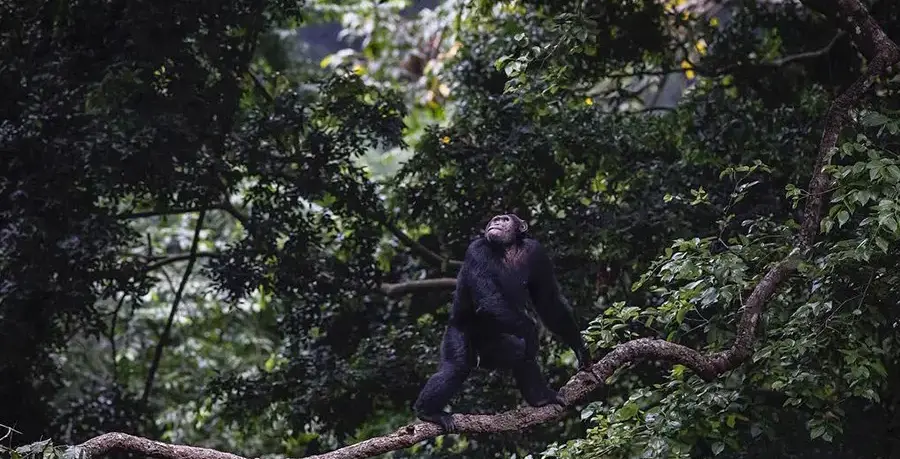
Food & drink
Food specialities in Uganda originate from a mixture of flavours which, in turn, originate from the Arabic, Asian and English cultures. As the country is predominantly agricultural, the ingredients for its dishes are of good quality, which makes their traditional dishes very tasty and healthy.
Most of the population grows its own food, apart from those who live in towns. However, by tradition, the creation of traditional Ugandan dishes mainly falls to the women. Ingredients are varied and you will find fish, different types of meat, yucca, soya, vegetables and other produce such as fruits and nuts.
Below, we outline the more traditional and typical dishes to eat when in Uganda. This may not be as easy as you think, keeping in mind that you can find anything from the Hindu samosas right up to white ants.
Matoke
Without a shadow of a doubt, this is the most famous traditional dish to eat in Uganda. It consists of a stew of chicken and green bananas, seasoned with different spices. To make this dish, a puree is made with the bananas, and this is mixed with the chicken and with different vegetables. To prepare it, green pepper, onions, garlic, coriander, curry, ginger, chillies and milk are used. The resulting dish has a delicious flavour and you will be able to try it anywhere in the country.
Luwombo
Another traditional gastronomic dish from Uganda is Luwombo, also known as Oluwombo. Initially, this dish was only prepared for royalty, but today it is part of traditional Ugandan cooking. Chicken, goat or beef meat is used to prepare it. This is slowly cooked in banana leaves over a low heat. The special touch is added by the peanut sauce, which enhances the flavours of the meat chosen for this delicious dish even more.
Traditional Ugandan drinks
Ugandans consume both traditional and international beers, which are one of the most popular drinks in the country. Local beer, known as pombe, is made of fermented millet and banana. Continuing with alcoholic drinks, Waragi is a banana gin which is very popular with tourists and is used as a base for a traditional Ugandan cocktail.
Other drinks that are commonly consumed in Uganda are tea and coffee. As far as tea is concerned, chai style tea is the most popular, for example chai masala, which is clearly of Indian origin. On the other hand, coffee is a more serious matter, as Uganda is the largest producer of all Africa. The Robusta and Arabica varieties are grown by small producers and cooperatives who sell their produce to the export companies.
Now that you know the most representative flavours of Uganda, don’t think about it any longer and try the country’s traditional dishes during your trip.

Food is simple, cheap and filling. Meals usually consist of rice, chapatti, ugali (maize porridge) or matoke (cooked plantain) with a meat or chicken stew. Everything can be flavoured with groundnut sauce. Ugandan cuisine is known for two main things: freshness and Asian influences, particularly Indian.
The food in Kampala is as rich as the culture, with almost all tribes having their own staple food. To visit Uganda without fully immersing oneself—especially when it comes to the food—would be robbing your tastebuds of greatness.Kampala offers greater variety if Ugandan cuisine doesn’t float your boat.
Vegetarians don’t fare well unless they make a beeline for Indian eateries. Chai (sweet tea) is widely drunk and the best beer is Nile Special.

Where to Stay
Throughout Uganda accommodation to suit all tastes and budgets is easy to come by. The local lingo can be confusing – self-contained means an en suite hotel and in Swahili hoteli refers to a restaurant.
Upmarket hotels and swanky bush lodges come equipped with en suites, mosquito nets, TVs and air conditioning or fans. Budget hotels are of a reasonable standard and usually have en suites, mosquito nets, fans and running water.
At the lowest end of the spectrum are guesthouses – rather insalubrious rooms set around a courtyard with shared toilets. Numerous organised campsites can also be found.
Choose from luxurious new lodges located in various national parks throughout the country.
“Put a stick in the ground and it will grow,” they say of the heart of Africa. From papyrus wetlands and semi-arid savannas to gorilla trekking in mist-shrouded forests and marvelling at alpine flora on snowcapped Mountains of the Moon—the nickname for the Rwenzori Mountain—Uganda offers wilderness in the raw, and in 2025 travellers will experience it in style.
Gorilla Forest Camp, an A&K sanctuary in the heart of the Bwindi Impenetrable Forest National Park—home to more than half the world’s mountain gorilla population—has always offered unparalleled access, but in April 2025, it will open with a gorgeous new design after a complete rebuild.
Also entirely reimagined and slated to open in early 2025 is neighbouring Silverback Lodge, offering 12 sumptuously furnished “nests”
From either location, it’s fairly easy to tack on a stop in Kibale Forest National Park, and Volcanoes Safaris’ newly launched Kibale Lodge is an excellent reason to do so. At the end of 2025, you’ll also be able to base yourself at Lake Nyamirima Cottages, 30 minutes away, with views of surrounding crater lakes.
The Kampala Serena Hotel
is an oasis of cool and green, with a secure environment ideally located in an excellent location in the heart of Kampala, which is the focal point of national, regional, corporate, political and social life.
Surrounded by 17 acres of beautifully manicured water gardens, our hotel attracts visitors to Kampala seeking 5-star amenities including elegant accommodation, gourmet cuisine
Lose yourself in the beautiful, tropically styled free form swimming pool tucked among rock terraces, wooden bridges and a waterfall. Savor a fine dining experience like no other at the radiant Pearl of Africa restaurant, or unwind with friends or colleagues in the Champagne Bar. Explore a world of wellness at the Moroccan palace-inspired Maisha Spa and Health Club, home to Swedish saunas, Turkish steam rooms, a plunge pool and a state-of-the-art fitness center. Experience the wonder, inspiration and delight of the Kampala Serena Hotel.

2 Friends Beach Hotel
A beautiful place where you can feel at home. At 2 Friends, we offer you excellent service, comfortable rooms, cosy atmosphere, friendly staff and a touch of luxury. Your comfort is taken care of. Come as a guest, leave as a friend. Ideally situated on the banks of Lake Victoria with convenient access to Kampala and the best spots around Entebbe. Our Beach Restaurant offers you delicious food and drinks while you enjoy the soft breeze and magnificent view

Search For bookings
What to Pack for Uganda.
During the day, temperatures in Uganda are generally warm so pack plenty of lightweight clothing.
-
If you are going gorilla trekking, pack long trousers and long-sleeved tops, long socks to wear over your trousers as protection against ants, a pair of light gloves to protect against nettles, a hat and a raincoat.
-
A pair of sturdy, comfortable hiking boots is most important – try to break these in before your trip rather than wearing them brand new as you're likely to get blisters.
-
The mountains tend to be cold and damp so pack according to the altitude – a change of clothes and a warm fleece in your day pack, along with sunscreen and insect repellent are advised.

Rwanda Travel Guide
Best known for its wealth of primates, Rwanda is home to the endangered mountain gorillas and some wonderful hiking spots. There are also beautiful lakes, dense jungles, rich birdlife and remote island communities for you to discover in Rwanda.
Rwanda is becoming increasingly popular as a tourist destination but before you set out, it is always a good idea to learn more about the country, health and safety. To help you better navigate the country, our experts have put together all the details in our Rwanda travel guide.
Table of Content
3. Why Visit
4. What to see
5. Where to stay
6. Useful facts about
8. What to pack

Useful Facts about Rwanda
Airport
Kigali International Airport (KGL) – 13km from the city
Time Difference
GMT+2
Visa Requiered
Population
9Million
Currency
Rwanda Franc (RWF). US dollars are easy to exchange.
Capital
Kigali
Int.Dial Code
+250
Languages
Kinyarwanda (official) Kiswahili, French and English
Voltage
230 V 50 Hz
Credit Card

Best time to visit
The ideal time to explore Rwanda is during the dry season from June to September. This period is perfect for spotting mountain gorillas, as it provides optimal hiking conditions and minimizes the risk of malaria. While it's possible to trek to see mountain gorillas outside of these peak months, be prepared for challenges due to rain and potentially steep, muddy trails. It's important to be in good physical condition before starting your trek, as you'll be hiking through Rwanda's dense tropical jungles.
Month by Month Guide for Travelling to Rwanda
Visiting Rwanda from January & February
During the months of January and February, high and medium-altitude regions comprising Kigali, Lake Kivu as well as Volcanoes National Park and Nyungwe National Parks, are hot in the day but cool in the evenings. Low-lying regions like Akagera National Park are hot in the day but warm in the evenings.
This is a popular time to go on a Rwanda safari and is a great opportunity to take in the breathtaking scenery of this beautiful country. The warm climate and sunshine in these months make for unforgettable forest treks. But if you are planning to visit Rwanda during this dry season, keep in mind that prices are generally higher, and you need to plan well in advance.
Travelling to Rwanda from March to May
March is the start of the rainy season, with showers continuing right through until mid-May. Despite the wet weather, these conditions are still good to be able to trek in search of the primates that inhabit this mystical landscape. Good quality rain gear is needed to brave the dense, wet forestry areas during this period.
April follows suit with March’s wet conditions. When deciding on places to visit in Rwanda, it’s best to know that hiking around the Virungas will be tough at this time of the year.
The rains begin to ease by mid-May. This is a good month to avoid the tourist crowds, and you may have a better chance of grabbing a last-minute gorilla trekking permit. For avid birdwatchers, May falls into the breeding season and the skies are filled with colourful, winged beauties.
Visiting Rwanda from June to September
The dry season between June and September is renowned for being the best time to go to Rwanda. There is often light cloud cover during this time of year and it makes for a comfortable climate for gorilla trekking. A highlight in June in Rwanda is the annual Kwita Izina Ceremony. This is when all the baby gorillas born over the previous twelve months are named. In September, the Rwanda Film Festival is another highlight on the calendar, showcasing local filmmakers and a selection of international favourites.
Visiting Rwanda in October to December
If you're planning to go to Rwanda between October and December, you will be arriving during the short rainy season. Short bursts of showers are common in these months that clear to reveal blue skies. You could also take advantage of lower costs on gorilla trekking permits, hotels and Rwanda lodges – if you are not willing to let a little mud and rain deter you.

Flights & Getting Around
Did you know you can book your flights through Go2Africa? For more information and frequently asked questions, please see our Flights section.
Gregoire Kayibanda International Airport: A short drive from Kigali, Rwanda’s point of entry is served by a direct flight from Brussels otherwise you’ll be flying in from Entebbe, Nairobi, Lusaka or Johannesburg.
It’s about a 2.5-hour drive from Kigali to the gorilla trekking destination of the Volcanoes National Park. Transfers in Rwanda are usually conducted in 4X4 vehicles but you can also take a helicopter flight from Kigali to Nyungwe Forest National Park.
Because Rwanda is a small country, the maximum driving distance between major points of interest is about four to five hours long. In Kigali, one of the most efficient and fun ways of getting around is on the back of a local scooter – it’s a great way to get an authentic taste of the city.
All visitors require a passport valid for at least six months to Rwanda. Visas are required by everyone except citizens of the USA, UK, Canada, Germany, Sweden, Hong Kong, Kenya and South Africa.
Multiple-entry tourist visas can be purchased from your nearest Rwandan embassy or consulate. Visas are valid for three months and can usually be extended in Kigali on a month-by-month payment basis.

Why visit Rwanda
Africa’s Most Accessible Gorilla Trekking
Rwanda offers a unique blend of breathtaking landscapes and warm hospitality, creating unforgettable experiences. This country is renowned for its rich biodiversity, stunning volcanoes, and lush highland rainforests that shelter the majestic gorillas. A Rwanda gorilla trekking safari is often paired with visits to other East African gems like Uganda, Kenya, or Tanzania. Beyond its green hills, Rwanda boasts the primate-richungwe Forest National Park, where playful chimpanzees thrive amidst a backdrop of diverse bird species. In the eastern region, Akagera National Park showcases incredible wildlife in a varied savannah, featuring iconic animals such as lions and elephants. Here are compelling reasons to embark on a Rwanda safari:
1. Soul-Stirring Encounters with Mountain Gorillas & Wildlife
Rwanda is a premier destination for primate tracking, set against rolling hills, forest canopies and stunning mountain vistas. With over half of the world’s remaining mountain gorilla population it’s no surprise that wildlife enthusiasts flock to Rwanda for intimate encounters with these critically endangered creatures.
Highlights:
- Enjoy year-round gorilla trekking tours
- Encounter golden monkeys, chimpanzees, and vibrant forest birds
- Discover the legacy of Dian Fossey
- Explore Nyungwe Forest National Park Volcanoes National Park Find Your Gorilla Safari
2. Kigali: The Modern Heartbeat Rwanda
Kigali is clean, safe, and has transformed into one of Africa's most welcoming cities, making it the ideal starting point for your Rwanda safari. From bustling shopping centers and boutiques to lively markets, Kigali is a vibrant hub spread across several picturesque hills, offering plenty to see and do for a few days.
Highlights:
- Visit the Kigali Cultural Village for live music and art workshops
- Sample exceptional Fair-Trade coffee at Hingakwa Women's Coffee Cooperative
- Align visit with the Kigali Film Festival, Hobe Rwanda Festival, or Kigali Fashion Show
- Pay tribute at the poignant Genocide Memorial Centre Help Me Plan
3. Sustainable Gorilla Safaris: Dian Fossey Gorilla Fund Ellen DeGeneres Campus
On the slopes of Rwanda's Virunga Volcanoes, Dian Fossey dedicated 20 years to studying the endangered mountain gorilla, inspiring the film Gorillas in the Mist. Today, you can experience remarkable wildlife encounters while contributing to conservation efforts through gorilla trekking and collaborating with local researchers
Highlights:
- Take a 2-hour behind-the-scenes tour with a gorilla researcher
- Engage in half-day activities at the Price Research Center
- Participate in a private, 2-hour masterclass on gorilla conservation
- Experience gorilla trekking alongside a Dian Fossey Gorilla researcher Immersive Gorilla Conservation Experiences
4. Convenient Travel & Easily Combined with Other Destinations
Rwanda's compact size makes it easy to navigate with the added benefit of accessible gorilla trekking experiences. After arriving in Kigali, you can reach the renowned Volcanoes National Park a few hours for authentic gorilla encounters. Rwanda also pairs with other popular safari destinations in Kenya and Tanzania, as well as the idyllic beaches of Zanzibar. Highlights:
- Easily combine with Big Five safari destinations and island get
- Flexible itineraries and fly-in travel options
- Experience the most accessible gorilla trekking
- Extend your adventure with trips to Uganda or the Congo

Exploring Rwanda
A Guide to Gorilla Viewing and Beyond
Though Rwanda is one of Africa's smallest countries, it offers a remarkable variety of wildlife. Its compact size allows for quick and easy travel between must-see locations, making it perfect for exploring the country's stunning attractions. With breathtaking landscapes and warm, welcoming locals, Rwanda presents unique experiences for every visitor. From the unique species in its volcanoes and highland rainforests to expansive plains, you're bound to see many endemic animals during your safari adventures. Rwanda is 1.5 times larger than South Africa's Kruger National Park, and most highlights are about a four-hour drive from the capital, Kigali. Visitors can enjoy hiking with endangered mountain gorillas, scaling majestic volcanoes, and unwinding by the beautiful Lake K. Numerous tourist attractions in Rwanda can help you create the perfect itinerary for your unforgettable journey in this extraordinary East African destination.
1. Kigali: Gateway to the Gorillas
Kigali, the capital city, serves as the main entry and exit point for premier gorilla trekking adventures in Rwanda. Travelers can fly in from major East African hubs like Entebbe or Nairobi, with options to head directly to Volcanoes National Park or spend a night in this compact, safe city to enjoy engaging tours and safaris. Alternatively, direct flights from Johannesburg make it easy to include a gorilla trek in a broader itinerary that may include Kruger, Cape Town, or Victoria Falls. Regular flights from Lusaka, Zambia, are also available, ideal for those coming from the Lower Zambezi or South Luangwa National Park. Kigali is renowned for its safety and cleanliness, with residents participating in 'Umuganda Day' each month to engage community cleaning efforts, a practice they take seriously and take pride in. To combat litter and pollution, plastic bags are banned throughout the country. Spending a full day in Kigali, ideally two nights, allows visitors to experience the poignant Genocide Memorial and explore both the historic modern parts of the capital, making it a must-visit destination in Rwanda.
3. Nyungwe Forest National Park: Home to Chimps, Primates & Birds
Nyungwe Forest National Park, the largest expanse of montane forest in East Central Africa, is a compelling reason to delve deeper into Rwanda after your unforgettable gorilla trekking experience. As one of Africa's oldest rainforests, Nyungwe boasts a rich diversity of birds, rare butterflies, and stunning orchids. The highlight, however, is the park's 13 primate species, including chimpanzees, L’Hoest’s monkeys, owl-faced monkeys, and white colobus. With fantastic hiking trails, breathtaking views, and a forest canopy walk that offers a chance to see blue monkeys in the trees, Nyungwe is the perfect destination for those seeking an immersive experience in Rwanda's enchanting landscapes and wildlife.
4. Akagera National Park: Savannah Wildlife Viewing
Nestled in the low eastern region of Rwanda, Akagera marks the transition from the tropical forests of Central Africa the arid savannahs of East Africa. This captivating blend of wetlands and rolling grasslands makes Akagera National Park a prime location for spotting iconic African wildlife, including elephants, buffalo, hippos, giraffes, leopards, and various antelope. Although it is a relatively small park, it's just a three-hour drive from Kigali. In addition to guided Big 5 game drives, Akagera offers private boat trips, sunset cruises, and night drives, providing guests with unforgettable experiences in one of Rwanda's most wildlife-rich areas.
5. Lake Kivu
Nestled along Rwanda western border, Lake Kivu is a vast body of water surrounded by lush hills, perfect for hiking, chimp trekking, bird watching, and canopy walks. It serves a stunning highlight among Rwanda's top tourist destinations. In Gisenyi, a charming town on the northern shore, you can enjoy kayaking or boating. Lake Kivu is an ideal spot to unwind after a long flight or to after the adventures of gorilla trekking and other remarkable tours in Rwanda.

A Guide to Rwanda’s Traditional Dishes and Drinks for Travellers
Rwanda captivates travellers with its breathtaking scenery and vibrant culture. But Rwanda’s charm extends beyond the visual. Tucked within this East African nation lies a unique and flavorful cuisine waiting to be explored. Local ingredients reign supreme, crafting an array of simple yet delicious dishes that are typically mild in spice.
Embark on a Delicious Adventure: Must-Try Rwandan Foods
1. Ugali: The Foundation of the Rwandan Meal
Ugali is the cornerstone of Rwandan cuisine, gracing most dining tables. This starchy delight is prepared using maize flour and water, resulting in a thick, doughy consistency.
How to Savour Ugali: Pinch off a small piece, roll it into a ball, and use it to scoop up flavorful stews, sauces, or vegetables. It’s a perfect accompaniment to grilled meats, beans, and leafy greens.
2. Brochettes: Skewers Sizzling with Flavour
A haven for street food enthusiasts, brochettes are a Rwandan staple. Tender, marinated meats like beef, goat, or even fish are skewered and grilled to perfection.
Tantalise Your Taste Buds: Savour the smoky goodness by dipping your brochettes in a spicy sauce or enjoying them alongside fried plantains for a delightful contrast.
3. Isombe: A Vegetarian’s Paradise
Isombe is a Rwandan treasure for vegetarians. This dish features cassava leaves cooked in a rich and flavorful peanut sauce, offering a hearty and satisfying option.
Unforgettable Isombe: Typically served with rice or plantains, isombe’s creamy peanut sauce complements the tender cassava leaves, creating a unique and delectable experience.
4. Akabenz: A Celebration of Freshwater Delights
Rwanda’s freshwater bounty takes centre stage in Akabenz. This dish showcases perfectly marinated and seasoned fried fish, a testament to the country’s culinary prowess.
Indulge in Akabenz: Pair your Akabenz with plantains, rice, or ugali for a complete meal. The crispy exterior and succulent fish are a guaranteed crowd-pleaser for seafood lovers.
5. Ibihaza: A Dance on the Palate
For those who enjoy a kick, ibihaza is a must-try. This Rwandan dish features grilled or fried meat, typically chicken or beef, seasoned with a vibrant blend of aromatic spices, creating a symphony of flavours on your palate.
Embrace the Spice: Ibihaza’s bold flavours are a delight for spice enthusiasts. It’s often served with vegetables or fried plantains to complement the heat.
6. Sweet and Savoury: Exploring Isombe Variations
Isombe isn’t limited to just a savoury delight. Ripe plantains, fried or mashed, take centre stage in a sweeter version of isombe. This versatile dish can be enjoyed as a side or even a dessert.
Savour the Sweet Side: Whether served alongside savoury dishes or enjoyed on its own, isombe in its sweet form highlights the natural sweetness of ripe plantains.
Traditional Rwandan Beverages: Quench Your Thirst and Refresh Your Spirit
1. Urwagwa: A Taste of Rwanda’s Banana Beer Culture
Urwagwa is a quintessential Rwandan beverage crafted from fermented bananas. This mildly alcoholic drink boasts a slightly sweet taste, offering a refreshing experience.
Experience Urwagwa: Sip on urwagwa to discover a unique blend of fruity sweetness and a touch of fermentation. It’s the perfect choice to combat Rwanda’s warm climate.
2. Agashya: Nature’s Refreshment
For those seeking a non-alcoholic alternative, agashya is a popular Rwandan drink made from fermented sorghum. It’s renowned for its refreshing qualities.
Unwind with Agashya: Quench your thirst with a glass of agashya, especially popular during Rwandan festivals and celebrations. The natural fermentation process adds a distinctive tang to this delightful beverage.
Where to Stay
Accommodation in Rwanda generally falls into two types: hotels in the capital Kigali, and safari lodges and tented camps situated in Rwanda's parks and reserves, the most popular of which is of course the Volcanoes National Park. Accommodation here provides the ideal base from which to go gorilla trekking – expect clean and comfortable lodges, good food, amazing forest views and plenty of adventure.
is surely the most famous hotel in Rwanda! Located in the central business district, the hotel allows you to enjoy the breathtaking views over the hills of Kigali while indulging in culinary delights from casual to fine dining, international cuisine to local signature dishes! The hotel has also for long been known to promote local artists as well as the Rwandan Culture and produce. This is evident through the display of local art around the hotel which not only beautifies it but generates income for the local artists as the art pieces are sold; A ‘Cultural Night’ is held every Friday, dedicated to give its guests a taste of the Rwandan culture through live performances of song and dance; and the hotel uses 90% of local produce!

On an enchanting boulevard in the heart of Kigali, Rwanda, in a secure location just a five-minute walk from the CBD, lies Kigali Serena Hotel. A distinctively rich blend of Rwandan heritage, art and culture with contemporary 5-star comfort in 148 sophisticated rooms and suites, Serena Kigali hotel provides a private and peaceful retreat like no other for discerning international diplomats and executives.
Enjoy a host of leisure amenities. Lose yourself in the tranquillity of our tropically landscaped pool. Indulge in a Mayan-inspired hot stone massage or a nature-based body wrap at Maisha Mind Body & Spirit Spa. Allow our restaurants to take you on a culinary journey, treating you to everything from expertly crafted Rwandese delicacies to enticing flavours from around the globe.
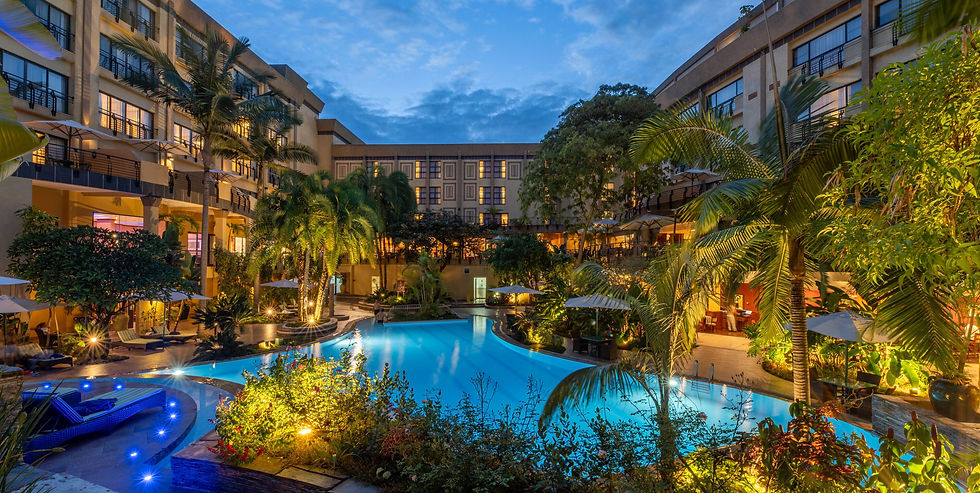
What to Pack
You'll need to be suitably equipped for gorilla trekking in Rwanda – preparation is key. When packing for your Rwanda safari, be sure to include long, thick trousers and long-sleeved tops, long socks or gaiters to wear over your trousers as protection against ants, a pair of light gloves to protect against nettles, a hat, a raincoat and of course a pair of sturdy, comfortable hiking boots (break them in before your trip).
It can get cold and damp on the mountains at altitude so pack a change of clothes and a warm fleece in your day pack, along with sunscreen and insect repellent.
Stinging nettles are one of the gorillas’ main food sources so there are bound to be thick patches of nettles when you encounter a gorilla family. We recommend wearing the thickest trousers possible to protect your legs against scratches and gardening or other gloves to protect your hands (you may have to grasp vegetation from time to time to steady yourself on the trek).
Other useful tips:
-
Avoid wearing strong fragrances as animals have an acute sense of smell and may retreat from unfamiliar scents.
-
Dress in the colours of nature ie browns and greens. Animals are aware of contrast and bright colours, white and strong patterns create the highest contrast against the forest background, once again making game keep their distance.
-
Do not wear black or blue as these colours seem to attract tsetse flies and other bugs.
-
Ensure your bug spray is environmentally friendly.
-
If you can, bring extra stationery, toys or footballs for the village children.
-
Consult your doctor or travel clinic about vaccinations and medication to help you cope with the altitude, if necessary. Many of the country’s roads are very ‘twisty’ or windy, so consider bringing anti-motion sickness medication if you get car sick.