
_edited.png)

Macaronesian Islands Travel Guide
where culture, adventure, and nature unite in four unforgettable destinations.
Explore the Macaronesian Archipelago: Four Island Regions, Endless Adventure
Escape to the Macaronesian Archipelago — a collection of breathtaking Atlantic islands off the coasts of Europe and Africa. Comprising Madeira, the Canary Islands, Cabo Verde, and the Azores, this region offers year‑round sunshine, dramatic volcanic landscapes, and vibrant island cultures. Discover each destination and find your perfect island journey.

Browse By Archipelagos
Explore the Macaronesian Archipelago, One Island Chain at a Time
Tucked away in the Atlantic, the Macaronesian Archipelago unites four stunning island groups — each with its own soul, landscape, and rhythm of life. From volcanic peaks and emerald forests to black‑sand beaches and ocean‑breeze culture, these islands promise endless discovery for every traveler. Dive into each region below and find your island escape.
Nestled in the North Atlantic, Madeira is a lush Portuguese island known for its spectacular coastlines, terraced vineyards, and scenic levada walks. Explore Funchal’s charm, sample world‑famous Madeira wine, and hike through UNESCO‑listed Laurisilva forests under the eternal spring sun.
The Canary Islands combine golden beaches, volcanic wonders, and lively cities. From Tenerife’s majestic Mount Teide to Lanzarote’s surreal lava fields, every island offers unique attractions and adventure. Ideal for nature lovers, hikers, and sun‑seekers alike.
Located off West Africa’s coast, Cabo Verde (Cape Verde) blends African rhythm with Portuguese flair. Discover Sal’s golden beaches, São Vicente’s music scene, and Santo Antão’s incredible mountain trails. A destination of rhythm, warmth, and slow island living.
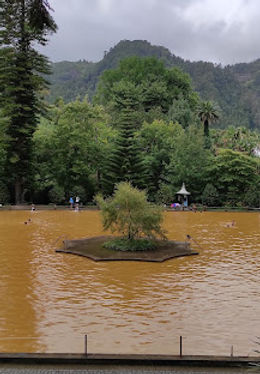
Hidden in the mid‑Atlantic, the Azores are a dream for eco‑travelers and adventure seekers. Explore crater lakes, natural hot springs, and volcanic coastlines on islands like São Miguel and Pico. Expect raw beauty, whale watching, and tranquil rural escapes.


Facts about Macaronesian Islands
Macaronesia is a collection of four main volcanic archipelagos in the North Atlantic Ocean, stretching from the coast of Europe to West Africa.
-
Etymology: The name comes from the Ancient Greek makárōn nēsoi, meaning "Islands of the Fortunate" or "Blessed Islands".
-
Volcanic Origin: All the islands were formed by volcanic activity, some via tectonic plate junctions and others through stationary hotspots.
-
Population: As of 2025, the combined population is over 3.2 million, with the Canary Islands accounting for roughly 67% of the total.
Natural and Biological Features
-
Laurisilva Forests: The northern archipelagos Azores , Madeira, and Canaries) are famous for their ancient laurel forests, a subtropical vegetation type that covered much of the Mediterranean before the last ice age.
-
Unique Biodiversity: Macaronesia is a global biodiversity hotspot with high levels of endemism (species found nowhere else), including the Dragon Blood Tree and the Canary Island Pine.
-
Marine Life: The surrounding waters are a sanctuary for cetaceans, hosting over 30 species of whales and dolphins, including sperm whales, blue whales, and bottlenose dolphins.
-
Climate Variation: The climate ranges from the maritime temperate and rainy conditions of the
Azores to the arid, tropical environment of Cape Verde
Cultural and Historical Context
-
Discovery: While the Canary Islands had an indigenous population (the Guanches), the Azores and Madeira
were largely uninhabited when discovered by Portuguese explorers in the 15th century.
-
Astronomy: Due to high altitudes and clear skies above the temperature inversion layer, the Canary Islands host some of the world's most important astronomical observatories, such as the Roque de los Muchachos Observatory.
-
Unique Cuisine: Notable regional specialities include the Azorean Cozido das Furnas (stew cooked in volcanic soil) and
Madeira’s world-famous fortified wines.
Best Time to Visit the Macaronesian Islands
The best time to visit the Macaronesian Islands (Azores, Madeira, Canaries, Cape Verde) is generally April-June and September-October for ideal hiking, fewer crowds, warm seas, and whale watching, avoiding peak summer heat and winter rain, though the Canaries offer great winter sun (Nov-Feb) while Azores/Madeira are greener then but cooler. Pick Spring for wildflowers/whales (Azores) or Fall for warmer water (Canaries/Madeira).
Spring (April - June)
-
Pros: Lush landscapes, abundant wildflowers (especially April/May), excellent for hiking, fewer tourists than summer, good for whale watching (larger species like blue whales in the Azores), warm enough for swimming by May/June.
-
Best For: Nature lovers, hikers, and budget travellers.
Summer (July - August)
-
Pros: Hottest weather, ideal for traditional beach holidays in the Canaries/Cape Verde.
-
Cons: Peak tourist season, higher prices, can be very hot (especially Canaries/Cape Verde).
Fall (September - October)
-
Pros: Warm, sunny, perfect sea temperatures for swimming (Canaries/Madeira), great for hiking (Madeira), fewer crowds, excellent for whale watching (humpbacks in Azores).
-
Best For: Beach lovers, hikers, those seeking pleasant warmth without peak summer intensity.
Winter (November - March)
-
Pros: Mild temperatures (Canaries are warm!), escape European winter, great for winter sun, almond blossoms in Canaries (Jan/Feb), good for birdwatching.
-
Cons: Rainier (especially in the Azores/Madeira), cooler evenings, and not prime beach weather (but still pleasant).
Island-Specific Tips:
-
Azores & Madeira: Greener and wetter in winter; better for hiking/nature in Spring/Fall.
-
Canary Islands: Great for winter sun escape (Nov-Feb) and beach/hiking in Spring/Fall.
In Summary, For a balanced trip with great weather, hiking, and fewer crowds, aim for May/June or September/October; for winter sun, choose the Canaries between November and March.
How to get to the macaronesian islands
To get to the Macaronesian Islands (Azores, Madeira, Canary Islands, Cape Verde), you'll primarily fly into their main airports, with connections from Europe or North America, often via Lisbon or Madrid; from there, you use internal flights (Azores Airlines, Binter Canarias) or ferries for island hopping, while adventurous options include transatlantic cruises or private sailing trips.
By Air (Most Common)
-
To the Azores & Madeira (Portugal): Look for flights from major hubs like Lisbon (TAP Air Portugal) or Madrid, especially seasonally (SATA/Azores Airlines).
-
To the Canary Islands (Spain): Direct flights are available from many European cities, with Binter Canarias for inter-island hops.
-
To Cape Verde (Independent): Flights connect via Portugal, Senegal, or other hubs, with regional carriers for inter-island travel.
-
Airlines: Expect to use airlines like TAP, Azores Airlines, Binter Canarias, and others depending on your origin.
By Sea
-
Cruises: Many cruise lines visit these islands, offering itineraries that link the archipelagos, from Cape Verde to the Canaries and Azores.
-
Sailing: For a unique experience, join organized sailing trips (like on Sailwiz) or book passage with private yachts crossing the Atlantic.
Island Hopping
-
Flights: For travel between island groups (e.g., Azores to Madeira) or within the Azores, internal flights are usually the only practical option.
-
Ferries: Short-distance ferries connect some islands, especially within the Canaries and Madeira, but inter-group ferries are limited.
Key Macaronesian Islands
-
Portugal: Azores, Madeira.
-
Spain: Canary Islands (Tenerife, Gran Canaria, etc.).
-
Cape Verde: A sovereign nation, formerly Portuguese.
Find Flights
How to get around in the macaronesian islands
To get around Macaronesia (Azores, Canaries, Madeira, Cape Verde), you'll use a mix of flights between archipelagos, ferries/boats between islands, and on-island transport like rental cars, taxis, and sometimes local buses, with car rental often best for exploring beyond resorts, especially in the Azores and Canaries where public transport is limited.
Between Archipelagos (e.g., Canaries to Madeira)
-
Flights: The primary way to hop between island groups is by air, using regional airlines.
-
Cruises: Longer cruises can link the archipelagos, offering a scenic, albeit slower, option.
Within an Archipelago (e.g., Canary Islands)
-
Flights: For longer distances or faster travel between major islands (like Gran Canaria to Tenerife), short inter-island flights are available.
-
Ferries: Regular ferry services connect islands, offering scenic views, though they aren't always cheaper than flying and can take longer.
-
Rental Cars: Highly recommended for exploring, especially on larger islands like Tenerife, Gran Canaria, or São Miguel (Azores), as buses are infrequent and attractions are spread out.
-
Taxis: Available on most islands (e.g., many companies in La Palma, Canaries) for shorter trips or when buses aren't convenient.
-
Local Buses (Guaguas): Exist on most islands, but coverage can be sparse, making them less ideal for comprehensive tourist exploration.
Within the Azores
-
Flights: Essential for getting between the different islands (e.g., São Miguel, Pico, Terceira).
-
Car Rental: Very useful for exploring the larger islands like São Miguel and Terceira, as public transport is limited.
In Cape Verde
-
Inter-island Flights & Ferries: Connect the archipelago, though ferries can be less frequent.
-
Car Rental/4x4: Essential for exploring islands like Santo Antão for hiking, while Sal and Boa Vista are more resort-focused.
-
Taxis: Local taxis (alugueres) are common for shorter hops.
Tips for Macaronesia
-
Plan Ahead: Public transport schedules can be challenging to navigate.
-
Rent a Car: Best for freedom to explore volcanic landscapes, hidden beaches, and viewpoints, say the Yes Getaways team, in the Canaries and Azores.
-
Consider Guided Tours: For specific hikes or hard-to-reach spots, guided tours (like those in the Masca Gorge) offer convenience and safety.
Why Visit the Macaronesian Islands
Visit the Macaronesian Islands (Azores, Madeira, Canaries, Cape Verde) for stunning volcanic landscapes, unparalleled biodiversity (unique birds, whales, dolphins), rich cultures, and diverse activities like hiking lush forests, diving clear waters, exploring historic towns, and enjoying unique island traditions, offering an exotic European escape with adventure and relaxation.
Nature & Wildlife
-
Biodiversity Hotspot: A unique ecological region with endemic species found nowhere else.
-
Birdwatching Paradise: Ideal for spotting unique seabirds like shearwaters, pigeons, and kestrels, especially in spring/summer.
-
Whale & Dolphin Watching: Frequent sightings of pilot whales, dolphins, and even sperm whales.
-
Unique Ecosystems: From volcanic craters (Chã das Caldeiras) to laurel forests and coastal vegetation.
Activities & Adventure
-
Hiking & Exploration: Discover volcanic craters, lush valleys, and dramatic coastlines.
-
Diving & Marine Life: Explore rich underwater worlds with unique rays, cod, and eels.
-
Cultural Immersion: Visit historic towns with colonial architecture, local markets (like Mercado de Nuestra Señora de África in Tenerife), and traditional villages.
-
Local Flavors: Taste unique island wines, palm honey (miel de palma), and local cheeses.
Culture & Atmosphere
-
Distinct Island Identities: Each archipelago (Azores, Madeira, Canaries, Cape Verde) offers a different vibe, from Portuguese charm to Spanish-influenced culture.
-
Historic Charm: Find palaces, Jesuit churches, and historic settlements.
-
Authentic Traditions: Experience unique festivals, traditional dances, and local crafts like ceramics.
Why Macaronesia?
-
Proximity for Europeans: An exotic feel without traveling to the other side of the world.
-
Year-Round Appeal: Different islands offer pleasant weather for various seasons.
-
Variety: Offers a mix of adventure, relaxation, nature, and culture in one region.
things to do and to see in the macaronesian islands
Macaronesia (Canaries, Azores, Madeira, Cape Verde) offers volcanic landscapes (Teide, Timanfaya), lush hiking (Madeira's Levadas, Garajonay NP), incredible wildlife (whale/dolphin watching), unique culture (Azores' ports, La Gomera's whistling), stunning gardens (Funchal), and coastal activities like coasteering, with highlights being Tenerife's beaches, Lanzarote's art/volcanoes, São Miguel's lakes, and Cape Verde's rich heritage.
Canary Islands (Spain)
-
Tenerife: Relax on Las Teresitas beach, hike Teide National Park, explore vibrant Funchal.
-
Lanzarote: Marvel at Timanfaya's volcanic terrain and César Manrique's art.
-
La Gomera: Discover UNESCO-listed Garajonay National Park and learn the unique whistling language, Silbo Gomero.
-
Gran Canaria: Enjoy coasteering, hiking, and volcanic geology experiences.
Madeira (Portugal)
-
Levada Walks: Trek along historic, terraced water channels through lush scenery.
-
Funchal: Visit the colorful Mercado dos Lavradores, ride the cable car to Monte, and explore botanical gardens.
-
Nature: See the dramatic Pico do Arieiro/Pico Ruivo peaks and the secluded Valley of the Nuns (Curral das Freiras).
Azores (Portugal)
-
Nature: Explore emerald-green calderas (like on São Miguel), geothermal springs, and unique trading ports.
-
Wildlife: World-class whale and dolphin watching opportunities.
-
Activities: Go canyoning, kayaking, or discover unspoiled landscapes.
Cape Verde (Cabo Verde)
-
Culture: Experience a rich blend of African and Portuguese heritage.
-
Nature: Enjoy stunning natural beauty, from volcanic islands to beautiful beaches.
General Macaronesian Experiences
-
Marine Life: Unrivalled whale and dolphin watching across all archipelagos.
-
Volcanic Wonders: Unique volcanic geology is a defining feature of all islands.
-
Ornithology: A paradise for birdwatchers, spotting endemic species.
Macaronesian Travel Tips
Macaronesia (Azores, Canaries, Madeira, Cape Verde) offers volcanic landscapes, unique wildlife (whale watching in Azores/Madeira), and diverse cultures; tips include renting a car for island exploration, being prepared for rapidly changing microclimates with layers, using local buses (like 'guaguas' in Canaries), booking whale tours April-October, and respecting protected environments. Focus on island-hopping logistics, as flight changes are common, and enjoy the distinct vibes from volcanic Lanzarote to hiking-focused Madeira.
What to Pack & Expect
-
Layers: Weather changes rapidly; pack for sun, wind, and rain.
-
Adapters: Canaries use Type C/F plugs (230V).
-
Cash: Useful for small purchases, especially local buses.
-
Waterproofs: For boat trips and unpredictable rain.
Activities & Culture
-
Whale Watching: April-October offers best chances (Azores/Madeira).
-
Hiking: Explore volcanic trails (Lanzarote) or levadas (Madeira).
-
Local Cuisine: Try papas arrugás (Canaries) or fresh seafood.
-
Respect Nature: Stick to trails and respect wildlife in protected areas.