
_edited.png)

The Canary Islands, also known the Canarian Archipelago, are a Spanish group of islands situated the Atlantic Ocean, approximately 100 kilometers (62 miles) northwest Africa's coastline. As the southernmost autonomous community of and a part of the European Union this archipelago includes seven main volcanic islands—Tenerife, Fuerteventura, Gran Canaria Lanzarote, La Palma, La Gomera, El Hierro—along with smaller islands like La Graciosa and various islets. Celebrated for their year-round sunshine, stunning volcanic landscapes, and a wide range of attractions, Canary Islands offer something for every traveler, whether you seek beaches, adventure, culture, or relaxation.
Eight Islands in the Atlantic Ocean await you, offering the perfect escape from your daily routine and a chance to return home recharged. Experience their volcanic beauty, unwind on stunning beaches, wander through ancient forests, gaze out over breathtaking cliffs and ravines, and immerse yourself in crystal-clear waters. Enjoy an incredible diversity of landscapes and uncover endless new adventures. Don't forget to savor the local cuisine, whether it's traditional dishes or innovative creations by renowned chefs. Additionally, explore the islands' rich historical and cultural heritage, from the stories of the first settlers to modern influences. The best part? You can visit year-round in this paradise of eternal spring. Discover the world's finest climate for yourself!
The Canary Islands are home to breathtaking sights, including the volcanic scenery of Lanzarote, the sandy beaches and dunes of Fuerteventura and Gran Canaria, and the lushlands of La Palma and La Gomera. There are plenty of cultural experiences to enjoy, such as the UNESCO World Heritage site San Cristóbal de La Laguna and the artistic legacy of César Manrique in Lanzarote. If you're visiting February, be sure to experience the lively Carnival in Santa Cruz de Tenerife.
The Canary Islands are the place with the most hours of sunlight in Europe, 3000 per year.



Top Islands & Highlights
Tenerife
-
Largest island;
-
home to Mount Teide (Spain’s highest peak and a UNESCO World Heritage Site). The Teide National Park is the most visited national park in all of Europe and one of the most visited in the world.
-
Must-see: Teide National Park, historic San Cristóbal de La Laguna, lively beaches (Playa de las Américas, El Duque).
-
Activities: Hiking, stargazing, water parks, vibrant nightlife.
Beaches, hiking trails, forests, and water parks. Watching the whales and dolphins swim in the wild or walking through historic quarters. What about just playing golf under a clear blue sky? That too. Of course, you must visit the awe-inspiring Teide, which is also a magical spot for stargazing at night. In Tenerife, everything is possible.
Gran Canaria
-
Known for diverse landscapes: dunes, mountains, and lush forests.
-
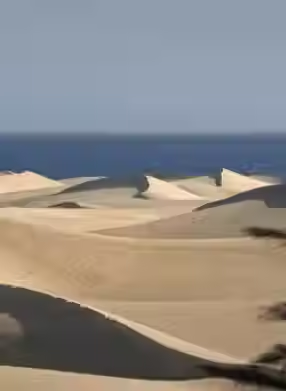
Must-see: Las Palmas old town, Maspalomas Dunes, Risco Caído archaeological site (UNESCO). Tejeda, located at the heart of the island of Gran Canaria, is one of the most beautiful towns in Spain.
-
Activities: Surfing, hiking, exploring colonial architecture.
This ‘miniature continent’ is an island of contrasts. On a single day, we can enjoy a beach such as Maspalomas and its impressive dunes, as well as the inland scenery with forests of Canary Island pine trees, ravines, and volcanic calderas. We can also relax at a spa and get ready for the island’s exciting nightlife.
Lanzarote
-
A different island
-
Famous for volcanic scenery and elegant ambience.
-
Must-see: Timanfaya National Park, César Manrique’s art and architecture.
-
Activities: Wine tasting, cycling, beach relaxation.
So different that its landscapes look like something from another planet. Take the Mandaya National Park as an example. Volcanoes and lava fields that stretch as far as the eye can see, though your eyes will no doubt be distracted by the stunning variety of colours on this apparently sterile island. Lanzarote is also synonymous with beaches, whitewashed houses and vineyards.
Fuerteventura
-
Best for beaches and wind sports (kite- and windsurfing).
-
Must-see: Corralejo Natural Park, Jandía Peninsula.
-
Activities: Watersports, sunbathing, dune hiking.
Fuerteventura – the beach of the Canary Islands
Endless beaches with white sand and turquoise water, many of which are solitary. A dream for anyone whose particular paradise is somewhere like this, where they can relax, feel the ocean breeze, sunbathe, swim in calm, crystal-clear waters… Yet also for those who want to feel the adrenaline of surfing the waves and taking on the wind.
La Palma
-
Nicknamed “La Isla Bonita” for its scenic beauty.
-
Must-see: Caldera de Taburiente National Park.
-
Activities: Hiking, stargazing (world-class observatories).
La Palma, island of starry skies, ancient forests, beaches and volcanic pools, also known as La Isla Bonita. Its leisurely pace of life and climate, sun-blessed 365 days a year, guarantee the disconnection of every visitor.
La Gomera
-
Naturally magical
-
Hiker’s paradise with lush forests.
-
Must-see: Garajonay National Park (UNESCO).
-
Activities: Trekking, whale watching, exploring traditional villages.
La Gomera’s natural spaces are the magical essence of the island. Discover infinite hiking trails, dizzying viewpoints and charming little villages in a spectacular natural environment.
El Hierro
-
El Hierro: Remote, eco-friendly, great for diving and an utter escape.
-
you have to visit El Hierro, the youngest Canary Island, as it emerged ‘just’ 1.1 million years ago. It’s difficult to explain the magic of this little, volcanic, Atlantic island, a place of peace and tranquillity where you can forget about stress and hurry.
La Graciosa
-
La Graciosa: Smallest, tranquil island ideal for secluded getaways.
-
Small, quiet, with no paved roads or pollution, virgin nature, paradisiacal beaches with turquoise waters and white sands, sparse landscapes, barely inhabited


Things to Do
-
Beaches: Golden and black volcanic sands, perfect for sunbathing, swimming, and watersports.
-
Hiking: Explore volcanic trails, lush forests, and dramatic cliffs.
-
Carnival: Experience the world’s second-largest Carnival in Santa Cruz de Tenerife (February/March).
-
Nature & Wildlife: Visit four national parks and several UNESCO Biosphere Reserves.
-
Cultural Sites: Discover colonial towns, archaeological parks, and local markets.
-
Adventure: Surfing, windsurfing, paragliding, diving, and mountain biking.
Getting Around
-
Air: Each major island has its airport; inter-island flights are frequent.
-
Ferry: Regular ferries connect the islands—ideal for island hopping.
-
Car Rental: Recommended for exploring remote areas and hidden gems.
-
Public Transport: Reliable bus services on all main islands.
-
Biking: Popular, especially in winter, though mountainous terrain can be challenging.
Practical Tips
-
Currency: Euro (€); credit cards are widely accepted, but bring some cash for small purchases.
-
Weather: Mild and sunny all year; pack light layers and sun protection.
-
Language: Spanish is spoken everywhere; English is widely understood in tourist areas.
-
Safety: The islands are generally safe, but always take standard precautions.
-
Local Cuisine: Try papas arrugadas (wrinkled potatoes), mojo sauces, fresh seafood, and local wines.
Notable Events
-
Carnival (Feb–Mar): Massive parades and celebrations, especially in Tenerife and Gran Canaria.
-
Fiestas and Local Markets: Each island has unique festivals and weekly markets.

Tenerife Travel Guide
Overview
Tenerife, the largest of Spain’s Canary Islands, offers a blend of dramatic volcanic landscapes, golden and black sand beaches, vibrant towns, and world-class cuisine. Whether you seek adventure, relaxation, or culture, Tenerife has something for every traveler

Useful Facts about Tenerife
Airport
La Reina Sofía (TFS)
Los Rodeos (TFN)
Time Difference
GMT +1
Visa Requiered
Population
917.800
Currency
Euro
Capital
Santa Cruz de Tenerife
Int.Dial Code
+34
Languages
Spanish
Voltage
220V
Credit Card
Credit Cards,ATM, Travellers Cheques
When to go
The climate of the Canary Islands is unique and special, considered by many to be the best climate in the world.
In the Canary Islands, the summers are pleasant and the winters are mild – an eternal spring of sunny days, blue skies and constant temperatures, which vary little throughout the year.
The secret of this unique feeling of comfort awarded by the climate can be found in the cooling trade winds, the Gulf Stream, which bathes its coasts and the warm influence of the Azores anticyclone in winter. These factors benefit the islands due to their exceptional geographical position, in an area of transition and contact between high pressure and winds blowing from the west.
Tenerife’s temperatures are pleasant all year round.
The high season is between June and September, the vacation season in Europe. May, September and October are often excellent months to make the most of the island.
-
Best Time: Spring (March–May) and Autumn (September–November) for mild weather and fewer crowds.
-
High Season: December–February and July–August, with more tourists and higher prices

How long to stay
-
Minimum for an overview of either the north or south of the island: 3 days
-
Number of days to see all the most famous places: 7 days
However, if you want to discover the island’s most iconic sites, 7 days is enough (without a beach day). -
In our opinion, the ideal number of days is 10 to 14.
-
In two weeks with beach periods, we don’t think you’ll have time to get bored!
-
If you just want to spend some time at the beach… it depends on the number of days you have available and your budget.
The island is quite large, with a circular road that allows you to move quickly around a good part of the island.
From Santa Cruz in the north to Costa Adeje in the south, it’s a 50-minute to 1-hour drive by expressway.
I recommend a stay of between 7 and 10 days to discover the whole island, or 2 weeks to get the most out of it.
Getting There & Around
Airports
-
Tenerife North Airport (TFN): Closer to Santa Cruz and the lush north.
-
Tenerife South Airport (TFS): Near popular resorts like Costa Adeje and Playa de las Américas.
Ferry to Tenerife
You can also reach Tenerife from the other Canary Islands or Cadiz in mainland Spain.
The main port is Santa Cruz de Tenerife.
Transportation
-
Public Transport: Extensive bus network (TITSA), plus trams in Santa Cruz and La Laguna. Payment by Ten+ card or contactless bank card.
-
Buses (“Guaguas”): Connect all major towns and attractions. Key lines include 111 (Costa Adeje–Santa Cruz), 343 (Puerto de la Cruz–Costa Adeje), and 473 (Costa Adeje–Los Gigantes).
-
Trams: Only in Santa Cruz and La Laguna.
-
Car Rental: Best for flexibility, especially for rural and remote areas and highly recommended for exploring the island’s diverse regions and natural parks.
-
Taxis: Convenient for short distances or airport transfers.

Top Attractions
Teide National Park
Home to Spain’s highest peak, Mount Teide. Hike or take the cable car for breathtaking views.
Anaga Rural Park
Lush laurel forests, hiking trails, and spectacular viewpoints in the northeast.
Los Gigantes Cliffs
Dramatic sea cliffs; take a boat tour for dolphin and whale watching.
La Laguna
UNESCO-listed historic town with colonial architecture and lively markets.
Puerto de la Cruz
Charming coastal town, botanical gardens, and black sand beaches.
Masca Village
Picturesque mountain village, gateway to scenic hiking routes.
Santa Cruz de Tenerife
Capital city with museums, shopping, and the iconic Auditorio de Tenerife.
Beaches
Playa de las Teresitas (golden sand),
Playa Jardín (black sand),
Playa de las Américas (resort vibe).
Unique Experiences
-
Stargazing: Teide National Park is a Starlight Reserve, ideal for astronomy tours.
-
Whale & Dolphin Watching: Boat tours depart from Los Gigantes and Costa Adeje.
-
Water Sports: Surfing, windsurfing, and diving are popular, especially in El Médano.
-
Local Festivals: Carnival in Santa Cruz is one of the world’s largest

Suggested Itinerary (5 Days)
-
Day 1: Santa Cruz, Playa de las Teresitas, La Laguna
-
Day 2: Teide National Park (hiking or cable car), stargazing tour
-
Day 3: Anaga Rural Park, Taganana village, Playa de Benijo
-
Day 4: Los Gigantes cliffs, whale-watching boat trip, Masca village
-
Day 5: Puerto de la Cruz, botanical garden, relax at Playa Jardín


Tenerife’s food
Tenerife offers a vibrant and diverse dining scene, from traditional Canarian taverns to Michelin-starred fine dining. Here are some of the best places to eat across the island, covering a range of styles, budgets, and locations:
Tenerife’s traditional food relies, above all else, on the sea. And not only because the dishes that feature on its restaurant menus and on the tables of its households are dominated by the fish and seafood found in the waters surrounding the Canary archipelago.
The island’s cooking also looks towards the ocean in the sense that a great number of the ingredients it uses come from overseas. From the Iberian Peninsula, of course, but also from America. In fact, the links between Tenerife’s traditional food and Canarian cuisine in general with that of many South American countries are strikingly obvious. For example, there are many parallels with the cuisine of Venezuela and other Caribbean countries.
Tenerife’s traditional food is not a demonstration of flamboyance nor of complex technique. It is, rather, a matter of simple processes where the focus is on locally-sourced products: fish, potatoes, pork, cheeses, etc.
Dishes made more interesting by the addition of flavourful sauces, or mojos. Some typical mojos are particularly potent, such as the popular mojo picón [spicy] or mojo verde [green].
typical Tenerife dishes
The panorama of Tenerife’s traditional food is completed with an extensive collection of recipes from which the following are never absent:
-
Wreckfish: This, along with parrotfish, is probably the most commonly found in Canary Island waters (and kitchens). Wreckfish is a type of grouper, and is generally grilled or barbecued and served accompanied by papas arrugadas and mojo.
-
Frangollo: One of the most typical desserts in traditional Tenerife and Canary Island cuisine. This is a type of gofio, a mash made up of corn flour, lemon, sugar, almonds and cinnamon. There are numerous variations, depending on the cook and the particular area of the Islands where it is made.
-
Canary Island cheese: The range of Canary Island cheeses is vast. Each of the seven larger islands has its particular flagship variety, often covered by a designation of origin. The most outstanding examples are the Majorero Cheeses from the island of Fuerteventura and those from La Palma.
-
Rapadura: Another classic dish of the Canary Islands (specifically, in this case, of La Palma), which has been assimilated into the typical cuisine of Tenerife. This is a cone-shaped desert combining gofio with honey and eggs, and other ingredients which give the dish its various different flavours (chocolate, coconut, almonds, etc.).
Where To stay
-
Bahía del Duque (Costa Adeje): Beachfront, pools, spa.
Serene oasis near Tenerife's allure
-
Beautifully landscaped grounds and impressive architecture create a serene oasis near Tenerife's vibrant attractions. Enjoy fresh saltwater pools, beach access, and a variety of fine dining options for an unforgettable stay.
-
Abama Resort (Guía de Isora): Golf, spa, fine dining.
Tranquil escape with stunning views
-
This luxurious property offers a tranquil escape with stunning views and lush surroundings in a picturesque setting. Enjoy the private beach, fabulous facilities, and an adult-only pool while savoring superb cuisine at the Michelin-starred restaurant and exceptional service throughout your stay.
-
Hotel Botanico & The Oriental Spa Garden (Puerto de la Cruz): Wellness focus.
Serene escape with mountain views
-
Surrounded by tranquil tropical gardens, this luxurious hotel offers a serene escape with stunning mountain views. Indulge in the spa's aromatherapy room, hot tubs, and steam room, or savor exquisite cuisine at the a la carte restaurants.


Tenerife Travel Blogs


Gran Canaria Travel Guide
Overview
Gran Canaria, the third-largest Canary Island, is a paradise of diverse landscapes, golden beaches, charming villages, and vibrant city life. With year-round sunshine, it’s perfect for adventure seekers, beach lovers, foodies, and families alike
Also known as the ‘miniature continent’, Gran Canaria is renowned for its marked contrasts. On a single day, we can enjoy marvellous beaches surrounded by dunes and climb peaks covered in Canary Island pine forests, with their greenery standing out starkly against the dark volcanic earth.

Useful Facts about Gran Canaria
Airport
Las Palmas
Time Difference
GMT +1
Visa Requiered
Population
876.100
Currency
Euro
Capital
Las Palmas
Int.Dial Code
+34
Languages
Spanish
Voltage
220V
Credit Card
Credit Cards,ATM, Travellers Cheques
Best Time to Visit Gran Canaria
Gran Canaria is known for its mild, sunny climate year-round, making it a great destination in any season. However, certain times of year offer unique advantages depending on your preferences:
Spring (March–May)
-
Pleasant temperatures (average highs 22–24°C)
-
Fewer crowds compared to summer
-
Ideal for hiking, exploring villages, and enjoying blooming landscapes
Summer (June–August)
-
Warmest months (average highs 26–28°C)
-
Popular with families and beachgoers
-
Livelier atmosphere, especially in resort areas
-
Book accommodations early due to higher demand
Autumn (September–November)
-
Warm seas and comfortable weather
-
Less crowded after the summer rush
-
Great for swimming, water sports, and outdoor activities
Winter (December–February)
-
Mildest winter in Europe (average highs 20–22°C)
-
Popular with visitors seeking winter sun
-
Some areas, especially in the north and mountains, can be cooler and windier
How long to stay
The island is fairly large but well spread out, with a circular road that makes it easy to get around.
Between Las Palmas and Puerto de Mogan, it’s a 1-hour drive by expressway.
-
If you’re planning to enjoy the beach and the hotel, plan ahead.
-
However, if you want to discover the island’s most iconic sites, 5 days is enough (without a beach day).
-
And if you want to take a closer look at all the island has to offer, we recommend 7 to 10 days.
Getting Around Gran Canaria
1. Airport
Gran Canaria offers several transportation options, each suited to different travel styles and destinations on the island.
2. Renting a Car
-
Most flexible and convenient way to explore the island, especially for reaching remote villages, mountain areas, and beaches off the beaten path.
-
Roads can be narrow and winding in some mountainous areas, so an experienced driver is recommended.
-
Rental prices start around €25–30 per day for basic cars, with a wide range of providers available at the airport and across the island.
-
Electric car rentals are also available for eco-conscious travellers.
3. Public Buses (Guaguas)
-
The island has a well-developed bus network operated mainly by two companies: Global (blue buses) for intercity routes and Guaguas Municipales (yellow buses) for urban routes in Las Palmas.
-
Buses connect major towns, tourist spots, and the airport, with fares typically ranging from €2 to €10 depending on distance.
-
Bus service is frequent in urban and coastal areas but less so in mountainous or remote regions.
-
Apps are available for timetables and route planning.
4. Taxis
-
Convenient for short trips within cities or to/from the airport.
-
Official taxis use meters with regulated fares; expect around €35–40 from Las Palmas to the airport.
-
Taxis can be more expensive for longer distances and less practical for island-wide exploration.
5. Bicycle
-
Cycling is popular, especially around Las Palmas and Maspalomas, with bike rentals widely available.
-
The island offers challenging routes for experienced cyclists, including mountain climbs and scenic coastal rides.
-
Good option for active travelers staying in urban or resort areas.
6. Water Transport
-
Ferries and water taxis operate along the southern coast, connecting places like Puerto de Mogán, Puerto Rico, and Anfi del Mar.
-
These offer a scenic and enjoyable alternative to road transport for coastal travel.
Gran Canaria’s transport system is well-equipped to accommodate a range of travel preferences, ensuring you can enjoy the island’s diverse landscapes and attractions with ease.
Practical Tips
-
Use buses for cost-effective travel between major towns and cities.
-
Use bus line 60 for quick airport-city transfers.
-
For southern resorts, line 1 and line 66 are the main bus routes.
-
Night bus line 5 is the only continuous night connection to southern resorts.
-
Plan bus trips with apps or Google Maps for schedules and routes.
-
If you want to explore beyond main towns or have limited time, consider renting a car.
-
Water taxis offer a scenic alternative along the southern coast.
-
Check bus schedules in advance, especially for rural routes, as frequency can be low.
-
Consider combining transport modes (e.g., bus plus bike or taxi) depending on your itinerary.
-
Taxis are best for short distances or when time is tight.
Top Things to Do
Gran Canaria delights with a vibrant mix of natural wonders, charming towns, cultural landmarks, and fun attractions for all ages.
1. Explore the Dunes of Maspalomas
These golden desert-like dunes form one of the island’s most unique and photogenic landscapes, ideal for sunset walks, camel rides, or simply basking in a surreal natural environment.
-
Walk or ride a camel through the iconic, undulating dunes.
-
Visit the historic Maspalomas Lighthouse and enjoy panoramic views.
2. Hike to Roque Nublo & Roque Bentayga
This iconic volcanic monolith is the symbol of Gran Canaria and offers spectacular 360-degree island views and rewarding hiking trails, making it a must for nature lovers and adventure seekers.
-
Roque Nublo: A 30–40 minute hike to an 80m monolith with breathtaking island views.
-
Roque Bentayga: Explore ancient carvings and panoramic volcanic landscapes.
3. Wander Las Palmas’ Old Town (Vegueta)
-
Stroll cobbled streets, visit the Catedral de Santa Ana, and enjoy rooftop drinks.
-
Dive into history at Museo Canario.
4. Visit Puerto de Mogán
-
Known as “Little Venice,” this picturesque seaside town features pastel houses, flower-lined canals, and a lovely beach.
5. Discover Natural Pools & Cliffs
-
Charco de Las Palomas and Agaete offer stunning volcanic rock pools and dramatic coastal views.
6. Go Dolphin Watching or Water Sports
-
Book a boat tour for dolphin and whale watching.
-
Try surfing, snorkeling, kayaking, or paddleboarding.
7. Road Trip the Island
-
Rent a car to explore mountain villages like Teror, Arucas, and the lush Guayadeque Canyon
Off-the-Beaten-Path Gems
-
If you're looking to discover Gran Canaria beyond the main tourist spots, the island is rich with authentic villages, wild nature, and hidden gems. Here are some of the best lesser-known places to explore:
-
-
Unique Natural Wonders
-
Barranco de Guayadeque
A lush and dramatic ravine with ancient cave houses, cave restaurants, and archaeological sites. The area is perfect for hiking and immersing yourself in local history. -
Cueva de los Mil Colores (Reina Mora Cave)
Near Telde, this magical cave impresses with its vivid colored rocks and a natural pool revealed at low tide. It’s perfect for adventurous spirits seeking extraordinary natural beauty. -
Charco de las Espejos
This secret series of tidal pools reflects the Punta Sardina lighthouse and are a photographer’s dream. Be ready for a rocky walk and bring sturdy shoes. -
El Bufadero de la Garita
Located close to La Garita, this volcanic blowhole spectacularly “breathes” with the ocean tides. Visit at low tide for a safe and mesmerising experience. -
Los Azulejos (Rainbow Rocks)
Found along GC-200, these vibrant, multicolored rocks are the result of unique geological processes. A hike here leads to hidden natural pools at the top of a seasonal waterfall. -
GuiGui Beach (GüiGüi Beach)
Widely considered the island’s most secluded beach, accessible only via a challenging hike or by boat. Its wild landscape rewards determined adventurers with solitude and unparalleled Atlantic views.
Enjoy your adventure in Gran Canaria—where every day brings a new landscape, flavor, or experience!


Authentic Villages and Towns
Agüimes
A quiet, colourful hill town not far from the airport, still largely untouched by tourism. Explore its bronze statues and the town’s relaxed plaza-centred atmosphere.
Artenara
Known for its cave dwellings, spectacular mountain scenery, and peaceful ambience. Consider visiting local museums for insights into cave living and Canarian culture.
Fataga
A picturesque ancient village with whitewashed houses and winding alleyways, set in a lush valley. Ideal for a quiet coffee stop or short visit.
Teror
Lined with brightly painted wooden balconies, this town is famous for its Sunday market and Basilica. Stay overnight for a more local experience and quiet evenings.
Sardina del Norte
A remote fishing village with a relaxed vibe, colourful seaside houses, and an authentic atmosphere, far from the busy resort areas. Perfect at sunset.


Must-Try Canarian Foods
-
Papas arrugadas: Salted, wrinkled potatoes with mojo sauce.
-
Gofio escaldado: Toasted cornmeal paste.
-
Fresh seafood: Grilled fish, calamares, and sardinas fritas.
-
Local cheeses and honey.
In the Canary Islands, there are lots of different kinds of places to have the best local dishes. From beach bars by the sea where you can eat the best seafood to Michelin-star restaurants where you can discover sophisticated, new flavours.

Where to stay in Gran Canaria
Gran Canaria offers a range of accommodation options designed for every type of traveler, from lively resorts to quiet rural retreats. Here’s a structured guide to help you pick the best area for your stay.
-
Las Palmas: Ideal for city lovers and beach access (Las Canteras).
-
Maspalomas/Playa del Inglés: Resorts, nightlife, and family-friendly.
-
Puerto de Mogán: Tranquil, picturesque, great for couples.
-
Rural retreats: Mountain villages like Tejeda for peace and hiking.
Options range from luxury hotels and resorts to cosy self-catering apartments and charming Airbnb. Many offer sea views, pools, and easy beach access
At-a-Glance Table

Tips for Booking
-
High season (December–February, July–August): Book early for the best choice and prices, especially in resort areas.
-
Car rental is recommended for exploring more rural or remote villages.
-
Look for accommodations with air conditioning in summer and heating if staying in mountain areas in winter.
-
Many resorts and hotels offer kid-friendly amenities—always check family features if travelling with children.
Wherever you choose, Gran Canaria provides a fantastic mix of comfort, scenery, and local flavour to make your stay memorable.
Gran Canaria Travel Blogs

Lanzarote Travel Guide
Overview
Lanzarote, part of Spain’s Canary Islands, is a unique destination boasting volcanic landscapes, pristine beaches, vibrant local culture, and sustainable tourism initiatives. In 2025, the island stands out with enhanced eco-friendly travel options, a flourishing art scene, and improved accessibility for visitors
Lanzarote Summary
-
Where to go in Lanzarote
-
Gastronomy
-
Where to Stay
-
Lanzarote Blog Post

Useful Facts about Lanzarote
Airport
Arrecife
Time Difference
GMT+1
Visa Requiered
Population
156.189
Currency
Euro
Capital
Arrecife
Int.Dial Code
+34
Languages
Spanish
Voltage
220V
Credit Card
Credit Cards,ATM, Travellers Cheques
How to Get to Lanzarote
Arriving by Air
-
Most visitors arrive by plane. Lanzarote Airport (ACE) is near Arrecife and is served by frequent direct flights from major European cities (London, Berlin, Dublin, Amsterdam, Madrid, Barcelona, etc.) operated by airlines such as Ryanair, Vueling, Iberia, easyJet, Air Europa, and TUI.
-
Typical flight times:
-
4 hours from London
-
2.5 hours from Madrid
-
-
Flights are widely available year-round and booking in advance often yields the best deals.
-
Arriving by Sea
-
From Mainland Spain:
-
Regular ferries depart from Cádiz and Huelva to Arrecife (the main port), operated by Naviera Armas.
-
Ferry crossings take 26–28 hours and cost €95–€175 one way, depending on cabin class, discounts, and whether you bring a vehicle.
-
-
From Other Canary Islands:
-
Lanzarote is well connected by shorter ferries from Fuerteventura (just 30 minutes), Gran Canaria, Tenerife, and La Palma.
-
These ferries operate daily and are ideal for inter-island exploration
-
Best Time To visit Lanzarote
Lanzarote is an excellent year-round destination, thanks to its mild, subtropical climate, abundant sunshine, and consistently pleasant temperatures. However, the optimal time to visit may depend on your personal preferences for weather, crowds, and activities.
Seasonal Highlights
Spring (Mar–May)20–25°C, warm, Tranquil escapes, hiking, sightseeing
Summer (Jun–Aug)24–30°C, sunny, dry. Beaches, water sports, festivals
Autumn (Sep–Nov)22–27°C, warm, less wind. Peaceful visits, warm sea, fewer tourists
Winter (Dec–Feb)19–22°C, mild, drier nights. Escaping cold winters, hiking, deals
Expert Tips
-
Top Months for Most Visitors:
April to October brings the warmest, sunniest weather, with little rain. These months are ideal for beach days, swimming, and outdoor activities. -
Best Months for Fewer Crowds & Pleasant Weather:
September and October are favoured by many, thanks to fewer tourists, warm ocean temperatures, and calmer winds. April, May, and June are also quiet and enjoyable, often with better prices on accommodation and flights. -
Winter Travel:
While still mild and sunny, December to February sees slightly cooler evenings and is more popular with travelers seeking winter sun, though it rarely feels "cold" by mainland standards. -
Special Considerations:
-
South Lanzarote (e.g., Playa Blanca) tends to stay warmest and receives the least wind and rain year-round, making it ideal for off-season beach holidays.
-
Summer brings more visitors and higher prices but also the liveliest atmosphere and warmest water for swimming and water sports.
-
Bottom Line
Lanzarote offers great weather any month, but April–June and September–October stand out for their balance of warmth, sun, relaxed pace, and lower tourist numbers. Adventurers, families, and sun-seekers will all find something to love, whether opting for the excitement of peak summer or the tranquility of shoulder seasons.
Whichever season you choose, remember to book ahead during holidays or summer for the best options, and pack accordingly for coastal breezes and sun.
Getting Around Lanzarote
Overview
Lanzarote is a compact island (about 60km north to south), making exploring easy and efficient with multiple transport options to suit all tastes and budgets.
Major Transport Methods
1. Car Hire
-
Most popular and flexible for tourists.
-
Lets you visit every corner of the island at your own pace.
-
Affordable rates (from €15/day) and cheap fuel.
-
Convenient for visiting remote attractions or making your own itinerary.
2. Public Bus (Guagua)
-
Economic and decent network connecting Arrecife with all main towns, resorts, and some tourist attractions.
-
Main routes link Arrecife with Costa Teguise, Puerto del Carmen, Playa Blanca, and Órzola.
-
Not all rural or remote sites are easily accessible by bus; service is more limited in the north and evenings.
-
Typical fares: €1–€3 per trip.
-
For up-to-date schedules, use the IntercityBus Lanzarote or Moovit mobile app.
Sample Bus Routes:
RouteKey Destinations Frequency
Line 03 :Costa Teguise – Arrecife – Puerto del Carmen-Every 20–30min
Line 06/60: Arrecife – Puerto del Carmen – Playa Blanca (Timanfaya access)-Every 60–90min
Lines 01/09 : Arrecife – Tahiche – Teguise – Órzola (for La Graciosa ferry)- Varies
3. Taxis
-
Widely available throughout the island, especially near resorts, the airport, and transport hubs.
-
Metered fares; cheaper than many parts of Europe.
-
Ideal for short hops, airport transfers, or when returning late at night.
-
Usually accommodates up to four passengers per car.
4. Bicycles and Scooter Hire
-
Available in tourist resorts and towns.
-
Ideal for short distances and cycling enthusiasts, as Lanzarote has scenic, well-marked cycling routes.
-
Terrain can be challenging due to volcanic hills and trade winds, making it best suited for experienced cyclists.
5. Walking and Hiking
-
Popular in nature reserves and rural areas.
-
Well-marked trails such as between La Geria's vineyards or volcanic fields like Caldera Blanca.
6. Ferries and Excursions
-
Use ferries to visit La Graciosa (from Órzola) or Fuerteventura (from Playa Blanca), with several crossings daily.
-
Boat and catamaran tours are available for coastal adventures and island-hopping
How long to stay iin Lanzarote
The ideal length of stay in Lanzarote depends on your interests and travel style, but here are some expert recommendations to help you plan:
Key Considerations
-
First-Time Visitors:
5–7 days is generally recommended to experience Lanzarote’s iconic sites, natural wonders, art/culture, and time to relax on its beaches. -
Adventure Seekers:
Allow at least 7 days if you want to combine hiking, water sports, and guided tours, with downtime to enjoy the scenery. -
Families:
A week enables a balance of outdoor fun (animal parks, safe beaches, volcano tours) and relaxing days for all ages. -
Food & Culture Lovers:
6–8 days gives you time to visit local restaurants, attend markets or festivals, and experience traditional towns beyond the main resorts.
Expert Tips
-
Short breaks (3–4 days) are perfect for sampling Lanzarote’s highlights and unwinding in the sun.
-
One week lets you travel at a pleasant pace, see all the major sights, and enjoy authentic local experiences.
-
The island is easy to drive around, making day trips and flexible itineraries simple to plan.
-
For those seeking “island time,” longer stays let you relax and explore without hurry.
No matter your itinerary, Lanzarote offers enough natural beauty, activities, and culture to fill any length of stay comfortably.
Top Experiences & Sights
Iconic Attractions
-
Timanfaya National Park
Explore dramatic volcanic terrain and see geothermal demonstrations in this must-visit park, only accessible by guided bus or hiking tours. Optional camel rides are available at the park entrance. -
Jameos del Agua
A stunning volcanic cave turned cultural masterpiece by artist César Manrique, featuring underground lakes and a unique amphitheater. -
Cueva de los Verdes
This extensive underground cave system formed by ancient lava flows offers atmospheric, guided tours with artful lighting. Not recommended for those who are claustrophobic. -
Mirador del Rio
Arguably the island’s most famous viewpoint, perched atop the Famara cliffs with breathtaking views of La Graciosa island. -
Museo Atlántico
Europe’s first underwater museum, accessible by diving tours from Playa Blanca, with 10 distinct groups of sculptures by Jason DeCaires Taylor.
Nature & Beaches
-
Papagayo Beach
Known for its stunning golden sand and turquoise waters—ideal for sunbathing and swimming. -
Famara Beach
Popular with surfers and considered one of the island’s best wild beaches. -
El Golfo & Charco de los Clicos
A surreal green lagoon surrounded by dramatic volcanic cliffs, perfect for photo stops. -
Jardin de Cactus
Enjoy a vast collection of over 4,500 cacti and succulents in this renowned garden, with an on-site café serving cactus-based dishes.
Culture & Art
-
César Manrique Foundation
Located in Manrique’s former home, partially set within volcanic caves, this space preserves his legacy and art. -
Haría Artisan Market (Saturdays)
Local crafts, foods, and Canarian specialties, set in Lanzarote’s lush “Valley of A Thousand Palms”.


Gastronomy in Lanzarote
Lanzarote’s gastronomy is a vibrant blend of indigenous Canary Island tradition and contemporary influences, shaped by its volcanic landscape, Atlantic waters, and rich agricultural roots. The local cuisine is renowned for rustic, flavorsome dishes using fresh vegetables, seafood, goat cheese, and meats, paired with distinctive volcanic wines.
Key Features of Lanzarote Cuisine
Local Ingredients
-
Fresh Seafood: Grouper, vieja (parrotfish), octopus, limpets, and prawns are highlights.
-
Vegetables and Potatoes: The famous papas arrugadas ("wrinkled" potatoes) served with mojo sauces are emblematic.
-
Goat Cheese: Multiple award-winning semi-soft cheeses, often smoked.
-
Gofio: A toasted cereal flour used in breads, desserts, and stews.
Must-Try Dishes
-
Papas arrugadas con mojo: Salted, wrinkled potatoes with red or green mojo sauce (garlic, olive oil, herbs, and spices).
-
Sancocho canario: A salted fish stew, typically with potatoes, sweet potato, and gofio.
-
Grilled Fish and Seafood: Prepared simply, letting the freshness shine—look for “a la espalda” (grilled whole).
-
Ropa vieja: A traditional meat and chickpea stew.
-
Bienmesabe: Almond, honey, sugar, and egg-based dessert, meaning ‘tastes good to me.’
-
Goat and Rabbit Stews: Slow-cooked, savory, and warming, especially in rural restaurants.
Unique Experiences
-
El Diablo Restaurant:
At the El Diablo Restaurant, in Timafaya, food is cooked with heat that comes from within the earth. Just a few metres below the surface, the temperature is extreme, with heat that rises to the surface in the form of small geysers that never fail to surprise visitors.
-
La Geria Wine Route: Taste “malvasía volcánica” wines among scenic, ash-covered vineyards.
The landscape of La Geria is one of Lanzarote’s biggest surprises. A large area covered by little fragments of black volcanic rock flung out during eruptions of Timanfaya has been used by Lanzarote farmers for growing vines.
-
La Finca de Uga :
The quality and fame of Lanzarote's cheeses cross borders. The island's cheese makers are often among the winners of international specialist competitions and awards. And when you try their exquisite flavours, you understand perfectly why this is the case. Part of the secret lies in the traditional production methods.
-
Tapas Bars: Sample small plates of local favourites, cheeses, and Canarian charcuterie.


Where to Stay in Lanzarote
Lanzarote offers a wide range of accommodation options to suit every traveler’s taste, itinerary, and budget. Whether you’re looking for beachside resorts, family-friendly hotels, rural retreats, or boutique experiences surrounded by volcanic landscapes, the island caters to all.
Key Areas to Stay
Puerto del Carme for Beaches, nightlife, convenience
Lively town with excellent beaches, bustling nightlife, restaurants, water sports, and ample amenities. Suitable for couples, friends, and families.
Playa Blanca forRelaxation, upmarket stays
Laid-back atmosphere, close to Papagayo beaches, stylish seafront promenade, marina, ideal for families and couples seeking luxury or tranquility.
Costa Teguise for Families, accessibility
Friendly ambiance, good swimming beaches, water parks, golf, windsurfing schools, and easy access to major attractions. Popular with families.
Arrecife Culture, urban explorers
Capital city with museums, history, shops, and access to public transport. Great for local life and shorter stays.
Puerto Calero for Exclusivity, marina views
Upscale, quieter area with a lovely marina, luxury hotels, boutique shops, and calm atmosphere. Perfect for those seeking peace and exclusivity.
Haría or Teguise for Rural escapes
Traditional Canarian towns, surrounded by palm groves or hills, boutique rural hotels and guesthouses, ideal for nature lovers and those wanting authenticity.
Types of Accommodation
-
Luxury Resorts & Hotels:
Many 4- and 5-star choices offer pools, spas, entertainment, and fine dining—mainly in Playa Blanca, Puerto del Carmen, and Puerto Calero. -
Boutique and Adults-Only Hotels:
Found in resort areas and rustic villages, catering to romance and relaxation. -
Self-Catering Apartments:
Common across main resorts, great for families or longer stays, with kitchen facilities. -
Villas:
Private houses with pools, garden, and seaviews, ideal for groups or families—prevalent in Playa Blanca, Puerto del Carmen, or rural settings. -
Rural Houses (Casas Rurales):
Authentic Canarian homes in the countryside—unique atmosphere and immersive experiences, especially near Teguise, Haría, or Yaiza. -
Budget-Friendly Options:
Affordable hostels, pensions, and basic hotels are available in most towns for those traveling economically.
Look and Book your flights and Hotel
Expert Tips for Staying in Lanzarote
Booking & Planning
-
Reserve Accommodation Early: Popular hotels, villas, and boutique stays fill quickly in peak seasons (April–October and Christmas holidays). Book well ahead for the best selection and prices.
-
Stay Central for Short Trips: If your visit is brief or focused on specific attractions, choose accommodations near your planned activities to minimize travel time.
-
Flexible Location for Exploration: Lanzarote is compact—no destination is more than an hour’s drive away—so it's easy to explore the entire island from almost any base.
Finding the Right Stay
-
Match Your Area to Your Needs:
-
Families and convenience: Costa Teguise, Playa Blanca, and Puerto del Carmen offer amenities, beaches, and family activities.
-
Couples and luxury: Playa Blanca, Puerto Calero, and boutique hotels in rural areas ensure privacy and relaxation.
-
Culture and local life: Consider Arrecife for its urban vibe, or rural pueblos like Haría or Teguise for tradition and scenery.
-
-
Check Facilities: Consider what matters most—pools, spas, on-site restaurants, kids’ clubs, beachfront location, or proximity to attractions.
-
Eco-Friendly Options: Sustainability is a growing focus. Look for eco-lodges, sustainable hotels, or rural houses that use renewable energy and local produce.
Staying Comfortable
-
Pack for Sun and Breezes: Lanzarote’s climate is mild but sunny with refreshing trade winds. Bring sunscreen, a hat, sunglasses, and a light jacket for cool evenings.
-
Self-Catering Ease: Apartments and villas with kitchens are ideal for families and longer stays, letting you enjoy local markets and prepare meals at home.
Getting Around
-
Car Rental Recommended: For maximum flexibility and reaching remote attractions, renting a car is ideal. Book in advance, especially in peak times.
-
Public Bus for Savings: Budget travelers find the bus system reliable between main towns and resorts. Check timetable apps for the latest schedules.
-
Parking is Easy: Most attractions, towns, and resorts have free or affordable parking.
Bonus Tips
-
Seek Authentic Experiences: Try a rural stay, local market, or countryside bodega for a genuine taste of Lanzarote’s way of life.
-
Check Accessibility: Many hotels cater to mobility needs, but always confirm accessibility if required.
With planning and the right accommodation choice, your Lanzarote experience will be comfortable, memorable, and tailored to your style of travel.
Lanzarote TRavel Blogs


Fuerteventura Travel Guide
Overview
Fuerteventura is in the Canary Islands and measures 210 kilometres from one end to the other. It is outstanding for its magnificent white sand beaches and for the bright sun that shines all year round.
It is an essential destination for windsurfing and scuba diving lovers. Here you will find unforgettable spots. There are more than 150 beaches in the north and south of the island, spread over 340 kilometres of coastline. Meanwhile, on the east coast you will find cliffs and small, hidden coves.
Fuerteventura Summary
-
Where to go in
-
Gastronomy
-
Where to Stay
-
Blog Post

Useful Facts about Fuerteventura
Airport
Puerto del Rosario
Time Difference
GMT+1
Visa Requiered
Population
119.662
Currency
Euro
Capital
Puerto Del Rosario
Int.Dial Code
+34
Languages
Spanish
Voltage
220V
Credit Card
Credit Cards,ATM, Travellers Cheques
Fuenteventura Travel Blogs


