
_edited.png)

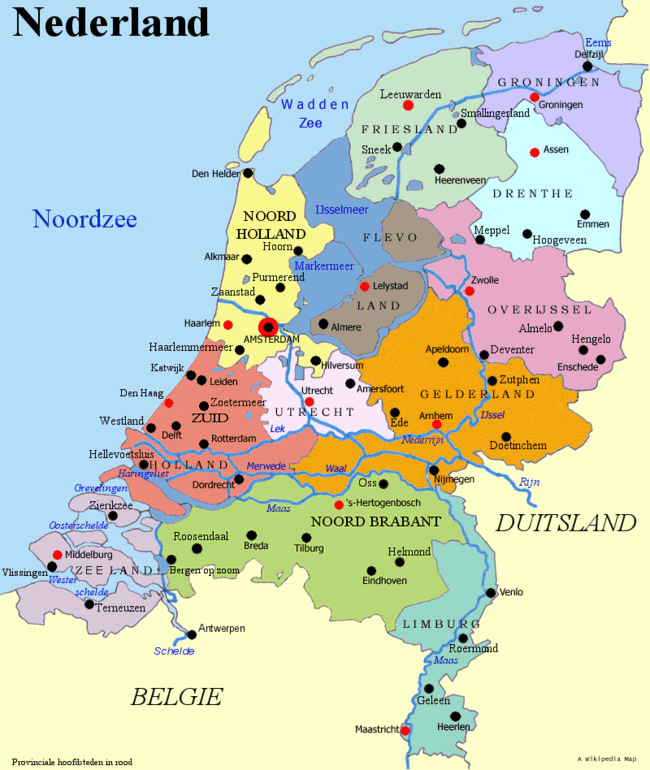
The Netherlands, a flat, innovative nation in Northwestern Europe where much of the land lies below sea level, captivates with its masterful battle against the sea through dikes, windmills, and polders, blending rich history, vibrant culture, and bike-friendly cities into an irresistible destination for travelers seeking charm and modernity.
History and Geography
Shaped by glacial moraines from the last Ice Age and the Rhine-Meuse delta, the Netherlands features low-lying terrain protected by an extensive network of dikes and canals, with its highest point at just 1,053 feet in the southeast. Windmills, introduced in the 13th century, drained lakes to create polders, while the 1932 Afsluitdijk transformed the Zuiderzee into the freshwater IJsselmeer. This engineering prowess turned a flood-prone delta into fertile land dotted with tulip fields and picturesque villages.
Climate and Best Time to Visit
A temperate maritime climate brings mild summers (up to 23°C) and cool winters, with rainfall year-round and southerly/westerly winds moderated by the North Sea and Gulf Stream. Optimal visiting months are May to September for warmer days and blooming tulips, though April and October offer mild weather too. Expect frequent showers, so pack layers and rain gear.
Distinctive Traits and Attractions
Iconic windmills, expansive tulip fields, and canal-laced cities like Amsterdam define the Dutch landscape, alongside progressive values and world-class museums. Must-sees include Amsterdam's canals and Rijksmuseum, Utrecht's historic center, and Keukenhof gardens. Bike everywhere in this flat, pedestrian-friendly country renowned for art, cheese markets, and Hanseatic towns like Deventer.
Useful Facts about Netherlands
Airport
Amsterdam Rotterdam
Time Difference
GMT+1
Visa Requiered
Population
17.53 million
Currency
Euro
Capital
Amserdam
Int.Dial Code
+31
Languages
Dutch
Voltage
220V -240V
Credit Card


.jpg)

Best Time to Visit
The Netherlands enjoys a temperate maritime climate influenced by the North Sea and Gulf Stream, featuring mild winters, cool summers, and consistent rainfall year-round without a true dry season.
Seasonal Breakdown
Spring (March-May) sees temperatures rising from 9°C in March to 18°C in May, with blooming tulips and the driest conditions, though showers persist. Summer (June-August) brings averages of 17-20°C (up to 25°C highs), ideal for outdoor pursuits amid frequent but short rains. Autumn (September-November) cools to 10.6°C on average, marking the wettest period with November's heaviest precipitation around 85mm. Winter (December-February) stays mild at 2-6°C, occasionally snowy but rarely severe.
May to September offers the most pleasant weather for cycling, festivals, and sights like Keukenhof gardens, with longer days and tulip fields peaking in April-May. Shoulder seasons (April, October) provide milder crowds and lower costs, despite rain. Pack layers and waterproof gear anytime, as rain totals about 850-865mm annually, evenly spread.

Getting here
-
Amsterdam Airport Schiphol (AMS), Europe's fifth-busiest hub handling over 17 million passengers quarterly in 2025, serves as the primary gateway with 440 routes including major airlines like KLM, easyJet, Transavia, Vueling, British Airways, Ryanair, and Aer Lingus to destinations such as Barcelona, London Heathrow, and Dublin. Eindhoven and Rotterdam The Hague airports handle low-cost and regional flights from carriers like Ryanair and Transavia. From Schiphol, trains (NS every 10 minutes to Amsterdam Centraal, 16 min, €4-9), buses (N97 Niteliner or TERRAVISION, 25 min, €7), taxis, or private transfers connect efficiently to the city.
-
Trains and Buses
-
High-speed Eurostar from London/UK, Thalys/ICE from France/Germany/Belgium, and Intercity trains link major European cities directly to Dutch stations like Amsterdam Centraal without border checks in the Schengen Area. Cross-border buses from FlixBus or similar operators reach Dutch cities affordably from hundreds of European points. Night services like N97 bus or hourly trains operate from Schiphol.
-
Car Rental and Driving
-
Rent cars at Schiphol or city offices from Hertz, Sixt, or Europcar; cross borders freely into Belgium/Germany as Schengen members, but check rental policies for international use. Roads are excellent with toll-free highways, though congestion charges apply in Amsterdam.
-
Visa and Entry
-
Schengen visa-free for up to 90 days in 180 for tourists from 60+ visa-exempt countries; EU/EEA/Swiss citizens enter freely. From mid-2026, non-EU visitors need ETIAS online authorization (€7, valid 3 years); EU's Entry/Exit System (EES) rolls out October 2025 for biometrics on entry. No border controls with neighbors; valid passport/ID required.
Find Flights To Netherlands

getting around
The Netherlands offers efficient and affordable ways to get around, primarily via an integrated public transport network of trains, buses, trams, and bikes, making it easy even for tourists. Biking dominates for short urban trips due to the flat terrain and extensive paths, while trains connect cities quickly. Use 9292.nl or the NS app for planning routes across all modes.
Biking
Bicycles and e-bikes are the Dutch favorite for city travel, with rentals available at stations for 5-15 EUR per day; OV-fiets at train stations is convenient for short hops. The cycle junction network (fietsknooppuntennetwerk) aids navigation for day trips, and helmets are optional but recommended. This mode reaches beaches and rural areas inaccessible by other transport.
Trains
Nederlandse Spoorwegen (NS) runs frequent Intercity (fast, major stops) and Sprinter trains covering the compact country in under 3 hours max (e.g., Amsterdam to Maastricht). Fares start low with OV-chipkaart; buy tickets via ns.nl and note first-class or silent options. Stations often adjoin buses for seamless transfers.
Buses and Trams
Buses reach rural spots with zonal ticketing via OV-chipkaart (one-way from 4 EUR); many run on renewable energy and require advance booking in remote areas. Trams serve Amsterdam, Rotterdam, Utrecht, and The Hague from city centers, ideal for short urban legs with dedicated lanes. Park & Ride schemes outside cities save on parking costs.
Cars and Tips
Driving suits remote areas but faces heavy traffic, scarce parking (use apps or Park & Ride), and bike-aware roads; non-EU licenses work up to 185 days. For tourists, public options are cheaper and greener—get an OV-chipkaart for all transport. No domestic flights needed due to the small size.

Things To See & Do
Here are a few standout things to do and see in the Netherlands, chosen to mix iconic sights with more local-feeling nature and culture. I’ll keep it to a focused short list so it’s usable for trip planning.
Iconic Dutch culture & canals
Van Gogh Museum
Open until 5 PM
Van Gogh Museum (Amsterdam) – See the world’s largest collection of Van Gogh’s paintings, sketches, and letters; book timed tickets in advance as it often sells out.
Anne Frank House
Open until 10 PM
Anne Frank House (Amsterdam) – Visit the secret annexe where Anne Frank and her family hid during WWII; tickets are only sold online for specific time slots and should be reserved well ahead.
Vondelpark
Vondelpark (Amsterdam) – Relax like a local with a walk or bike ride through Amsterdam’s most famous park, ideal for a picnic between sightseeing stops.
Castles, cities & family attractions
De Haar Castle
Open until 4:30 PM
De Haar Castle (near Utrecht) – A fairy‑tale neo‑medieval castle with landscaped gardens and events, perfect as a half‑day trip from Utrecht or Amsterdam.
Dom Tower
Open until 5 PM
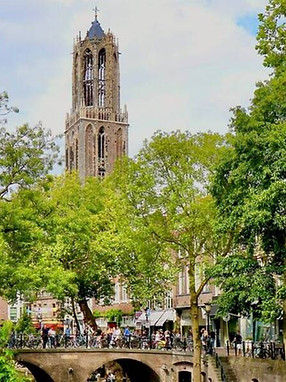
Dom Tower (Utrecht) – Climb the 95‑meter Gothic tower for panoramic views and then wander Utrecht’s canals, which many travellers find even cosier than Amsterdam’s.
Madurodam
Open until 5 PM
Madurodam (The Hague) – An open‑air miniature Netherlands with detailed models of Dutch cities, landmarks, and dikes; very popular and easy with kids.
DierenPark Amersfoort
Open until 5 PM
DierenPark Amersfoort (Amersfoort) – A family‑friendly zoo where you can combine animal viewing with rope bridges and play areas for children.
|
Other highly recommended experiences include cycling through the tulip fields in the Bollenstreek/Keukenhof area in spring, windmills at Kinderdijk, exploring Hoge Veluwe National Park, plus the Kröller‑Müller Museum for more Van Gogh, and mudwalking (wadlopen) on the Wadden Sea if you like more adventurous, nature‑focused activities.

Amsterdam Travel Guide
Amsterdam captivates visitors as the vibrant capital of the Netherlands, a canal-laced metropolis blending historic charm with modern tolerance, serving as a premier hub for culture, art, and urban exploration.
History and Geography
Originating as a 12th-century fishing village at the Amstel River's mouth, Amsterdam evolved into a global trade powerhouse during the 17th-century Dutch Golden Age, with its name deriving from the dam built to control flooding. Situated in western Netherlands on flat, low-lying polders below sea level, the city spans the IJ inlet connected to the North Sea via canals, featuring over 100 km of waterways earning it the nickname "Venice of the North."
Climate and Characteristics
Amsterdam enjoys a temperate maritime climate with mild winters (around 6°C) and cool summers (up to 15-20°C), accompanied by frequent rain that keeps its parks lush year-round. Distinctive traits include narrow gabled houses, over 2,500 houseboats, a permissive vibe since the 1960s, and iconic elements like bicycles, windmills, and tulips.
Key Attractions
Top draws encompass world-class museums such as the Rijksmuseum and Van Gogh Museum, the poignant Anne Frank House, the Royal Palace, Vondelpark, and scenic canal cruises through the UNESCO-listed Grachtengordel.
Practical Info
Spring (April-June) or autumn (September-October) marks the optimal visiting time for tulip blooms, fewer crowds, and pleasant weather. The euro (€) is the currency, and Dutch is official, though English is widely spoken.

Best Time To visit
April or September-October stands out as the best times to visit Amsterdam, offering mild weather (6-18°C), fewer crowds than peak summer, and seasonal highlights like tulips or autumn foliage.
Spring (March-May)
Tulips bloom late April-early May at Keukenhof, with comfortable 6-17°C days ideal for parks and biking, though showers occur; shoulder season means lower prices and shorter lines.
Summer (June-August)
Warmest at 12-22°C with long days for canal cruises and festivals, but expect peak crowds, higher costs, and rain; perfect for outdoor vibes despite busier attractions.
Autumn (September-November)
Pleasant 8-18°C with colorful leaves and events like Amsterdam Dance Event, fewer tourists post-summer, and moderate rain; great value for sightseeing.
Winter (December-February)
Chilly 2-6°C with festive lights and markets (excluding pricier holidays), cheapest rates but wet/cold limits outdoors; cozy for museums and cafés.
Getting There
Reach Amsterdam primarily via Schiphol Airport (AMS), Europe's fourth-busiest hub handling over 66 million passengers in 2024, with 440 routes in 2025 served by major airlines like KLM, EasyJet, Transavia, British Airways, Vueling, Ryanair, Aer Lingus, and newcomers such as IndiGo, Oman Air, and WestJet.
Airport Transfers
Trains from Schiphol to Amsterdam Centraal run every 8 minutes, taking 16-18 minutes for €12.40 round-trip (2025 prices). The Connexxion 397 Express Bus reaches the city center in 30-40 minutes for €11.75 return, operating 5am-midnight; taxis/Uber/Bolt take 30-45 minutes at €50-60, with private shuttles available 24/7.
Other Transport Options
High-speed trains like Thalys/Eurostar connect from major European cities (e.g., Paris in ~3 hours, Brussels in 2 hours) to Amsterdam Centraal. Buses such as FlixBus or BlaBlaCar run from cities like Madrid (25 hours, ~€100) or Barcelona (22 hours). Car rentals start at €45/day at Schiphol, with a 30-60 minute drive to the center depending on traffic; no border crossings within Schengen Area.
Visa Requirements
Schengen short-stay (Type C) visa needed for non-exempt tourists (up to 90 days): valid passport (3+ months beyond stay), photos, itinerary, finances, and fees (€90 adults, €45 kids 6-12 in 2025); ETIAS pre-authorization required for visa-free travelers starting mid-2025. Long-stay (Type D) for work/study needs additional permits.
Find Flights To Amsterdam
How to get around
Amsterdam's public transport, operated by GVB through 2036, features an efficient network of 5 metro lines, 15-18 trams, 34-50 buses, and free ferries for seamless city navigation.
Biking and Walking
Bicycles dominate with 800km of paths; rent via apps like Donkey Republic or shops (€10-15/day), locking securely at stands. Walking suits compact center (e.g., Jordaan to Dam Square in 20 mins); use Google Maps for pedestrian routes.
Public Transport Options
GVB trams (iconic, frequent to attractions like Museumplein) run 6am-midnight; metros (e.g., North-South line) for suburbs; buses cover outskirts with night services post-0:30am. Free IJ ferries from Centraal Station to Noord every 4-15 mins, bikes allowed.
Tickets and Fares
Cashless system: GVB 1-day pass €9 (unlimited trams/buses/metro), multi-day €6.10-9.50/day via app/OV-chipkaart; I amsterdam City Card adds attractions (€65+/day). Check in/out per ride; buy online/app to skip machines.
Taxis, Rideshares, and Driving
Uber/Bolt/taxis €2.50/km, €50 airport-city (avoid rush hour); driving discouraged due to congestion, ZTL zones, €6.50/day parking. Ferries/trains supplement for day trips.
Attractions
Amsterdam offers an exceptional mix of canals, Golden Age architecture, world-class museums, and deeply moving historical sites that can fill several days of exploring.
Major Museums
-
Rijksmuseum
The national museum showcases Dutch art and history, including works by Rembrandt and Vermeer, in a grand 19th‑century building on Museumplein.
Open daily roughly 9:00–17:00; adult tickets are around €22.50, with free entry for children under 18 and timed slots recommended.
Visit early morning or late afternoon to avoid peak crowds and book tickets online in advance. -
Van Gogh Museum
Holds the largest collection of Van Gogh’s paintings and drawings, tracing his life from the Netherlands to France.
Typically open daily 9:00–18:00 (later on some days); adult admission is around €22 with mandatory online, timed tickets.
Aim for weekday visits, and budget at least 1.5–2 hours inside. -
Anne Frank House
A preserved canal house where Anne Frank and her family hid, now a powerful museum about her life and the Holocaust.
Open daily, usually from about 9:00–22:00 in high season, with adult tickets around €16–€18 and pre‑booked online time slots only.
Book weeks ahead for popular dates; evenings can be slightly less crowded.
Historic Sights and Neighborhoods
-
Canal Belt (Grachtengordel)
The 17th‑century ring of canals is a UNESCO World Heritage Site, lined with gabled houses, bridges, and houseboats.
Canal cruises run throughout the day and evening, usually €18–€30 for 60–75 minutes, with audio guides in multiple languages.
Evening or sunset cruises give atmospheric views; smaller boats feel more intimate. -
Dam Square and Royal Palace
Dam Square is the historic heart of Amsterdam, home to the 17th‑century Royal Palace, the National Monument, and Nieuwe Kerk.
The palace is open to visitors on most days when not used for state events, typically 10:00–17:00, with entry around €12.50.
Combine with a walk along nearby shopping streets Kalverstraat and the Nine Streets. -
Jordaan District
A former working‑class neighborhood turned charming area of narrow streets, independent boutiques, cafés, and art galleries.
Free to wander at any time; many shops open roughly 10:00–18:00, with late openings on some evenings.
Visit in the morning for quiet streets, or on Saturdays to catch local markets.
Parks, Markets, and Local Life
-
Vondelpark
Amsterdam’s most famous park offers lakes, lawns, cafés, and summer open‑air performances.
Open 24/7 with free entry, and bike rentals nearby from about €10–€15 per day.
Go on a sunny morning or early evening; it is ideal for cycling or picnicking between sightseeing stops. -
Albert Cuyp Market & De Pijp
A lively street market selling fresh produce, Dutch snacks like stroopwafels, and everyday goods in the trendy De Pijp area.
Usually open Monday–Saturday roughly 9:00–17:00 with free entry; budget extra cash for food and small purchases.
Arrive before noon to avoid the biggest crowds and combine with cafés in De Pijp. -
A’DAM Lookout & IJ Waterfront
Across the IJ river from Centraal Station, the A’DAM Tower offers a panoramic observation deck and “Over the Edge” swing.
Open daily until late evening; deck tickets start around €15–€18, with extra for the swing.
Take the free ferry from behind Centraal Station (24/7) and visit around sunset for the best skyline views.
Practical Tips, Photos, and Maps
Most top sights offer downloadable maps and suggested routes on their official websites, and city tourist sites provide interactive maps that layer museums, attractions, and transit lines for easy itinerary planning. High‑quality photos and map views are available on these official and tourism pages; travelers can use them as visual references while planning, while always respecting copyright and avoiding unlicensed reuse.

Activities
Amsterdam provides diverse outdoor pursuits amid its parks and nearby nature reserves, alongside immersive cultural classes and vibrant nightlife in walkable districts.
Outdoor Activities
-
Biking in Vondelpark or Amsterdamse Bos
Cycle flat, scenic paths through Vondelpark (city center, Zuid) or the expansive Amsterdamse Bos (10km south, reachable by tram 24/25). Rentals cost €10-15/day from shops like MacBike near Centraal Station.
Tip: Rent city bikes with locks; go early mornings or weekdays to dodge crowds, wear helmets, and yield to locals—traffic flows fast. -
Hiking in Amsterdamse Bos or Waterleidingduinen
Explore 7 trails in Amsterdamse Bos (Amstelveenveerweg 20, south via metro 25) or deer-filled dunes at Waterleidingduinen (Vogelenzang entry, 20km west by bus/train). Free entry; e-bike rentals €25-40/day for longer loops.
Tip: Pack water/snacks, check AllTrails app for 5-15km routes; spring/fall best for weather, spot wildlife at dawn/dusk.
Cultural Experiences
-
Dutch Cooking Classes (Pancake Workshops)
Hands-on sessions in central homes or De Pijp (e.g., Viator-listed locals), learning stroopwafels/pannenkoeken with tastings. €27-106/person (2 hours, groups vary).
Tip: Book via Viator/TripAdvisor for English guides; vegetarian options available, arrive hungry—pairs well with market visits. -
Dance Performances at IJmuiden or Theaters
Catch contemporary shows at Muziekgebouw (IJ-oever, north via free ferry) or Nederlands Dans Theater previews. Tickets €20-50; evenings 19:30-22:00.
Tip: Check Iamsterdam.com calendar; combine with A'DAM Tower views; dress smart-casual, pre-book for sold-outs.
Entertainment Options
-
Nightlife with Amsterdam Nightlife Ticket
Access clubs like Stone's, Kings Cross (Rembrandtplein/Leidseplein), free entry + drinks for €10 (2-day pass).
Tip: Use Thursday-Sunday; avoid overpriced center bars, stick to trams (€3/ride) over taxis, pace with free shots—closes ~5am. -
Shopping in Jordaan or Nine Streets
Browse boutiques Nine Streets (between canals, center) or Albert Cuyp Market (De Pijp). Free entry; stroopwafels €2-5, vintage €20+.
Tip: Weekday mornings quietest; haggle lightly at markets, use contactless pay—ideal post-bike for souvenirs
Foods
Best local Dutch dishes to try in Amsterdam
Amsterdam's culinary scene highlights hearty, comforting Dutch classics rooted in the Golden Age, often featuring potatoes, meat, and seafood, best sampled at markets or casual eateries.
Iconic Snacks and Street Foods
-
Stroopwafels: Thin waffle cookies sandwiching gooey caramel syrup, invented nearby in Gouda; try fresh off the griddle at markets like Albert Cuyp (€2-4 per pair).
Order "warm" for a melting syrup; pair with coffee—perfect for a portable treat while strolling along the canal. -
Bitterballen: Crispy fried meatballs filled with beef ragout, a bar staple; find at FEBO wall vending machines or Foodhallen (€3-6 for 6-8 pieces).
Dip in mustard; best hot from automats late at night, avoiding sogginess. -
Haring (Raw Herring): Freshly caught herring eaten raw with onions and pickles, or as a broodje haring sandwich; seasonal peak May-July at street carts (€5-8).
Hold by tail, eat whole; start with a sandwich if squeamish—ubiquitous at markets.
Hearty Mains
-
Pannenkoeken (Dutch Pancakes): Large, thin crepes, sweet or savoury (e.g., bacon-cheese or apple-syrup); at Pancakes Amsterdam or De Carrousel (€10-15).
Share one per person; adventurous toppings like camembert-raspberry shine—book for weekends. -
Stamppot: Mashed potatoes mixed with veggies like kale, topped with sausage or meatballs; traditional winter dish at 't Heemelrijck (€15-25).
Opt for rookworst sausage; cosy in brown cafés during cold months.
Sweets and Sides
-
Poffertjes: Fluffy mini buckwheat pancakes dusted with powdered sugar, often with fruit; at Dutch Pancake Masters or markets (€4-7).
Sweet or savory; fresh batches best—great post-bike snack. -
Kroket: Deep-fried croquettes with veal or shrimp ragout; FEBO automats or frietkotten (€3-5).
Mustard essential; shrimp satay variant for variety—quick lunch grab.
Where to stay in Amsterdam
Some Recommended accomodation in Amsterdam

-
Fashion Hotel Amsterdam is located opposite the World Fashion Center, within ring road A10. Schiphol Airport and Amsterdam RAI convention center are 10 minutes by car. Vondelpark and Leidseplein can be reached in 10 minutes by tram or bicycle. In this design hotel you will experience service and comfort with a stylish touch! Visit restaurant Mme Coco - with outside terrace - or enjoy a cocktail in the SKYY Bar. Satisfy your senses at WellCome Wellness, with 2 saunas, Turkish steam bath (for a fee), indoor pool and work out at the gym room (free of charge), will complete your luxurious stay.


Safety tips
Amsterdam ranks among Europe's safer cities for tourists, with low violent crime rates but elevated risks of pickpocketing in crowded areas like Centraal Station, Dam Square, and the Red Light District.
Local Customs and Sensitivities
Respect Dutch directness in communication and prioritize cycling etiquette by never walking in bike lanes, as locals cycle assertively. Avoid public intoxication near canals without barriers, urinating in water (illegal), or photographing sex workers in the Red Light District without consent; stick to well-lit paths after dark.
Health Concerns
No specific vaccinations beyond routine ones are required for most travelers, but check for hepatitis A/B if needed; food is generally safe from reputable vendors, though go easy on strong cannabis edibles or mushrooms in coffeeshops if inexperienced. Tap water is safe to drink, and pharmacies are widespread for minor issues.
Crime Rates and Safety
Petty theft like pickpocketing and bike theft dominates concerns, especially in tourist hotspots (Centrum, Museum Quarter), trams, and early-morning Red Light District; violent crime is rare, but avoid Amsterdam-Zuidoost and dark alleys. Use money belts, double-lock rentals, and apps like "find my phone"; traffic accidents from bikes/trams pose bigger daily risks than crime.
Emergency Contacts
Dial 112 for police, fire, or ambulance (EU-wide); non-emergency police is 0900-8844. Tourist police patrol busy areas, and British/Irish/Finnish consulates assist nationals; carry passport/ID at all times.