
_edited.png)
Espetos de Sardinas: Explore The Traditional Delicacy of Málaga


Skewers, especially sardine skewers (espetos de sardinas), are a fundamental part of Malaga's cuisine. Both residents and visitors greatly appreciate them, making them one of the most popular dishes in beach bars and restaurants along Malaga's extensive coastline.
The sardine skewers of Malaga have become a symbol of cultural identity, as recognized by the monument to the espetero located on the Antonio Machado Promenade, near Misericordia Beach in Malaga.
Enjoying Espetos in Malaga is a vital part of the lifestyle and sentiments of its people. It is a unique aspect of Malaga's cuisine and an additional draw for tourists. This ancient culinary specialty is deeply connected to Malaga and the rest of Andalusia. The sardine skewer is also associated with the popular moraga festival.
Various groups and associations aim to preserve the knowledge and skills involved in preparing the sardine skewer. They have therefore requested that UNESCO recognize it as an Intangible Cultural Heritage of Humanity.
In nearly every coastal town in Andalusia, you can enjoy sardine skewers, as well as other fish and mollusks, in local bars. While sardine skewers are the most famous, many other types of fish are prepared this way as well. When placed on a cane and grilled over embers on the sandy beaches, fish and mollusks acquire a unique flavor. Skewers of horse mackerel, gilt-head bream, and sea bass are delicious, as are those of squid or octopus. Have you had the opportunity to try them yet?
The History of Espeto

The precise origins of the sardine skewer are unclear. Historical evidence places its existence at the end of the 19th century. The painting "La Moraga" (1879) by Malaga artist Horacio Lengo showcases this method of cooking sardines on Malaga's beaches. A chronicle from King Alfonso XII's visit to the Axarquía in January 1885 mentions that he enjoyed its renowned skewers. The first commercial establishment offering sardine skewers was already operating in El Palo by 1882.
Local historians concur that fishermen were the ones who initiated this unique way of consuming sardines in Malaga. They utilized surplus fish and nearby cane fields to prepare the skewers.

How to Make Espetos
Even though it seems straightforward, preparing espeto involves some techniques. To do it correctly, the fish must be skewered through its stomach and a specific lateral spine using a pre-prepared cane branch. Then, the branch is placed in the sand near the fire, and coarse salt is sprinkled on the fish. In Costa del Sol, this is often done in a sand-filled boat where the fire grills the fish. We suggest capturing this moment with a photo to preserve not just the aroma but also one of Malaga's most iconic images.


Interesting facts about sardine espetos
Ancient origins: The tradition of grilling sardines on espetos along the Malaga coast dates back over a century, originating with local fishermen.
Special technique: The espeto involves skewering sardines on bamboo canes and grilling them over coals on the beach.
Freshness and flavour: Sardines are cooked with their skin intact, providing a unique, juicy flavour that highlights their freshness.
Festivities: Espetos are a staple at many local festivals and fairs in Malaga, symbolising the region’s culinary culture.
Variety of fish: While sardines are the most common, other fish like dorada and lubina can also be grilled on espetos.
Ways to Eat Sardines

An espeto usually consists of four or five sardines and is enjoyed by hand. A simple squeeze of lemon is enough to season this delicious dish that pleases the palate. There's a Spanish expression for a meal that's exceptionally tasty: "está para chuparse los dedos" (it's finger-licking good). This is precisely what people do after savoring espeto, as its flavor is both intense and delightful.
Espetos are traditionally prepared with sardines, but over time, new variations have emerged. Consequently, some restaurants opt for gilt-head breams or even prawns, though this is less common. It's more common to find these dishes referred to as brochettes rather than espetos. Additionally, in some locations, the cane skewer has been substituted with a steel rod.
The preferred beverage to accompany Espetos

Espeto should be paired with an ice-cold beverage. While spending your summer on the Costa del Sol, make sure to sit at a beach bar and order some sardines with a beer or a tinto de verano. While any drink can accompany it, these are the top choices. The combination creates an explosion of flavors in your mouth, blending the marine taste of the fish with the bitterness of the beer, or the smooth texture of wine with lemon.
Tips for making espetos at home
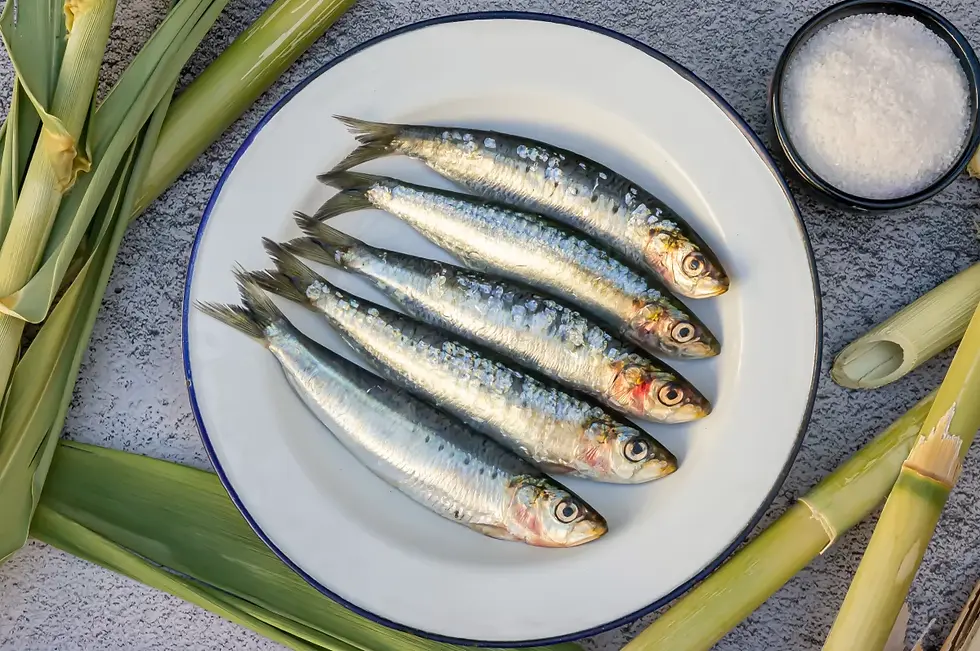
Choosing the fish: Opt for fresh, medium-sized, shiny sardines. Freshness is crucial for a good espeto.
Alternative utensils: If a traditional barbecue is unavailable, an electric grill or a griddle can be used. Skewers can serve as substitutes for bamboo canes.
Salting: Sprinkle coarse salt on the sardines before skewering. Allow them to rest for a few minutes to enhance the flavor.
Cooking: Cook over medium heat, turning occasionally to ensure even cooking. They are done when the skin becomes golden and crispy.
Smoky flavour: For a smoky aroma, add wood chips to the electric grill.
Savor your homemade espetos with a fresh salad and a glass of white wine.

Best time to eat sardines:
Sardines are at their best from May to October, as they are plumper and more flavorful during this time due to their sea diet. This is why the saying advises against eating sardines in months with an "R," meaning from September to April.
Savor this classic delicacy from the Malaga coast and uncover why it is considered a genuine gastronomic treasure.
Where to eat the best Espetos de Sardinas


Comments