
_edited.png)
Exploring Cuenca's Casas Colgadas: A Marvel of Gothic and Abstract Art Over the Huecar Gorge

Cuenca, a city in central Spain, offers a unique blend of history and art that captures the imagination of every visitor. At the heart of this experience lie the Casas Colgadas, or Hanging Houses, which cling dramatically to the edge of the Huecar Gorge. These houses are not just architectural wonders but also a striking fusion of gothic stone craftsmanship and bold abstract art. This post takes you on a journey to discover the charm, history, and artistic significance of Cuenca’s most famous landmark.

The History Behind the Hanging Houses
The Casas Colgadas date back to the 15th century, originally built as homes for noble families. Their precarious position on the cliffs above the Huecar Gorge was both a defensive strategy and a statement of status. The gothic stone walls and wooden balconies reflect the medieval architecture typical of that era, designed to withstand time and nature.
Over centuries, these houses have witnessed the evolution of Cuenca from a fortified town to a vibrant cultural hub. Despite damage and restorations, the Casas Colgadas have retained their original charm, making them a living piece of history.
Architectural Features That Defy Gravity
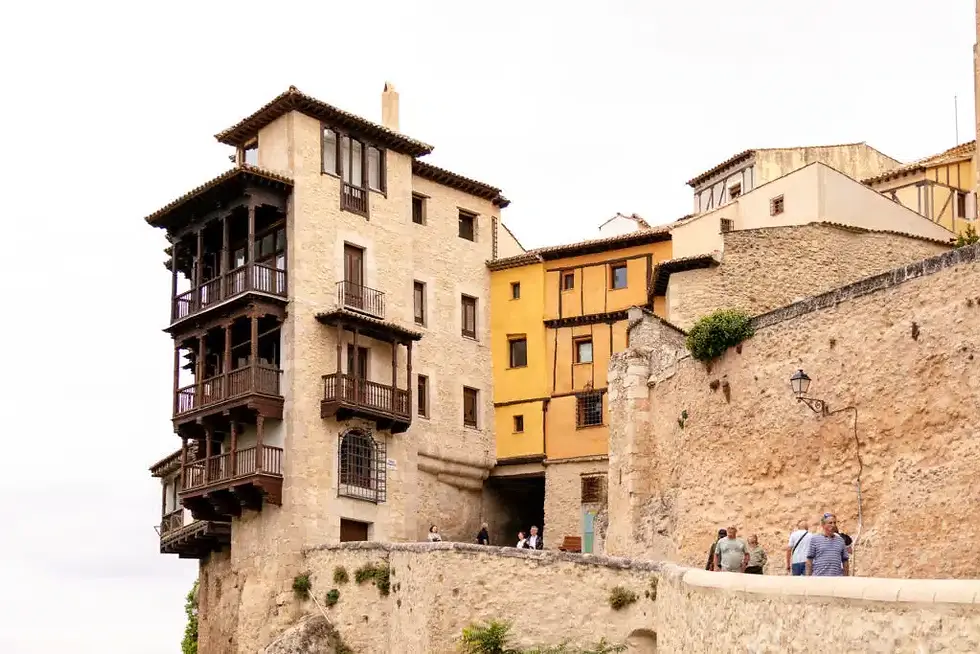
What makes the Casas Colgadas so fascinating is their daring construction. The houses extend beyond the cliff’s edge, supported by wooden beams and stone foundations embedded into the rock face. This design creates the illusion that the buildings are floating over the gorge.
Inside, the gothic influence is evident in the pointed arches, stone walls, and narrow windows. Outside, the wooden balconies offer breathtaking views of the river below and the surrounding landscape. The combination of stone and wood creates a striking contrast that enhances the houses’ dramatic appearance.
Visitors can explore some of these houses, now converted into museums and restaurants, to experience firsthand the blend of medieval architecture and modern use.
The Artistic Transformation: Abstract Art Meets Gothic Stone

In recent decades, Cuenca has embraced contemporary art, turning the Casas Colgadas into a canvas for abstract expression. The city’s art scene is vibrant, with galleries and installations that challenge traditional aesthetics.
One of the hanging houses hosts the Museum of Abstract Art, which showcases works by Spanish and international artists. The museum’s location within a gothic structure perched on a cliff adds a layer of contrast and intrigue. The sharp lines and bold colors of abstract paintings stand out against the rough stone walls, creating a dialogue between past and present.
This fusion of gothic stone and abstract art symbolizes Cuenca’s identity: a city rooted in history but open to innovation and creativity.

Experiencing Cuenca: Practical Tips for Visitors
To fully appreciate the Casas Colgadas and their surroundings, plan your visit with these tips:
Best time to visit: Spring and autumn offer mild weather and fewer crowds.
Guided tours: Join a local guide to learn detailed stories about the houses’ history and architecture.
Museum hours: Check the Museum of Abstract Art’s schedule in advance, as it may vary seasonally.
Photography: Early morning or late afternoon light highlights the textures of the stone and wood, perfect for photos.
Nearby attractions: Explore the old town’s narrow streets, gothic cathedral, and the San Pablo Bridge for panoramic views.
Walking along the gorge’s edge, visitors can feel the thrill of standing close to the hanging houses, imagining the lives of those who once lived there.
The Cultural Impact of Casas Colgadas on Cuenca
The Casas Colgadas are more than just a tourist attraction; they are a symbol of Cuenca’s resilience and creativity. The city’s commitment to preserving these houses while integrating contemporary art has boosted cultural tourism and local pride.
Events and festivals often use the hanging houses as a backdrop, blending history with modern celebrations. This ongoing relationship between the past and present enriches Cuenca’s cultural fabric and invites visitors to explore beyond the surface.

Final Thoughts on Visiting Cuenca’s Hanging Houses
The Casas Colgadas offer a rare chance to witness how architecture and art can coexist in harmony, perched on the edge of nature’s dramatic landscape. This blend of gothic stone and abstract art creates a unique atmosphere that tells stories of history, innovation, and human daring.
When you visit Cuenca, take time to explore the hanging houses from different angles, visit the museum inside, and walk the paths along the Huecar Gorge. This experience will deepen your appreciation for how a city can preserve its heritage while embracing new artistic expressions.


Comments