
_edited.png)
Exploring the Enchanting Labs of Córdoba's Moorish Heritage

Córdoba, often called the City of Caliphs, invites travelers to explore a unique blend of Roman history and Moorish architecture. This Spanish city is famous for its stunning Mezquita-Catedral and its whitewashed patios bursting with colorful flowers. Walking through Córdoba feels like stepping into a labyrinth where every turn reveals a new piece of history and artistry. This post guides you through the heart of Córdoba’s Moorish heritage, highlighting the architectural marvels and cultural treasures that make this city unforgettable.
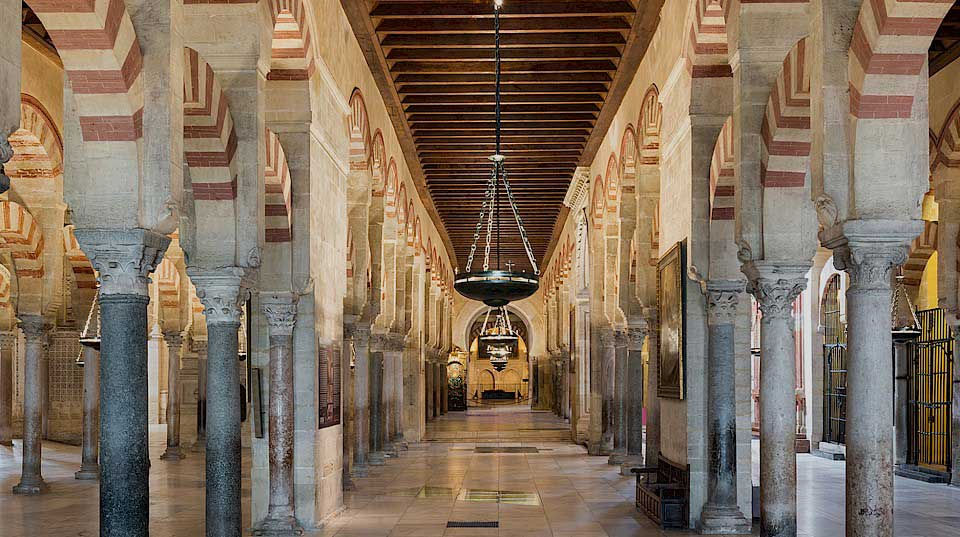
The Mezquita-Catedral: A Masterpiece of Moorish Architecture
The Mezquita-Catedral de Córdoba stands as the city’s most iconic landmark. Originally built as a mosque in the 8th century, it was later converted into a cathedral. This building perfectly captures the fusion of Islamic and Christian influences. Visitors are often struck by the forest of red and white horseshoe arches that fill the prayer hall, creating a mesmerizing visual rhythm.
The structure’s history reflects Córdoba’s complex past. It was once the heart of the Caliphate of Córdoba, a powerful Islamic state in medieval Spain. The Mezquita’s design influenced architecture across the region, showcasing the skill and creativity of Moorish builders. Today, it remains a place of worship and a symbol of cultural coexistence.
Discovering Córdoba’s Whitewashed Patios
Beyond the Mezquita, Córdoba’s charm lies in its patios. These small courtyards, often hidden behind plain doors, are filled with flowers, fountains, and vibrant tiles. The tradition of decorating patios dates back to Roman times but flourished under Moorish rule, when water and greenery were essential for comfort in the hot climate.
Each May, Córdoba hosts the Patio Festival, where locals open their private patios to visitors. This event offers a rare chance to see the city’s floral artistry up close. The patios are not only beautiful but also practical, providing shade and cool air during summer months.

Walking Through the Labyrinth of Córdoba’s Old Town
Córdoba’s old town is a maze of narrow streets and alleys that reveal layers of history. Walking here feels like exploring a living museum. The layout reflects the city’s Roman origins and Moorish urban planning, designed to provide shade and privacy.
Key spots to visit include:
Jewish Quarter (La Judería): A historic neighborhood with winding streets, synagogues, and artisan shops.
Roman Bridge: Spanning the Guadalquivir River, this bridge dates back to the 1st century BC and offers stunning views of the city.
Alcázar de los Reyes Cristianos: A fortress with beautiful gardens and mosaics, once a royal palace.
Each location tells a story of Córdoba’s diverse past and the many cultures that shaped it.
Practical Tips for Exploring Córdoba’s Moorish Heritage

To make the most of your visit, consider these tips:
Start early to avoid crowds at the Mezquita-Catedral.
Wear comfortable shoes for walking on cobblestone streets.
Visit the patios during the festival in May for the best floral displays.
Hire a local guide to learn about the history behind the architecture and neighborhoods.
Try local cuisine like salmorejo and flamenquín in nearby taverns to complete your cultural experience.
Preserving the Past for Future Generations
Córdoba’s Moorish heritage is carefully preserved through restoration projects and cultural events. The city balances tourism with respect for its historical sites, ensuring that visitors can enjoy the beauty without damaging fragile structures. Local organizations work to maintain the patios and promote traditional crafts, keeping the spirit of the past alive.


Comments