
_edited.png)
Unveiling Trujillo: The Legendary Land of Conquistadors

Updated: Feb 18
Trujillo, a city in Extremadura, holds a unique place in history as the birthplace of some of the most famous conquistadors who shaped the course of the Americas. Exploring Trujillo offers a fascinating journey through time, revealing stories of exploration, conquest, and cultural exchange. This post takes you through the key sights, historical significance, and modern-day charm of Trujillo, inviting travelers and history enthusiasts to discover why this city remains legendary.

The Historical Heart of Trujillo
Trujillo’s history dates back to Roman times, but it gained prominence during the Middle Ages as a strategic fortress town. The Castillo de Trujillo, perched on a hill, dominates the skyline and offers panoramic views of the surrounding plains. This castle was a key defensive structure during the Reconquista and later became the home of several conquistadors.
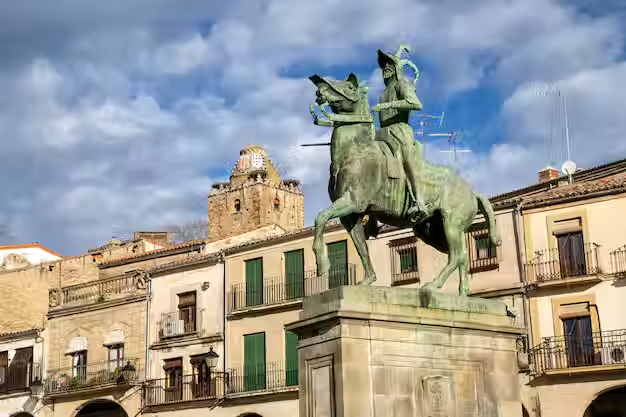
The city’s narrow cobblestone streets and well-preserved architecture reflect its medieval past. Walking through the Plaza Mayor, visitors encounter statues and plaques commemorating figures like Francisco Pizarro, the conqueror of the Inca Empire, who was born here. The square itself is a lively hub, surrounded by historic buildings, cafes, and shops.
Discovering the Conquistadors’ Legacy

Trujillo’s claim to fame lies in its connection to the conquistadors who left Spain to explore and conquer vast territories in the Americas. Francisco Pizarro is the most renowned, but others like Hernando de Soto and Vasco Núñez de Balboa also hailed from this region.
Museums and guided tours in Trujillo provide detailed accounts of their expeditions, the challenges they faced, and the impact of their conquests on indigenous cultures. The Casa Museo de Pizarro offers a glimpse into the life of Francisco Pizarro, displaying artifacts, documents, and period furniture.
Visitors interested in history can learn about the complex legacy of the conquistadors, including the cultural exchanges and conflicts that shaped the New World. This balanced perspective helps understand the city’s role beyond just conquest, highlighting its influence on global history.
Modern Trujillo: Culture and Festivities
Today, Trujillo blends its rich history with vibrant cultural life. The city hosts several festivals that attract visitors from across Spain and beyond. The Festival of the Moors and Christians is a colorful event reenacting battles from the Reconquista with costumes, parades, and fireworks.
Gastronomy in Trujillo also reflects its heritage. Local dishes feature traditional Extremadura flavors, such as migas (fried breadcrumbs with garlic and chorizo) and torta del Casar cheese. The city’s markets and restaurants offer authentic tastes that complement the historical experience.
Art lovers will appreciate the many galleries and artisan shops showcasing local crafts. Trujillo’s blend of past and present creates a welcoming atmosphere for travelers seeking both education and enjoyment.

Practical Tips for Visiting Trujillo
Getting There: Trujillo is accessible by car or bus from Madrid and other major cities. The nearest airport is in Badajoz, about 90 kilometers away.
Best Time to Visit: Spring and autumn offer pleasant weather and fewer crowds. The festival season in September is ideal for cultural immersion.
Accommodation: Options range from charming boutique hotels in historic buildings to cozy guesthouses.
Guided Tours: Consider booking a guided walking tour to fully appreciate the city’s history and hidden gems.
Local Etiquette: Respect local customs, especially during religious festivals and public events.


Comments