
_edited.png)
León Travel Guide: Where Gothic Light Meets Castilian Soul.

Timeless stone, golden sunsets, and the gentle hum of tapas bars in the heart of the Camino.

Let León be your luminous pause between Madrid’s energy and the wild Atlantic north.
León is a compact, walkable city in northwestern Castile and León, known for its dazzling Gothic cathedral, Romanesque treasures, Gaudí architecture, and some of Spain’s most generous free tapas. It sits on the Camino de Santiago, blending pilgrim spirit, local life, and a relaxed food culture that feels authentic yet delightfully accessible.

Why visit León
Architectural icons in a small radiusLeón’s 13th‑century Gothic cathedral is famed for vast stained‑glass windows, considered among the finest in Europe, while the Romanesque Basílica de San Isidoro and Gaudí’s Casa Botines sit within easy walking distance.
Tapas culture and local life. The Barrio Húmedo and Barrio Romántico are legendary for bars that serve complimentary tapas with each drink, making evenings feel festive yet affordable.
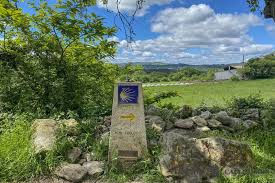
Camino de Santiago atmosphere without the crowds. As a key stop on the Camino Francés, León offers a pilgrim buzz, historic streets, and traditional plazas, but remains relatively under the radar for many international visitors.
Best time to visit
Spring (April–June): Mild temperatures, green countryside, and fewer crowds than summer; Holy Week (Semana Santa) is especially atmospheric, with processions across Castilla y León that can increase both hotel prices and occupancy.
Summer (July–August): Warm, long days and a busy events calendar; domestic tourism peaks, so expect higher prices and fuller bars and terraces, though León is still less crowded than Spain’s coasts.
Autumn (September–October): Ideal weather and the San Froilán festivities (around 5 October), when processions, medieval-style markets, and local gastronomic fairs fill the city—fantastic for culture, but book ahead and budget for higher rates.
Winter (November–March): Quiet, often cold and crisp; this is the best time for budget-friendly hotel deals and uncrowded museums, though some outdoor excursions may feel harsh in bad weather.
Getting there & getting around
Arriving in León
León has its own airport with limited connections, so many visitors arrive via Madrid or other Spanish hubs and continue by train or road. High‑speed and regional trains link León with major cities, making rail a comfortable and time‑efficient choice for Central Spain itineraries.
Public transport and walking
The historic center is compact, flat, and largely designed for pedestrians; most key sights are within about 10 minutes’ walk of each other. Local buses can help reach newer districts and some outlying areas, but walking is generally the most rewarding way to explore.
Driving and parking.
Driving into the old town is not recommended due to narrow cobbled streets and restrictions; instead, park in public or hotel garages slightly outside the core and continue on foot. A rental car is more useful if combining León with rural Castile and León, wine regions, or mountain day trips.

Things to do, itineraries & hidden gems
Essential sights
León Cathedral (Pulchra Leonina): Marvel at its soaring Gothic vaults and stained glass, then linger in the surrounding square at golden hour.
Basílica de San Isidoro & Royal Pantheon: Often called a Romanesque “Sistine Chapel” for its frescoes, this complex combines basilica, pantheon, and museum.
Casa Botines: A striking Gaudí building that brings Catalan modernism to Castile, now hosting exhibitions and a museum.

Walkable itineraries (1–2 days)
Day 1: Cathedral, San Isidoro, Roman walls, and plazas such as Plaza Mayor and Plaza de Santa María del Camino, finishing with tapas in Barrio Húmedo.
Day 2: Casa Botines, MUSAC (Museum of Contemporary Art), Camino de Santiago route segments through the city, and a relaxed evening in Barrio Romántico.
Hidden corners.
Seek out remnants of Roman León integrated into homes and shops along the old walls, especially around quieter backstreets. Lesser‑known squares and side alleys off Plaza Mayor reveal local bars where León’s everyday rhythm unfolds far from the main tourist flows.
Activities
Urban wandering and photography
León reward slow exploration: cobblestone lanes, ancient ramparts, and elegant plazas offer endless angles for photography, especially at sunrise and sunset. A self‑guided walking tour can easily fill an afternoon, linking palaces such as Palacio de los Guzmanes with smaller churches and hidden courtyards.
Camino and cultural experiences.
Following the Camino de Santiago waymarks through town offers a meaningful route past key landmarks while connecting with pilgrims. Add museum visits, concerts, or jazz festivals for a deeper cultural layer during your stay.
Food and wine experiences
Tapas hopping in Barrio Húmedo and Romántico is almost an activity in itself, especially when paired with local DO León wines. Some guided tours combine gastronomy with history, ideal if you want structured insight alongside tastings.

Gastronomy, food & local culture
Tapas tradition León is known for generous tapas that come free with drinks, particularly in the old town bar districts. Classic bites include cured meats like cecina, local cheeses, and warm plates that vary from bar to bar, encouraging an evening of bar‑to‑bar grazing.
Local specialities and wine. The city showcases hearty Castilian dishes and products from the surrounding province, paired with wines from the DO León region. Many venues now blend traditional recipes with more contemporary interpretations, especially near the cathedral and main squares.
Lifestyle and atmosphere León combines a historic setting with an easygoing, lived‑in feel; this is a city where locals fill plazas, markets, and cafés year‑round. The mix of students, families, pilgrims, and visitors keeps the social scene vibrant without tipping into mass‑tourism.
Where to stay (affiliate‑friendly ideas)
Budget
Hostels & budget hotels: Look for central hostels or simple hotels a short walk from the cathedral, ideal for Camino walkers and backpackers keeping costs low.
Budget apartments: Small studios near the old town give you a kitchen and local neighbourhood feel at an affordable rate outside peak festivals.
Mid-range
Boutique hotels: Character-filled stays in restored buildings close to Barrio Húmedo let guests walk to all major sights and tapas streets in minutes.
Family-friendly apartments: Multi-room apartments around the center or near main avenues work well for families wanting space, parking, and self-catering.
High-end
Heritage stays: Upscale hotels in historic buildings or former monasteries deliver an atmospheric base with on-site dining, often favored by couples on short city breaks.
Design hotels & unique stays: Modern design-led properties or special conversions in León’s core appeal to travelers seeking a stylish experience to complement the city’s historic backdrop
One specific inspiration is a heritage‑style stay like Hotel Real Colegiata San Isidoro, often highlighted for its setting beside León’s Romanesque complex.
Safety, essentials & what to wear
Safety overview León is generally considered a safe city, with the usual common‑sense precautions around busy nightlife areas and transport hubs. Keep an eye on belongings in crowded bars or during festivals, when visitor numbers and late‑night activity increase.
What to pack and wear. In spring and autumn, layered clothing, a light jacket, and comfortable walking shoes suit variable temperatures and evening breezes. Summers call for breathable fabrics, sun protection, and a hat, while winters need warm outerwear, a scarf, and waterproof footwear for cold, occasionally wet days.
Practical tipsPlan an afternoon pause: many shops and some sights close for siesta hours, especially outside peak season. Book centrally if you want to walk everywhere and minimize transport costs, and reserve early for festival dates or peak summer weekends.
Conclusion – León travel guide
León is an intimate city where Gothic glass, Romanesque frescoes, Gaudí lines, and the Camino de Santiago converge in a compact, walkable center. Add its legendary tapas culture and year‑round events, and this León, Spain travel guide becomes an essential chapter in any Central Spain itinerary.
FAQs (using real‑world search intent)
Is León, Spain worth visiting?
Yes, León is highly rewarding for a 1–3 day stay thanks to its cathedral, historic quarters, Camino atmosphere, and outstanding tapas culture, all in a manageable size.
How many days do you need in León?
Two full days allow you to see the main sights, enjoy tapas evenings, and sample museums, while an extra day lets you explore at a slower pace or add nearby excursions.
Is León, Spain safe at night?
The central areas are generally safe, and nightlife in Barrio Húmedo and Romántico is lively but relaxed, though standard precautions with valuables are still recommended.
What is León, Spain known for?
León is known for its Gothic cathedral, Romanesque San Isidoro, Gaudí’s Casa Botines, its role on the Camino de Santiago, and its generous free‑tapas tradition.
How do you get to León from Madrid?
High‑speed and regional trains are the most convenient option from Madrid, with road connections available for those renting a car or using buses.


Comments