
_edited.png)
Ronda The Fairytale Cliff A Majestic Journey Through Dramatic Scenery and History

Ronda stands as one of Spain’s most striking towns, perched dramatically on a 120-meter-deep gorge. This natural chasm splits the town in two, connected by the iconic Puente Nuevo bridge. The scene is nothing short of breathtaking, offering visitors a glimpse into a world where nature and history collide. For those seeking stunning views and a deep dive into Spanish culture, Ronda’s blend of dramatic landscapes and rich heritage makes it a must-visit destination.
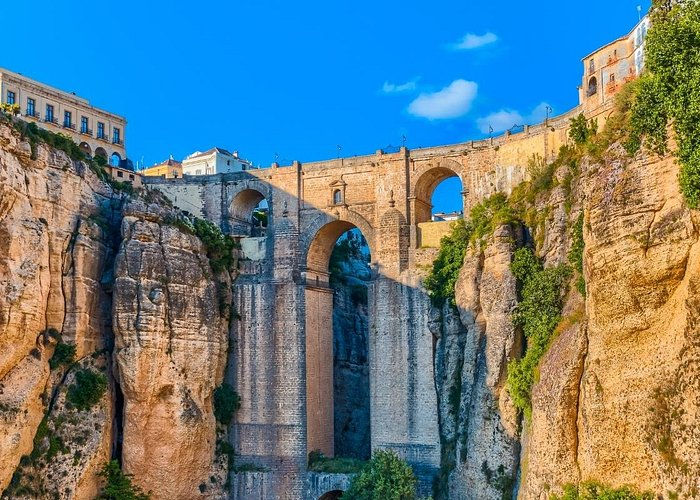
The Dramatic Landscape of Ronda
Ronda’s geography is unique. The town sits on a cliff carved by the Guadalevín River, creating a natural divide that has shaped its history and architecture. The gorge, known locally as El Tajo, plunges 120 meters, offering panoramic views that captivate visitors. Walking along the cliff edges, you can feel the raw power of nature that sculpted this landscape over millennia.
The Puente Nuevo, or New Bridge, is the town’s most famous landmark. Completed in 1793, it spans the gorge with a height that matches the depth below. The bridge not only connects the old Moorish town with the newer parts but also serves as a symbol of Ronda’s resilience and ingenuity. From the bridge, you can see the rugged cliffs, the river far below, and the whitewashed buildings clinging to the edges.
Exploring Ronda’s Historic Heart
Beyond its natural beauty, Ronda offers a rich historical experience. The town’s roots trace back to Roman times, but it flourished under Moorish rule. Narrow cobblestone streets wind through the old quarter, revealing centuries-old architecture, quaint plazas, and hidden corners.
One of the town’s treasures is the Plaza de Toros, the oldest bullring in Spain, built in 1785. This arena is not just a venue for bullfighting but a monument to Spanish tradition and culture. Visitors can tour the bullring and its museum to learn about the history of bullfighting and its significance in Andalusian life.
Nearby, the Arab Baths provide a glimpse into Ronda’s Moorish past. These well-preserved baths date back to the 13th century and showcase the sophisticated engineering and design of the time. The baths’ cool stone chambers and intricate arches transport visitors back to a different era.
Best Spots for Breathtaking Views

Ronda’s dramatic scenery offers numerous vantage points for unforgettable views. Here are some of the best places to experience the town’s natural beauty:
Mirador de Aldehuela: This viewpoint offers a sweeping panorama of the gorge and Puente Nuevo. It’s perfect for photography and quiet reflection.
Balcon del Coño: A lesser-known spot that provides a close-up view of the cliffs and the river below.
Jardines de Cuenca: These terraced gardens on the edge of the gorge combine natural beauty with peaceful walking paths.
Each viewpoint reveals a different angle of Ronda’s dramatic cliffside setting, making every visit unique.
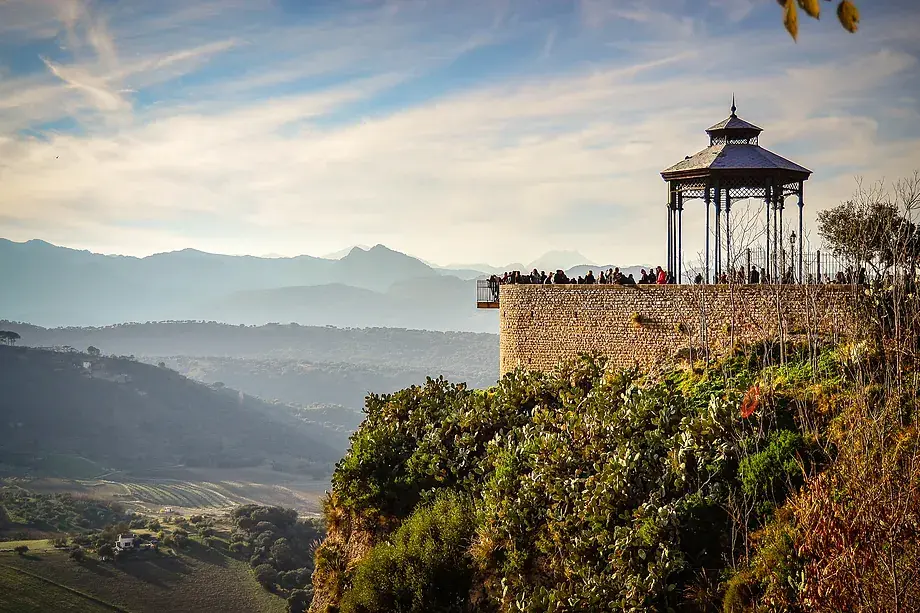
A Writer’s Inspiration in Ronda
The dramatic scenery of Ronda has inspired many writers and artists over the years. The town’s blend of natural beauty and historical depth creates a powerful atmosphere for creativity. Writers often find themselves drawn to the cliff edges, where the vast views spark imagination and reflection.
Ernest Hemingway and Orson Welles are among the famous figures who found inspiration in Ronda. Hemingway’s fascination with bullfighting and Spanish culture is well documented, and Ronda’s bullring played a role in his works. The town’s timeless charm and dramatic setting continue to attract storytellers seeking a place where history and nature meet.
Practical Tips for Visiting Ronda

To make the most of your visit to Ronda, consider these practical tips:
Best time to visit: Spring and autumn offer mild weather and fewer crowds.
Getting there: Ronda is accessible by train and bus from major cities like Malaga and Seville.
Walking shoes: The town’s cobblestone streets and steep paths require comfortable footwear.
Local cuisine: Try traditional Andalusian dishes such as rabo de toro (oxtail stew) and jamón ibérico.
Guided tours: Consider a walking tour to learn about Ronda’s history and hidden gems.
These tips will help you enjoy Ronda’s beauty and culture fully.


Comments